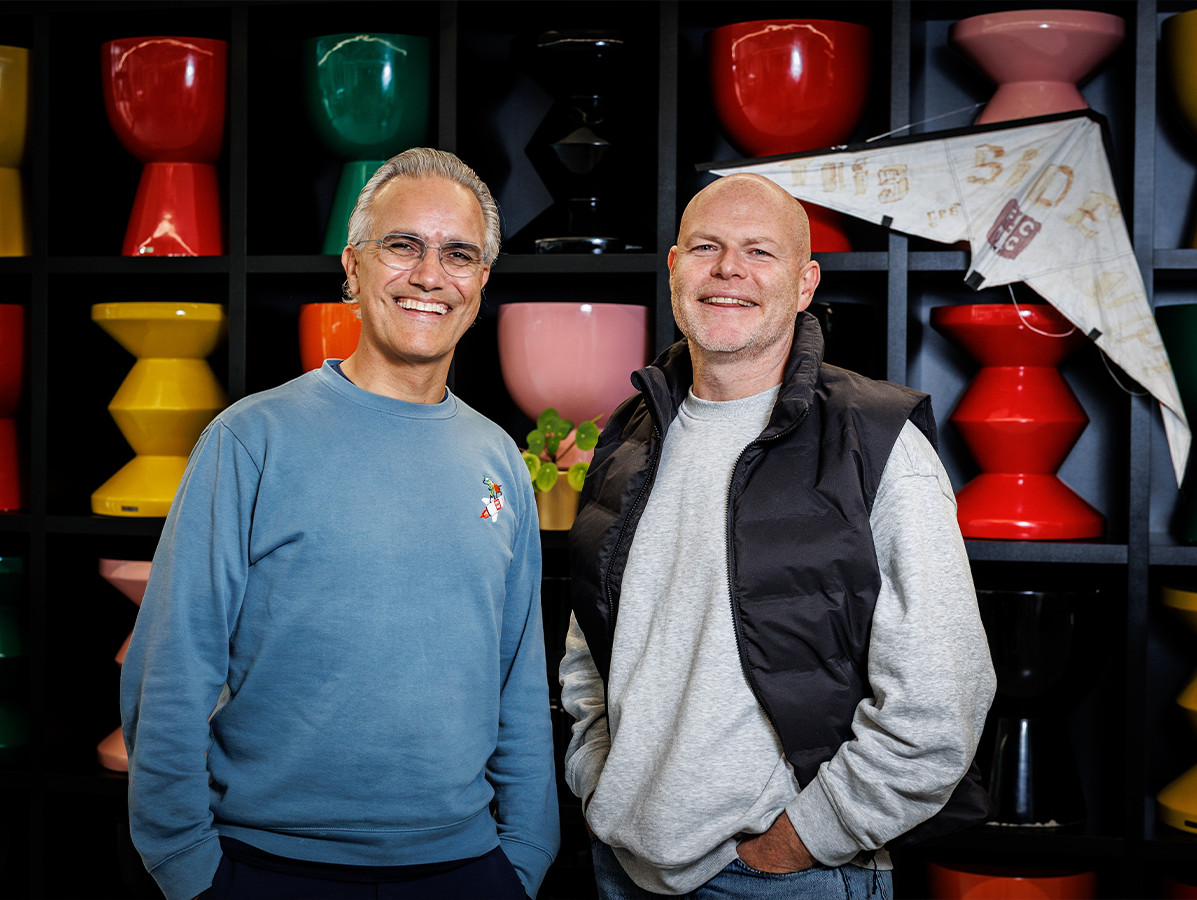
When a refrigeration system fails at an online supermarket, it is more than a technical problem. Products go to waste, and customers do not receive their groceries. That is why Picnic and RBK Group aim to prevent breakdowns as well as resolve them. Their collaboration has grown from technical consultancy into a strategic partnership.
When building a fulfillment center, much of the technical work can be outsourced. Picnic deliberately takes a different approach: understanding what happens in its operations and retaining control. That also applies to refrigeration and freezer systems, says Raymond Cohen, Infrastructure Lead at Picnic. The collaboration with RBK began around six years ago, during the design of the highly mechanized fulfillment center in Utrecht. Automation, multiple temperature zones, and large cold rooms and freezer rooms made the technical setup complex. RBK was brought in to provide refrigeration engineering advice but became a long-term partner. “We initially brought in RBK as a refrigeration consultant,” says Raymond. “Their employees now work within Picnic’s systems, communicate via Slack, and work with the team every week. They have truly become part of it.”
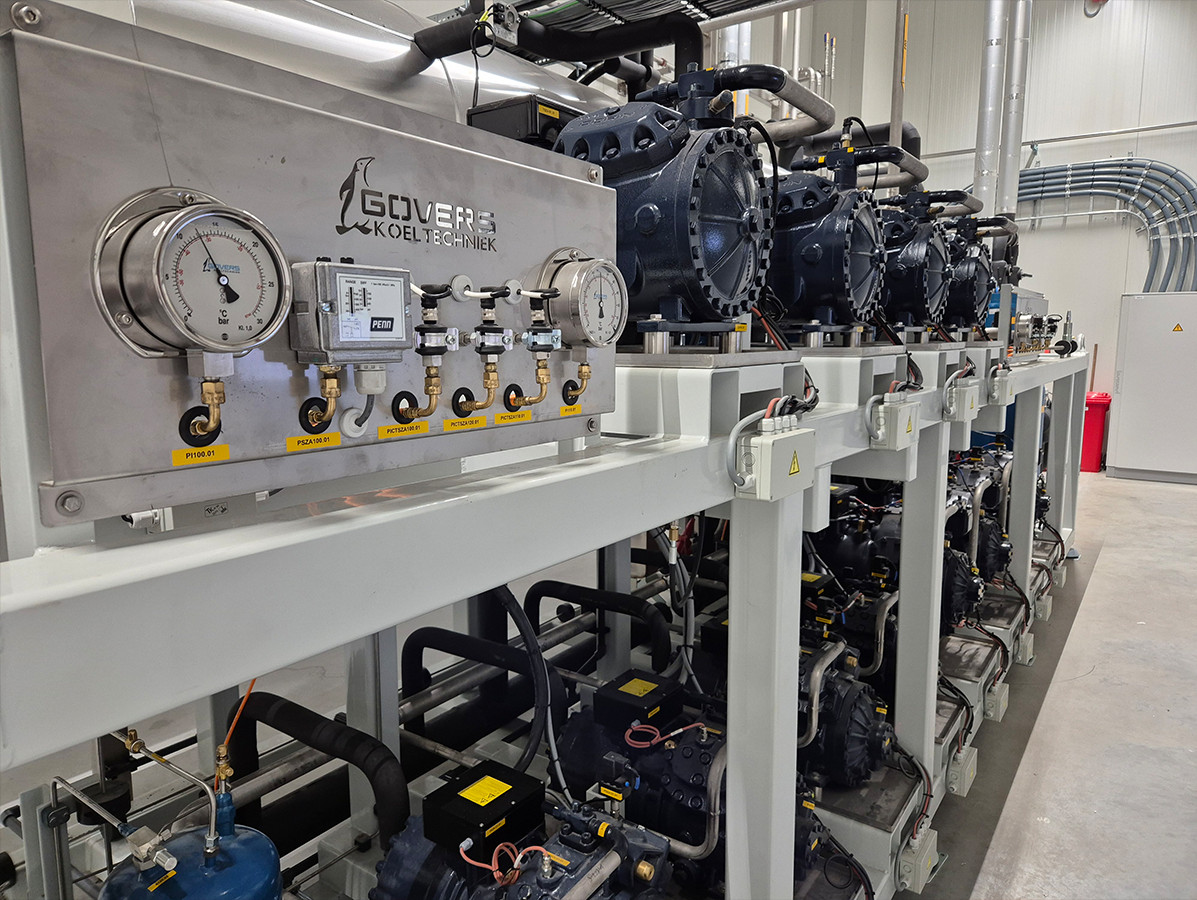
Refrigeration system at Picnic with intelligent load balancing by FOPRO® (photo ©RBK)
Traditionally, installers would travel to a site when a fault occurred. For Picnic, that was too late: a refrigeration problem can have immediate consequences for the customer. FOPRO, RBK’s software system for intelligent load balancing, allows refrigeration systems to be monitored and controlled remotely. It provides visibility into both temperatures and compressor behavior. Theo Vliek, sales director and owner of RBK, describes FOPRO as part of a broader development: alongside building design and refrigeration engineering, system controls are also being standardized. This ensures that knowledge is retained and reused in new fulfillment centers. According to Raymond, the number of on-site callouts has fallen by around 80 percent. “The customer and their delivery are sacred.”
Picnic now stores data from its refrigeration systems in its own data warehouse. This shifts the focus from reacting to predicting: what does normal operation look like, when does a system deviate from it, and when is maintenance needed? This brings the collaboration into a broader discussion.
Energy is becoming more expensive, staff harder to find, and processes more complex. Patrick Beekman, business development manager at RBK, sees data as a way to build on existing knowledge and improve processes. “Data is key. Data is the new gold,” he says. According to Patrick, generic AI is not enough: the value lies in production-floor data combined with process expertise. Energy is another concrete area of application. According to Raymond, refrigeration accounts for a significant share of energy consumption in a mechanized fulfillment center. “By matching refrigeration capacity to actual demand and limiting the number of compressor starts and stops, the FOPRO system delivers annual energy savings of around 35% for us.”
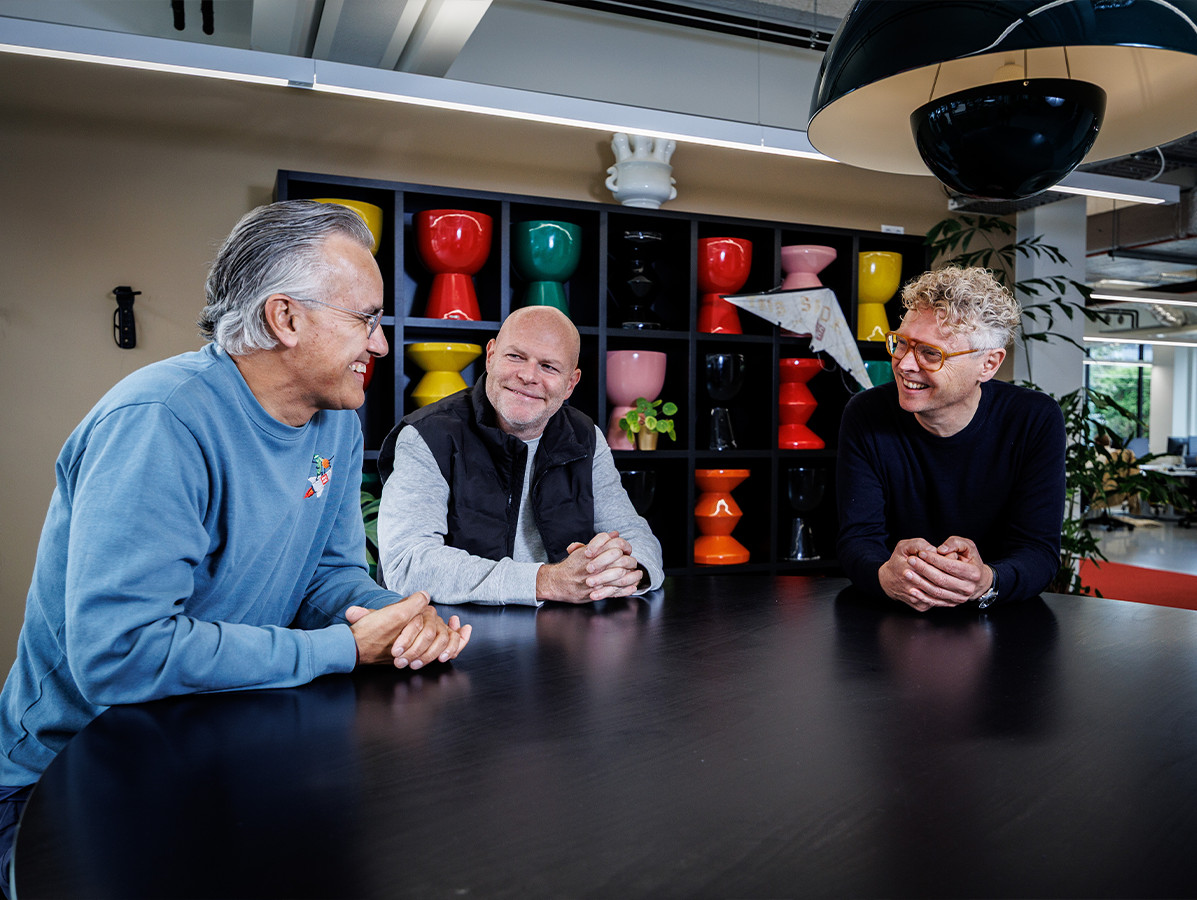
Raymond Cohen, Patrick Beekman and Roderick Mirande
This development is reflected in Picnic’s new fulfillment centers, including Oberhausen and Ridderkerk. Knowledge from earlier sites is translated into standards and building blocks. This standardization allows the approach to be applied across Picnic’s international network in the Netherlands, Germany, and France. Patrick sees design, construction, operation, and maintenance becoming increasingly predictable: “A digital replica of a building can be used to simulate how a new site should function before the first foundation pile is driven.” As fulfillment centers expand across borders, so do the knowledge and technology developed through this Dutch partnership. For Raymond, this means continually measuring, learning, and applying those lessons at both new and existing sites. Technical and operational expertise need to come together. That is why Picnic sees the collaboration as more than a traditional customer-supplier relationship. Patrick: “Partners need to treat each other as colleagues, with a shared sense of urgency to keep improving.”
The most striking outcome is a way of working that brings technology, data, and professional expertise closer together, rather than a new refrigeration technology. “And,” Raymond emphasizes, “we also have a whole lot of fun together.”
RBK Food Innovation Summit 2026
On October 29, Picnic will host the RBK Food Innovation Summit 2026. Together with Picnic, ING, and various companies from the food industry, RBK will address trends affecting the sector. RBK wants to inspire the industry to look beyond current practices and demonstrate which improvements can strengthen business performance.
Although Raymond Cohen rarely speaks at summits, he is happy to make an exception for RBK. He wants to give something back to a partner that proved its worth when extreme heat put Picnic’s refrigeration systems to the test. He calls RBK “a representative of the Dutch food industry.”
www.rbk.nl/food-innovation-summit
Photos: ©Diederik van der Laan
Source: Vakblad Voedingsindustrie 2026
Magazine Voedingsindustrie has been made possible in part by:



© COPYRIGHT 2026 VOEDINGSINDUSTRIE | ALLE RECHTEN VOORBEHOUDEN
Powered by Wallbrink Crossmedia © 2026