“How do we make sure we have enough people to keep doing the work in the food industry well in the future?” Technology seems to be the answer to this frequently asked question. And it’s true: AI, robots, and smart data systems have become integral to our industry. But smart factories aren’t just about technology. They start with people.
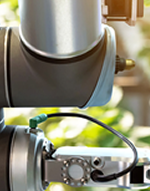
A contradiction? I don’t think so. Many successful innovations aren’t primarily aimed at replacing employees at all, but at supporting their work and improving processes. Robots take over physically demanding or repetitive tasks. Smart cameras help with quality checks, and data makes processes more predictable. We’re seeing this development across the food industry. In bakeries, automated systems help package and sort products. In the dairy sector, sensors and real-time process data detect potential deviations sooner. In fruit and vegetable processing, machine vision can help assess quality, and these kinds of applications are increasingly being used in the meat sector too.
The same principle applies everywhere: technology helps us produce more efficiently, safely, and consistently. And we need that. New employees are hard to find, and demands around quality, sustainability, and customer expectations keep growing. Automation is therefore increasingly becoming a prerequisite for staying competitive. New systems also call for new skills. Expertise isn’t disappearing; it’s taking a different form. Operators are increasingly overseeing entire processes. Maintenance technicians work with data and analytics. That’s why I believe investing in people will remain very important in the future.
Of course we need technology to stay competitive. But it’s the people who make the difference every day. They spot opportunities for improvement, solve unexpected problems, and turn a commitment to quality into practice. To me, the smartest factory is therefore not the one with the most technology, but the one where employees have the freedom to use that technology to bring out the best in themselves and their work.
Producing food remains a human endeavor.
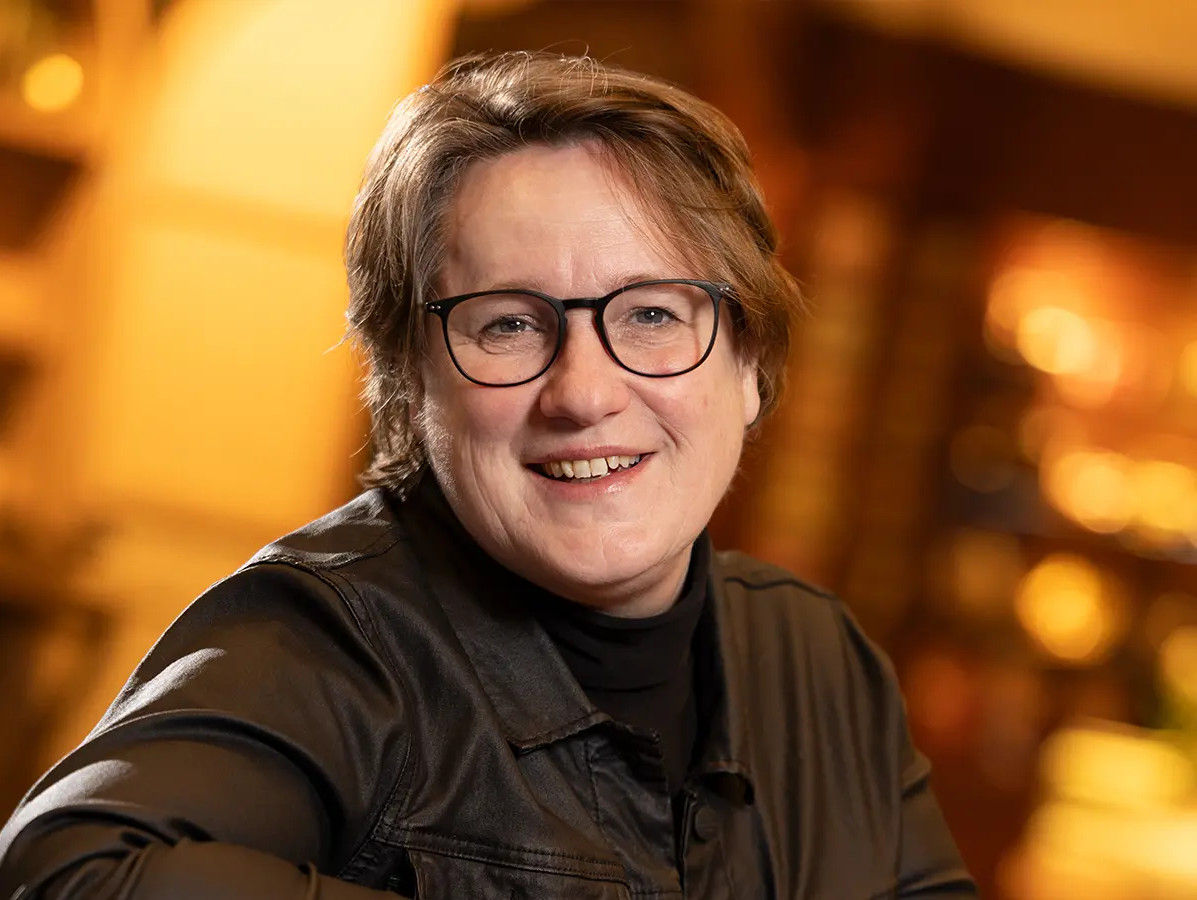
Manon Houben
Chair, VleesNL
Source: Vakblad Voedingsindustrie 2026
Magazine Voedingsindustrie has been made possible in part by:



© COPYRIGHT 2026 VOEDINGSINDUSTRIE | ALLE RECHTEN VOORBEHOUDEN
Powered by Wallbrink Crossmedia © 2026