Food safety is not just a noble ambition or a box to tick on a checklist. It is the core business of the meat sector — and of the agri-food sector as a whole. Every single day, thousands of people across the supply chain work toward one goal: delivering products that are safe, consistently high in quality, and fully reliable. Customers and consumers must be able to rely on that completely. Without hesitation, without reservations.
Responsibility is especially significant in the meat sector. Meat is a premium product, but also a vulnerable one. That requires craftsmanship, strict protocols, and constant attention to hygiene, process control, and monitoring. Within meat companies and the processed meat industry, quality managers play a key role in this. Every day, they work to safeguard standards, improve processes, and identify risks at an early stage.
That responsibility does not stop at the company’s front door. Within VleesNL and the VNV, quality managers work closely together in committees and working groups. This is where agreements are made and knowledge is shared on processing, monitoring, and safeguarding quality and food safety. Not only among themselves, but also in close coordination with government authorities. Together, we ensure that legislation remains practical and workable while also providing the highest possible level of consumer protection.
Independent oversight is indispensable in this process. The role of the NVWA is essential in confirming and strengthening trust. Supervision, enforcement, and verification are what make the system robust and credible.
Against this backdrop, reports about potential food safety scandals always hit hard. Precisely because they strike at the very foundation of our work. Transparency, facts, and careful interpretation are crucial in those moments. Not to brush mistakes under the rug, but to show that food safety is far from an empty promise.
It is something that must be upheld every day — professionally and collectively.
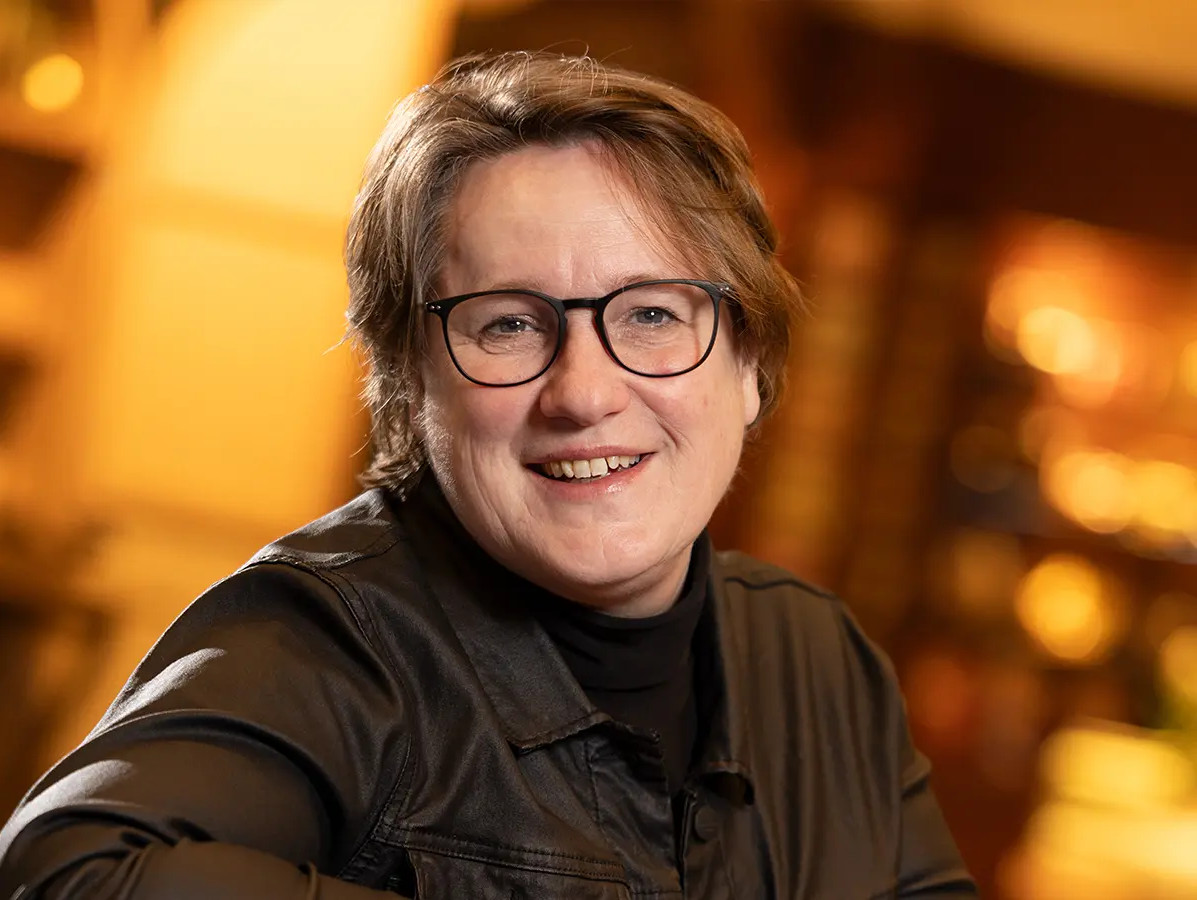
Manon Houben
Chair of VleesNL
Source: Vakblad Voedingsindustrie 2026
Magazine Voedingsindustrie has been made possible in part by:



© COPYRIGHT 2026 VOEDINGSINDUSTRIE | ALLE RECHTEN VOORBEHOUDEN
Powered by Wallbrink Crossmedia © 2026