
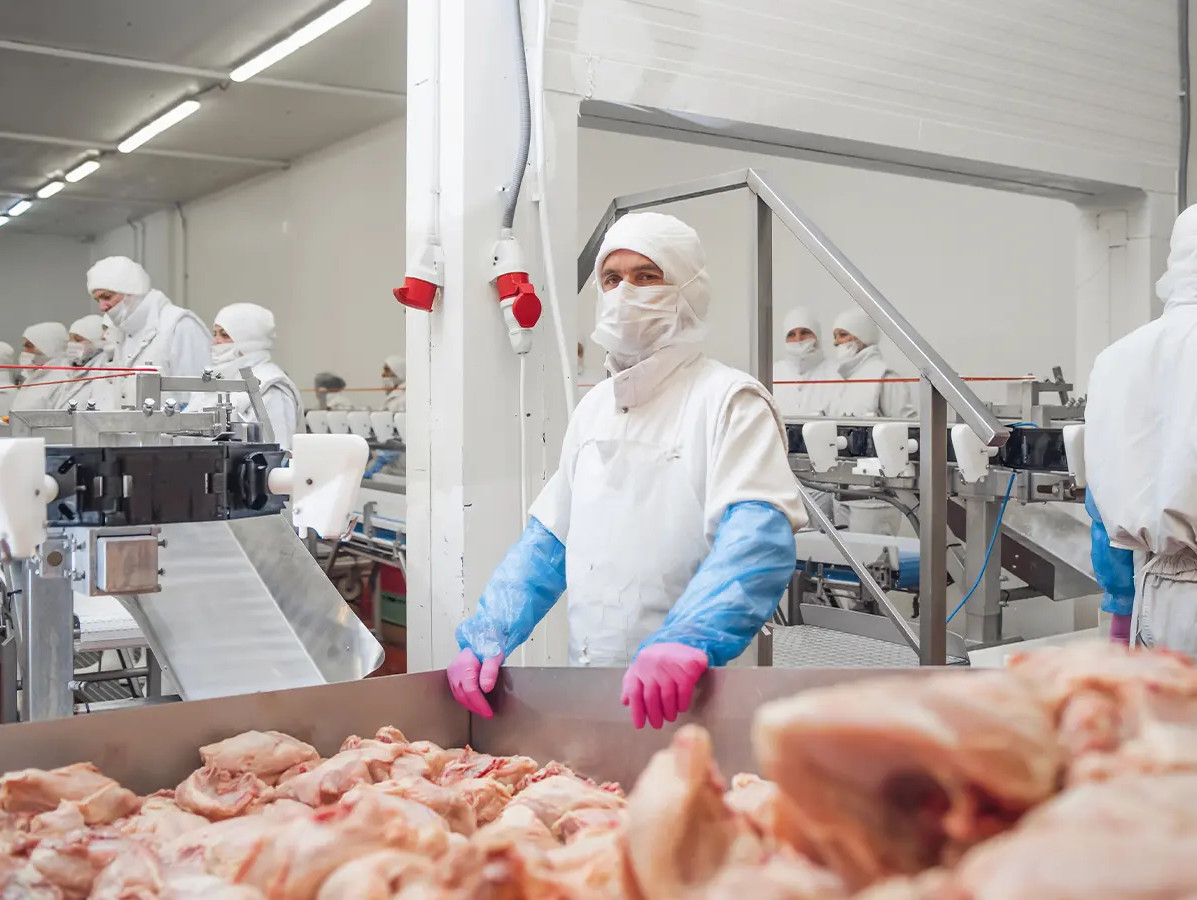
The proposed temporary employee ban could have major consequences for the meat supply chain. According to VleesNL (MeatNL), it would affect more than 1,000 mostly smaller companies. The industry association wants to combat abuses but opposes an industry-wide ban. It advocates strict oversight of companies that violate the rules.
VleesNL responded to the public consultation on the proposed temporary staffing ban. The association supports stronger protections for migrant workers and fair employment conditions. It believes abuses and exploitation must be addressed decisively.
VleesNL considers a ban covering the entire meat supply chain disproportionate. The measure does not distinguish between compliant companies and offenders. Moreover, the association says the problems have not been shown to be widespread.
VleesNL refers to reports previously shared by Fairwork. Around 90 percent could be attributed to only a few companies. According to VleesNL, not every report was confirmed as an abuse.
The Wet toelating terbeschikkingstelling van arbeidskrachten takes effect on January 1, 2027. This law imposes stricter requirements on temporary employment agencies. VleesNL wants the government to make full use of this instrument. The Netherlands Labour Authority should also conduct targeted inspections and enforcement.
According to VleesNL, the meat industry has already taken action. More than 55 percent of all employees work directly for meat companies. By 2028, this share must reach at least 65 percent. VleesNL members undergo independent social audits. These audits also assess employee housing.
VleesNL also advocates company-specific bans on supplying and using temporary workers. The association wants greater transparency regarding wage payments, deductions, and working conditions.
If the ban proceeds, VleesNL wants several exemptions. The association believes the measure should apply only to production roles. Quality assurance, logistics, and technical services should be exempt. The same should apply to IT, transportation, cleaning, security, and office roles.
The proposal exempts companies with fewer than 20 employees. VleesNL wants this threshold raised to 50 employees. It also wants the measure evaluated after two years. Under the current proposal, the evaluation would take place after four years.
Source: VleesNL
Magazine Voedingsindustrie has been made possible in part by:



© COPYRIGHT 2026 VOEDINGSINDUSTRIE | ALLE RECHTEN VOORBEHOUDEN
Powered by Wallbrink Crossmedia © 2026





