
Reducing food waste requires more than good intentions. It calls for scalable technology, collaboration across the supply chain, and the courage to invest. OneThird demonstrates how a clear innovation strategy, backed by smart use of financial resources, leads to measurable impact.
Food waste is a structural issue within the food industry. Globally, around one third of all food produced is lost. Fresh products account for roughly 40% of that waste, resulting in high costs and nearly 10% of global CO₂ emissions. As a result, more and more companies are looking for ways to reduce waste structurally, without compromising on quality or returns.
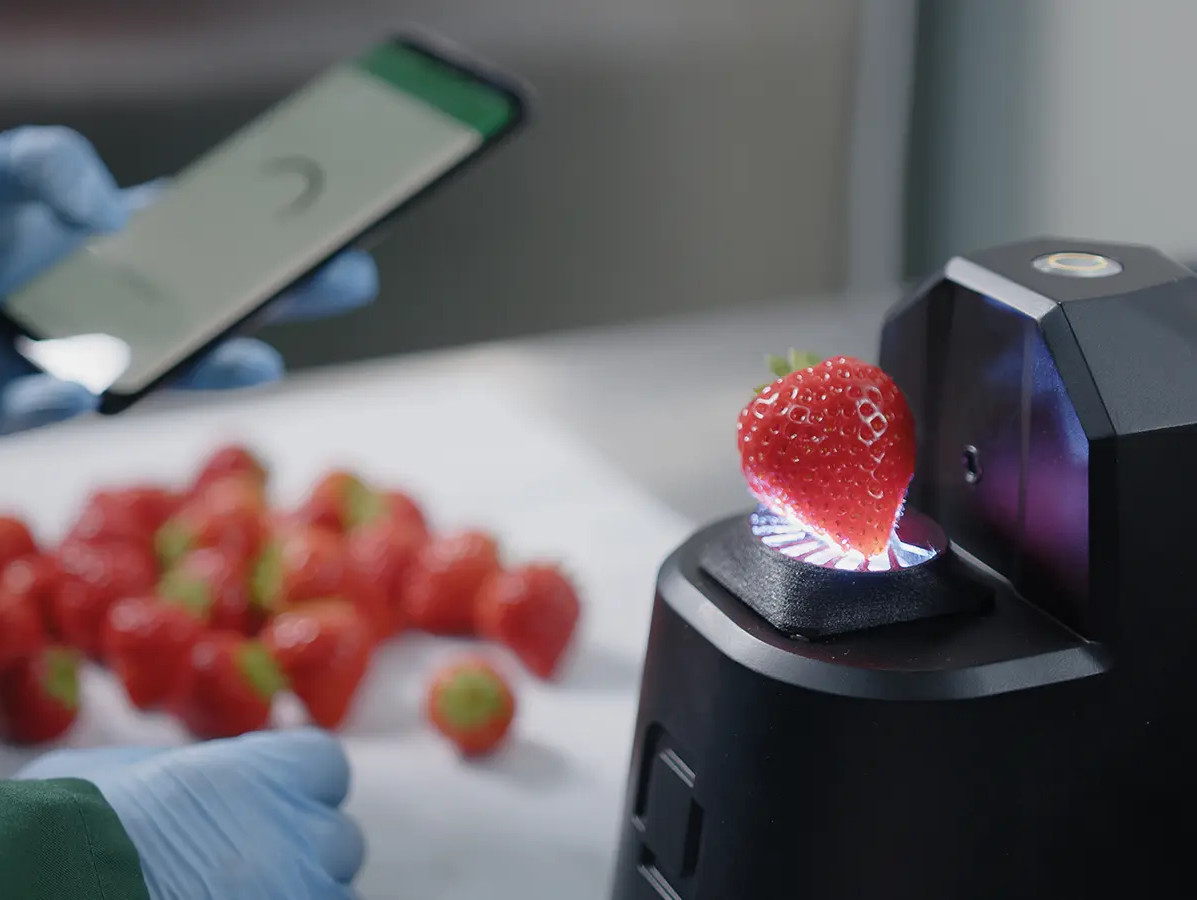
OneThird is a Food Tech start-up that develops technology to combat global food waste. They do so through data-driven quality predictions for fresh produce. The combination of NIR scanners, a proprietary software platform and AI models provides real-time insight into the quality and shelf life of fresh produce. That insight forms the basis for better logistical decisions. It contributes to a structural reduction of food waste and more efficient supply chain design.
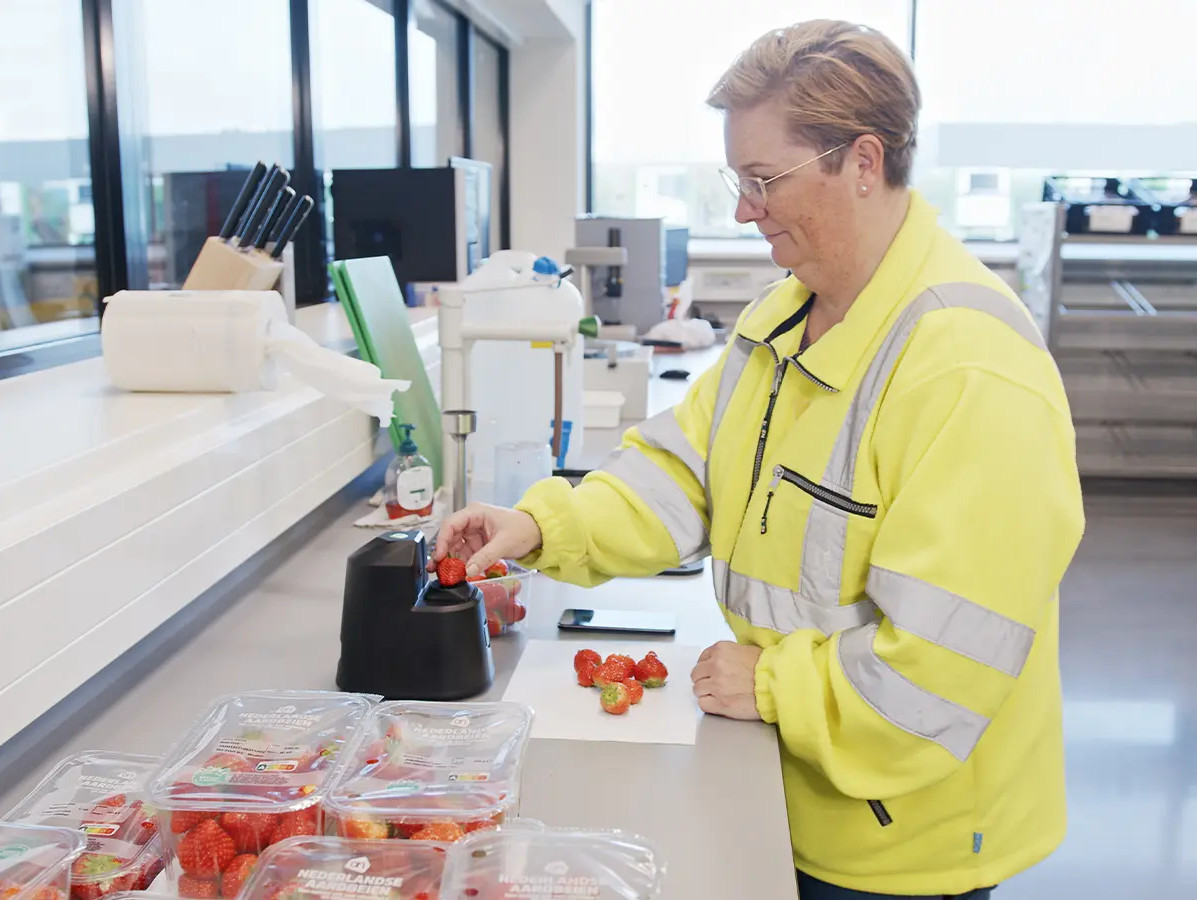
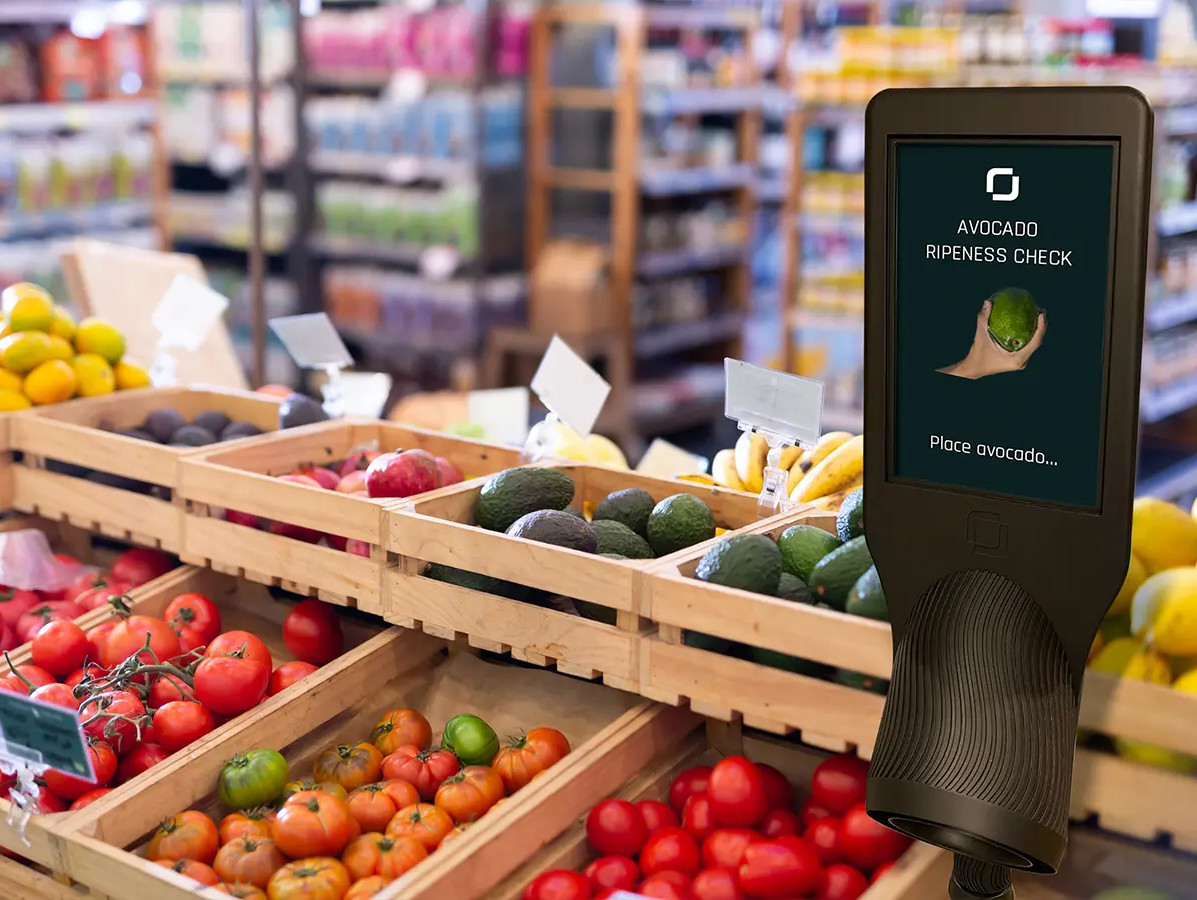
To develop an innovative scanner, several pilot projects were launched with growers and major retailers in the Netherlands. The central question was whether objective quality data would lead to less waste and better logistics. It quickly became clear that, thanks to improved insight into product shelf life, companies were able to optimise their planning and genuinely reduce food losses, with savings of up to 25%. Today, more than 330 scanners are in use worldwide at retailers, processors and growers. These scanners objectively measure standard parameters such as dry matter, sugar content, firmness and defects. They also predict more complex quality aspects, including ripeness and shelf life. Where destructive testing or visual assessments were previously required, or quality loss only became apparent after waste had already occurred, OneThird now provides real-time data before products are unnecessarily rejected or removed from shelves too early. “Previously, you had to cut open an avocado and put it in an oven to measure dry matter,” says Henrike Langbroek, Chief Executive Officer of OneThird. “Our scanner delivers a reliable value immediately, without sacrificing the fruit. We see savings not only in kilos of product, but also in time.” Smarter allocation and better alignment between supply chain partners structurally reduce waste.
The journey from prototype to market-ready solution is rarely linear, especially in technological innovation. During the development of its technology, the OneThird team faced a wide range of challenges, from hardware development to data quality.
Henrike describes the development process as a continuous learning curve, in which speed and adaptability are essential. A key principle in this approach is an integrated view of innovation. By developing hardware, software and AI simultaneously, the different components can be optimally aligned. That requires a clear roadmap and sufficient room to keep learning and adjusting.
During the development of the scanners, OneThird made use of various innovation-focused subsidy schemes, including the WBSO (Research and Development Tax Credit), the MIT R&D scheme and the Innovation Credit. These instruments made it possible to invest in a targeted way in research, development and technical breakthroughs. When applying for these subsidies, the company worked together with subsidy advisory firm Subvention. Subvention supported the selection of suitable schemes, the preparation of applications and the substantiation of the technical plans. This helped reduce risk and create financial flexibility for a well-considered development approach. Joost van Tongeren, subsidy advisor at Subvention, explains: “With OneThird, we looked from the outset at how subsidy opportunities could align with the technical development. By maintaining that line, the focus remained firmly on further development.”
While the early years were mainly about building and learning, the technology now proves itself in practice on a daily basis. Customers integrate the scanners and data into their systems and use the insights directly for operational decisions. The counter of saved kilos of food has been running since last year. With supply chain-wide adoption, where multiple links share data and work with the same standards, savings of up to 30% are possible. According to Henrike, successful innovation in the food industry starts with sharp customer insight. Those who know where the greatest value lies can invest more effectively. Subsidies can act as an accelerator in that process, not as an end in themselves, but as a strategic instrument to speed up development and keep risks manageable.
Source: Vakblad Voedingsindustrie 2026
Magazine Voedingsindustrie has been made possible in part by:



© COPYRIGHT 2026 VOEDINGSINDUSTRIE | ALLE RECHTEN VOORBEHOUDEN
Powered by Wallbrink Crossmedia © 2026