Consumers want fresh food without preservatives. Yet that very trend increases the risk of listeriosis. Thanks to LoopiX, the new pathogen detection technology from Christeyns, Norwegian Seafood B.V. now stays ahead of Listeria contamination, even with short delivery times to Germany and the United States.
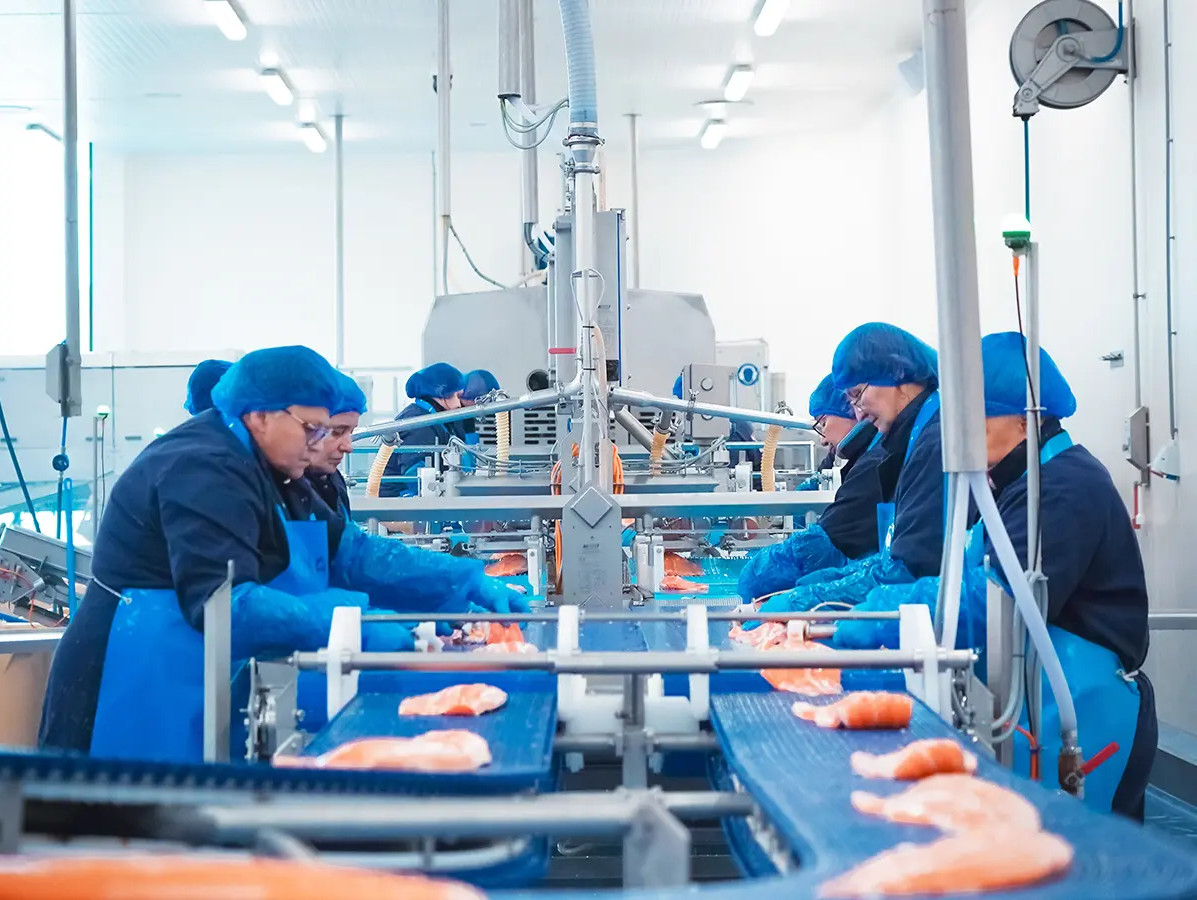
Norwegian Seafood in Urk processes salmon and whitefish into high-quality fresh products. Production runs at full capacity, but food safety remains an unwavering priority. Listeria control therefore came up as one of the first topics during the conversation with Christeyns representative Fedor Oude Lenferink. “The main concern was the long analysis time compared to our delivery schedules,” says Jan Brouwer, Quality Assurance Manager at Norwegian Seafood. Delivery times for fresh products leave little room for extensive pathogen detection, especially for fresh fish: “Customers in Germany receive their orders within one day, and shipments to the United States arrive within two to three days. Any delay in quality control is one too many.”
Listeriosis is caused by one type of Listeria, Listeria monocytogenes, and it’s becoming increasingly common in Europe and the United Kingdom. This is driven by the growing consumer demand for fresh, ready-to-eat meals without salt, sugar, or artificial preservatives. That creates an ideal breeding ground for pathogens and poses a challenge for safe food production. While Salmonella remains the better-known culprit, listeriosis is more often fatal: the likelihood of dying from it is nearly 900 times higher. “Salt, acid, sugar, and preservatives naturally inhibit bacterial growth,” explains Peter Littleton, Food Safety Specialist at Christeyns. “Now that these barriers are disappearing, the risk rises. Listeria is common, and although it is a relatively weak microorganism, it adapts quickly. A Listeria strain can develop into a persistent factory flora and multiply at refrigeration temperatures of 2 to 8°C.” For producers of chilled fresh foods, rapid detection is essential. Traditional laboratory testing, however, often takes 48 to 72 hours. Peter adds: “If contamination occurred on the line, kilos of product will have been produced—and possibly even consumed—during the time the lab is working on the sample. That creates enormous risks and costs a fortune.”
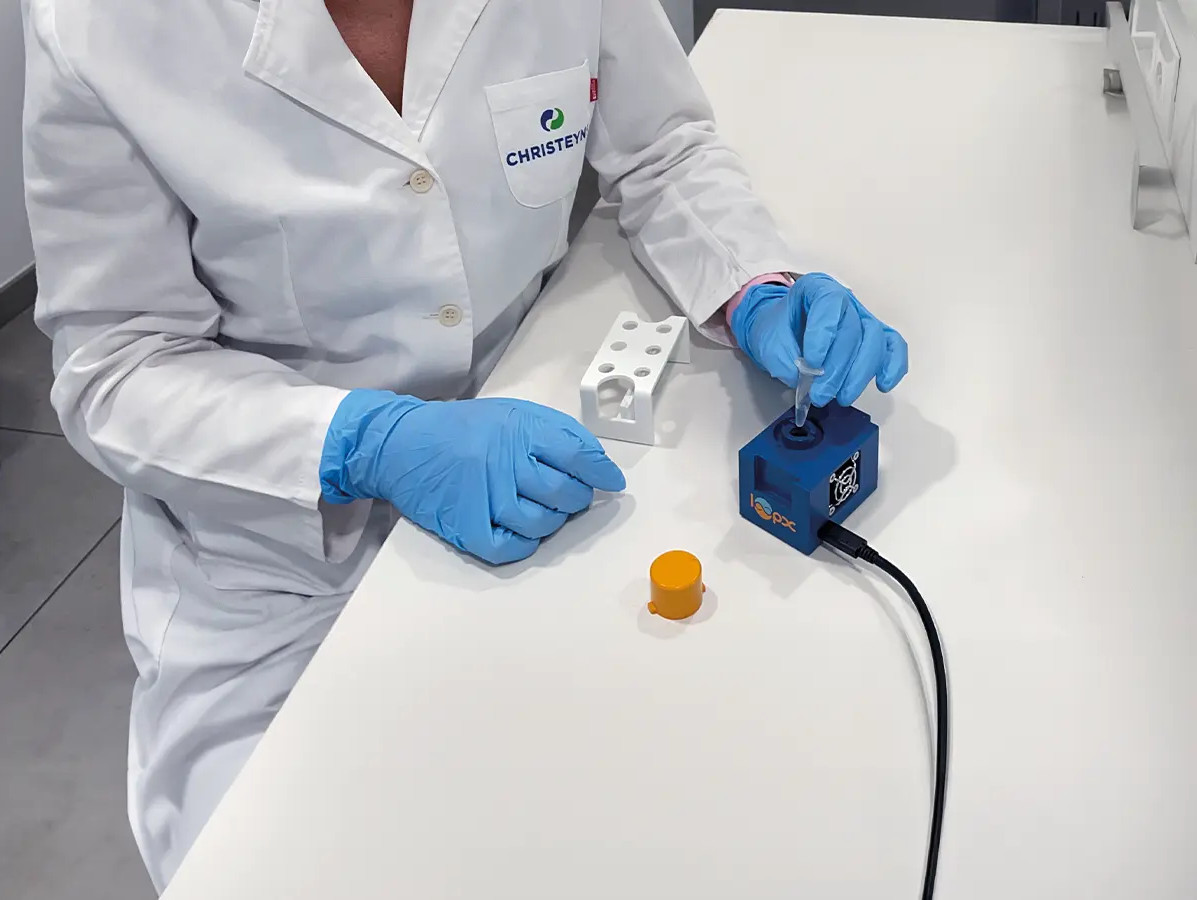
Norwegian Seafood decided to test Christeyns’ latest innovation: LoopiX, a testing method that reveals within 90 minutes whether Listeria bacteria are present on surfaces in the production environment. “When Fedor from Christeyns introduced the technology, we thought: this sounds too good to be true,” says Jan. “But after a short testing period, we were convinced. We saw the same results as the lab, only much faster.” With LoopiX, testing takes place every production day, from Monday to Friday: during production, after cleaning, and before the start of a new shift. The results appear in the LoopiX app, showing where and when Listeria has been detected. “We can then respond and act immediately and accurately,” Jan explains. “It’s very user-friendly. The device used to analyze the samples is compact and easy to handle, and the workflow is straightforward for operators. Once it’s set up, I hardly need to touch it again.” Saving a solid 48 hours makes the difference between prevention and reaction. “We can schedule an extra cleaning immediately or investigate the cause. The results so far confirm that we have a strong cleaning plan in place and that we keep Listeria well under control.”

Peter Littleton
LoopiX combines an innovative RNA analysis technique with a portable spectrophotometer. The detection method consists of three tests: first, a test that determines whether the sample contains live bacteria. The other two tests analyze the genetic material in the sample. The first shows whether Listeria DNA is present. If that result is positive, a more specific test can determine whether the pathogen Listeria monocytogenes is present.
The LoopiX tests at Norwegian Seafood have helped further optimize the technology in a specific production environment. Protein-rich contamination requires a specific enzymatic cleaning approach.
After the successful testing phase, Norwegian Seafood has now signed a one-year contract for LoopiX, including the equipment, calibration, and user instructions. Jan says: “With this agreement, we’re strengthening our Listeria prevention in a cost-efficient way.”
“With LoopiX, we want to help companies shift from reactive to predictive food safety,” Peter concludes. “LoopiX not only tests for Listeria but also for other pathogens such as Salmonella spp and Escherichia coli. It’s not only about detection but about understanding where risks emerge and staying ahead of them. As Christeyns, we also help customers regain control of hygiene with our cleaning solutions.”
www.norwegianseafood.com
www.christeyns.com/nl
Main photo: ©Richard Oost
Source: Vakblad Voedingsindustrie 2025
Magazine Voedingsindustrie has been made possible in part by:



© COPYRIGHT 2026 VOEDINGSINDUSTRIE | ALLE RECHTEN VOORBEHOUDEN
Powered by Wallbrink Crossmedia © 2026