As Team Leader Customer Care at Nutrilab, I see every day how essential proper cleaning and disinfection are — not only in production, but also in our laboratory. It may sound obvious, but the same principle applies here: using more cleaning agents does not automatically lead to better results. Quite the opposite. The most effective hygiene is achieved through efficient use of resources paired with a structured approach.
In our laboratory, we work with analyses that can detect even traces of allergens. A contaminated surface or instrument could easily affect a sample, leading to incorrect results. Control is therefore crucial. In the lab, we carry out random checks, carryover tests and visual inspections to verify that the cleaning has been effective. Only then can we guarantee that our analyses are reliable. This mirrors the production environment: only when the outcome is measurably and demonstrably clean is the step towards a safe final product truly justified.
A well-structured cleaning and disinfection process in the laboratory is far from ‘a hassle’; it brings several advantages. It reduces the risk of cross-contamination between samples, shortens waiting times and increases the reliability of the results. For laboratories working with allergens or other sensitive substances, this is especially important; it prevents unnecessary warnings or incorrect outcomes.
At Nutrilab, we therefore encourage finding that crucial balance: achieving an optimal result with fewer agents, better methods and reliable control. This approach allows us to safeguard maximum safety and reliability with minimal burden on people, instruments and the environment.
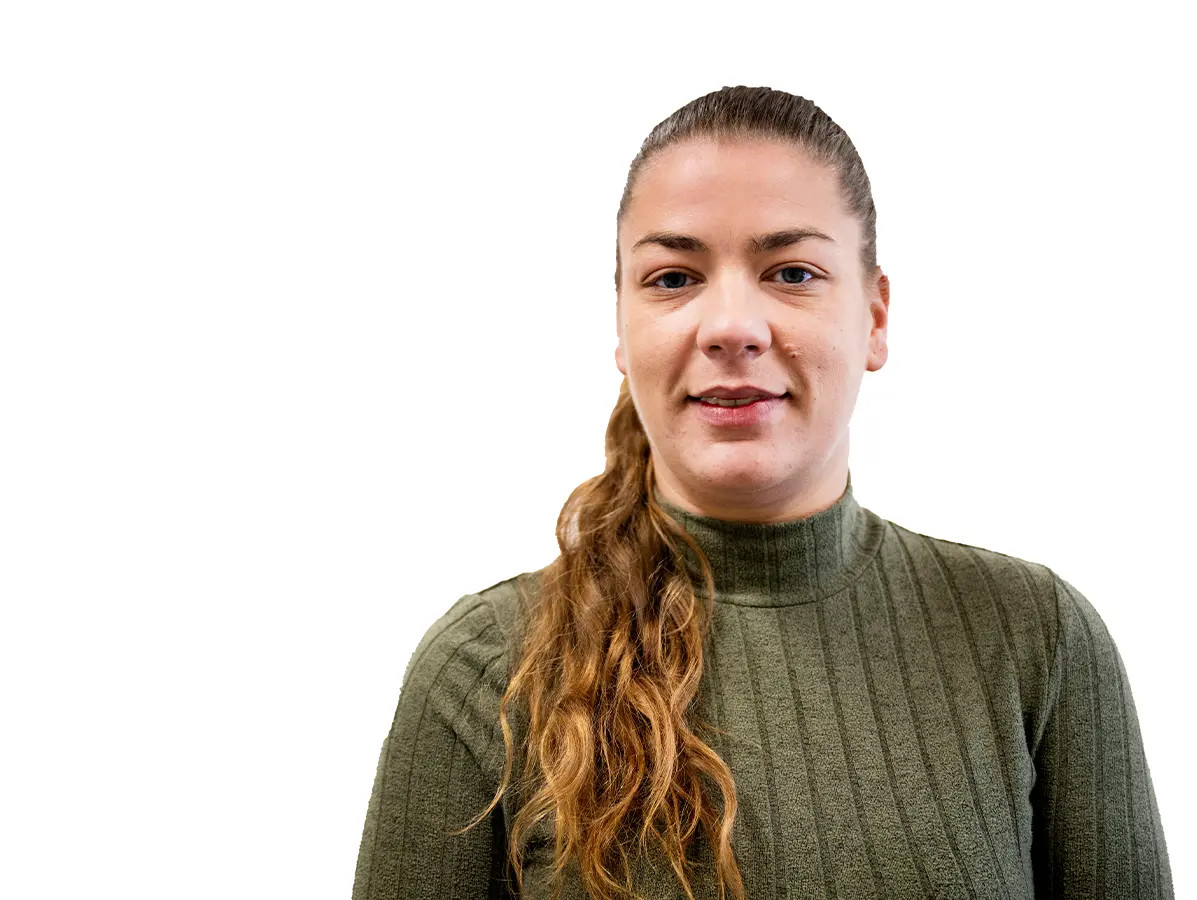
Michelle Meuffels
Team Leader Customer Care at Nutrilab
Source: Vakblad Voedingsindustrie 2025
Magazine Voedingsindustrie has been made possible in part by:



© COPYRIGHT 2026 VOEDINGSINDUSTRIE | ALLE RECHTEN VOORBEHOUDEN
Powered by Wallbrink Crossmedia © 2026