November provided a clear picture of the themes shaping the food industry. Questions about blood plasma in meat, stricter hygiene requirements, and recurring practical issues drew significant attention. The societal costs of food, new Listeria detection methods, and regional collaborations also made an impact. In addition, water usage, sustainable solutions, and investments in hygiene were high on the agenda. It was a month filled with diverse topics that continue to occupy the sector. These were the most-read articles of November 2025.
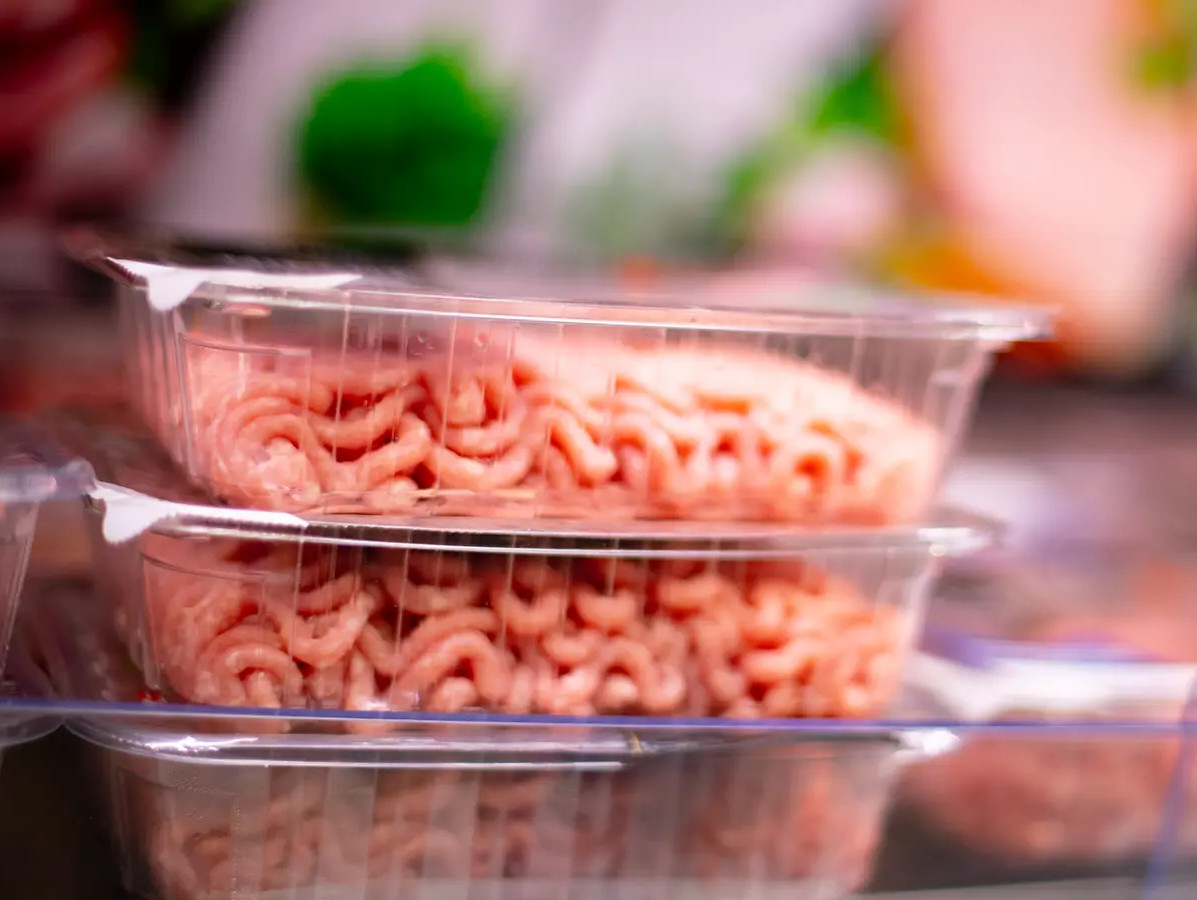
25 November | An episode of the Keuringsdienst van Waarde caught many viewers off guard. Supermarket meat appears to contain blood plasma more often than expected. The label then lists it as “animal protein.” Legally, that is correct, but for many consumers it feels different. And that is where the tension lies: the ingredients are neatly stated, yet the information still falls short.
24 November | Requirements for hygiene in the food industry are becoming stricter year after year. At the same time, companies are under pressure to save water and energy, reduce environmentally harmful substances, and cope with labor shortages. As a result, cleaning and disinfection have become strategic themes. Three experts share their view on the future of cleanliness.
24 November | Microorganisms continue to cause widespread spoilage, while QA managers try to maintain control with protocols and protective clothing. Yet persistent hygiene issues remain: toilets without a washbasin, air dryers that leave residue, and places like mobile phones, door handles, and pallet trucks that often fall outside the cleaning program. IJsbrand Velzeboer shows how these blind spots keep resurfacing.
11 November | Food has become considerably more expensive in recent years. Yet the price at the checkout still doesn’t reflect what our food truly costs. According to Deloitte’s report The Hidden Bill, the social and environmental damage caused by Dutch agriculture amounts to roughly €5.3 billion each year. That figure exceeds the economic value the sector itself creates.
24 November | Consumers want fresh food without preservatives. Yet that very trend increases the risk of listeriosis. Thanks to LoopiX, the new pathogen detection technology from Christeyns, Norwegian Seafood B.V. now stays ahead of Listeria contamination, even with short delivery times to Germany and the United States.
20 November | Sixteen major food companies in the Zaanstreek are taking a new approach. They have joined forces under the name Zaan Food Makers, together with their nine international R&D centres. During the launch, alderman Stephanie Onclin stood alongside them — quite literally — to underline the collaboration with the municipality.
24 November | When two companies work well together and trust each other, something entirely new can emerge. That is exactly what happened in Urk. The request from Urker Zalmhuys for a specific water filter was taken up by Jansen Techniek. Together, they developed it into a new, hygienic and sustainable product that is now in use at several other companies as well.
24 November | After 25 years, the floor of the filling department in Zwanenberg Food Group’s soup factory was due for replacement. In close cooperation with DRT Flooring Group, the schedule was carefully aligned to avoid unnecessary production downtime. The result: a modern floor that improves hygiene and working comfort.
13 November | Food waste. We all know it’s a problem, yet the scale remains staggering. Every year, more than a billion tonnes of food are lost worldwide — accounting for 8 to 10 percent of total CO₂ emissions. That’s why ten countries have joined forces in the Food Pact Network, led by the UK-based organisation WRAP. The Netherlands is part of this effort — and stands out among the participants.
04 November | The Netherlands and water — they seem inseparable. Yet concerns are growing about a structural water shortage, especially in the southern and eastern parts of the country. Demand for clean drinking water keeps rising, while groundwater sources are under increasing pressure. Companies in the food industry feel this directly. Without water, production stops — it’s as simple as that. Circular water use could offer relief, but the road toward it is still full of obstacles.
Source: Vakblad Voedingsindustrie 2025
Magazine Voedingsindustrie has been made possible in part by:


© COPYRIGHT 2026 VOEDINGSINDUSTRIE | ALLE RECHTEN VOORBEHOUDEN
Powered by Wallbrink Crossmedia © 2026