
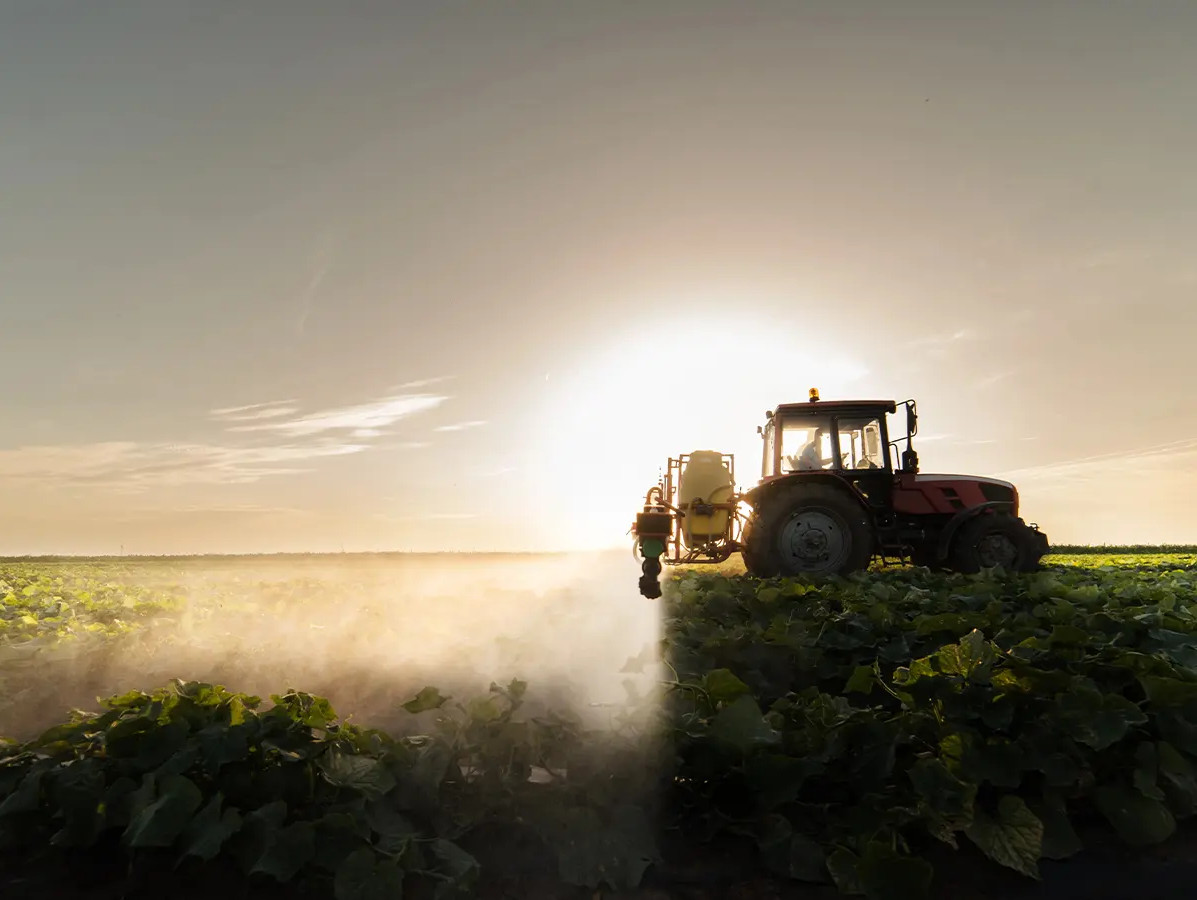
Food has become considerably more expensive in recent years. Yet the price at the checkout still doesn’t reflect what our food truly costs. According to Deloitte’s report The Hidden Bill, the social and environmental damage caused by Dutch agriculture amounts to roughly €5.3 billion each year. That figure exceeds the economic value the sector itself creates.
Deloitte compared the economic output of agriculture with its social costs to the environment and public health. Primary agricultural production generates about €13.3 billion in added value annually — equal to 1.4 percent of the Dutch GDP. Against that, however, stand substantial costs related to emissions and environmental damage.
The analysis found that the largest part of this damage stems from climate change (€7.9 billion per year) and air pollution from ammonia emissions (€5.9 billion). Water pollution from nitrogen adds another €1.3 billion, while biodiversity loss accounts for €2.5 billion annually. Pesticide use adds an additional €440 million in social costs each year.
Deloitte also highlights the consequences for public health. Unhealthy eating patterns increase the risk of diseases such as obesity and diabetes, driving up healthcare costs. Those costs may be invisible on a supermarket receipt but are very much part of what Deloitte calls the hidden bill.
Dutch agriculture produces 1.8 billion kilos of protein every year — 60 percent animal-based and 40 percent plant-based. In terms of energy production, the sector could feed the Dutch population more than two and a half times over. Even so, Deloitte’s calculations show that the social and environmental damage outweighs the economic gains.
The report concludes that greater transparency is needed to understand the true value of food. “As long as the hidden bill remains unpaid, cheap food will always be the most expensive in the end.”
Read the full report: ‘The Hidden Bill’
Source: Deloitte
Magazine Voedingsindustrie has been made possible in part by:



© COPYRIGHT 2026 VOEDINGSINDUSTRIE | ALLE RECHTEN VOORBEHOUDEN
Powered by Wallbrink Crossmedia © 2026