
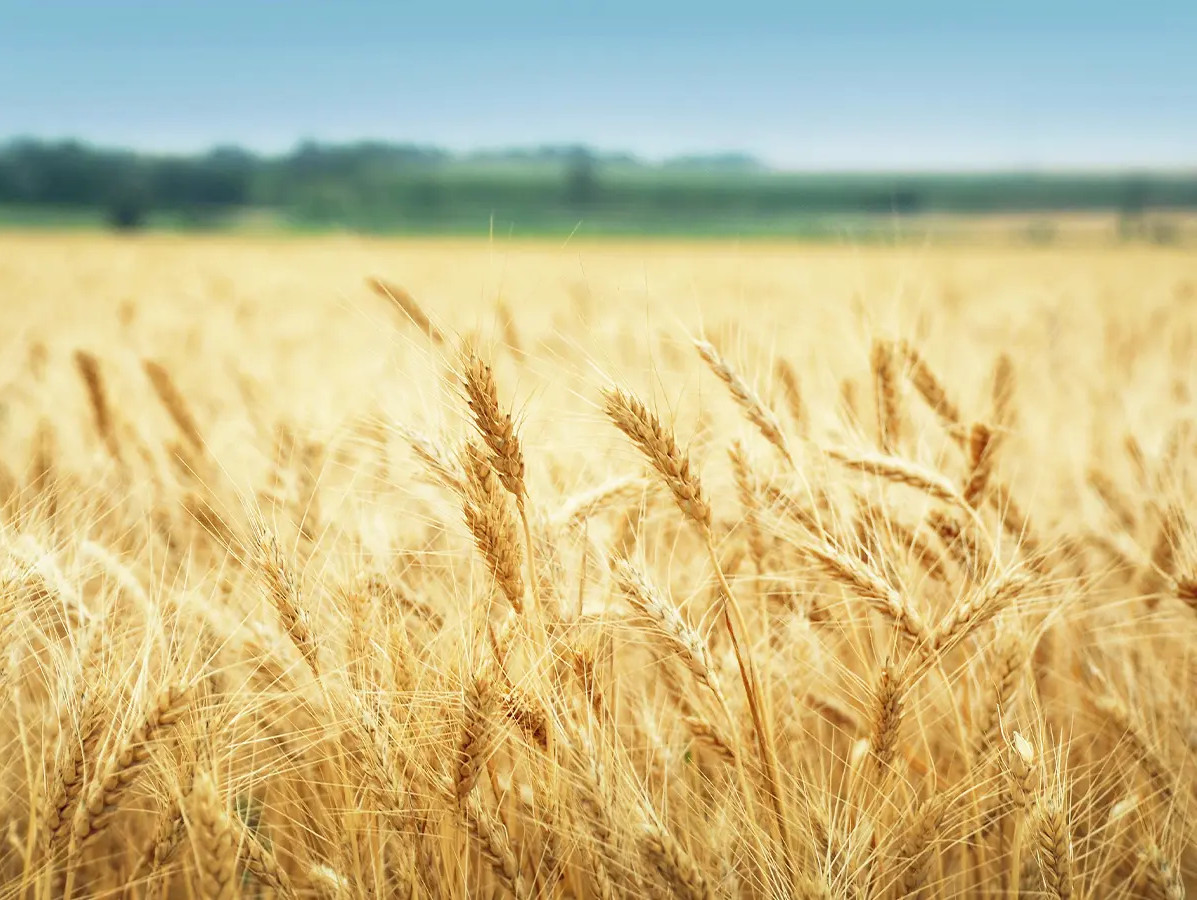
Global food prices remained largely stable in May 2026. However, the grain market continues to face pressure. That is according to new figures released by the Food and Agriculture Organization of the United Nations (FAO). Higher energy and fertilizer costs, combined with weather-related factors, pushed up prices for key cereal crops.
The FAO Food Price Index averaged 130.8 points in May. That was 0.2 percent lower than in April, but 2.9 percent higher than a year earlier. The slight decline was mainly driven by lower vegetable oil prices.
Grain prices, however, moved higher. The FAO Cereal Price Index increased by 2.6 percent compared to April and was nearly 5 percent higher than a year ago. According to FAO, rising fuel and fertilizer costs played an important role in that increase.
Global wheat prices rose by 3.4 percent. Expectations of smaller harvests in major exporting countries, including the United States, contributed to the increase. Maize prices climbed by 1.9 percent due to strong import demand, tighter supplies in Brazil and the United States, and higher energy prices.
“While global food commodity markets have remained resilient, rising cereal prices highlight how vulnerable the market remains to weather-related risks and disruptions in energy and commodity supply chains,” said Boubaker Ben-Belhassen, Director of FAO’s Markets and Trade Division.
According to FAO, ongoing uncertainty surrounding key trade routes, including the Strait of Hormuz, could affect fertilizer availability. This may place additional pressure on food prices.
For the 2026/27 season, FAO forecasts global cereal production at 2.982 billion tons. That is 2 percent lower than a year earlier. Wheat production is expected to account for most of the decline. International grain trade is also projected to decrease. After growing by 4.8 percent in 2025/26, global grain trade is expected to decline by 0.3 percent in the coming season to 507.2 million tons.
Source: FAO
Magazine Voedingsindustrie has been made possible in part by:



© COPYRIGHT 2026 VOEDINGSINDUSTRIE | ALLE RECHTEN VOORBEHOUDEN
Powered by Wallbrink Crossmedia © 2026