
Higher oil and gas prices could have a significant impact on the food supply chain in the coming years. According to RaboResearch, pressure on the energy market is expected to remain high for the foreseeable future due to the situation in the Middle East. This could lead to higher costs for producers and renewed discussions over pricing. At the same time, consumers are growing weary of inflation, while purchasing power is expected to decline next year.
There is plenty of discussion about reopening the Strait of Hormuz, but according to RaboResearch, very little shipping traffic is currently moving through the route. The bank expects it could take until September before the United States and Iran reach a lasting agreement to end the war.
Even if the shipping lane reopens sooner, it will still take weeks or months before sea mines are cleared and maritime traffic returns to normal schedules. In addition, an estimated 20% to 25% of refining capacity in the Gulf region has reportedly been damaged. As a result, repairs to oil refineries, LNG facilities, and port infrastructure could continue well into 2027. RaboResearch expects oil and gas prices to rise further and only begin to ease somewhat in 2028.
The impact of higher energy prices remains limited for now. Transport companies are already passing higher diesel costs on to customers. Packaging costs are also increasing. Inventories and long-term contracts are currently cushioning part of the impact.
If energy prices remain elevated for a longer period, that picture will change. Higher fertilizer prices will eventually feed through into the cost of agricultural raw materials. Supply contracts will also need to be renewed or extended at higher rates. According to RaboResearch, many producers will need to raise their selling prices by 5% to 10% by 2027 to offset rising costs.
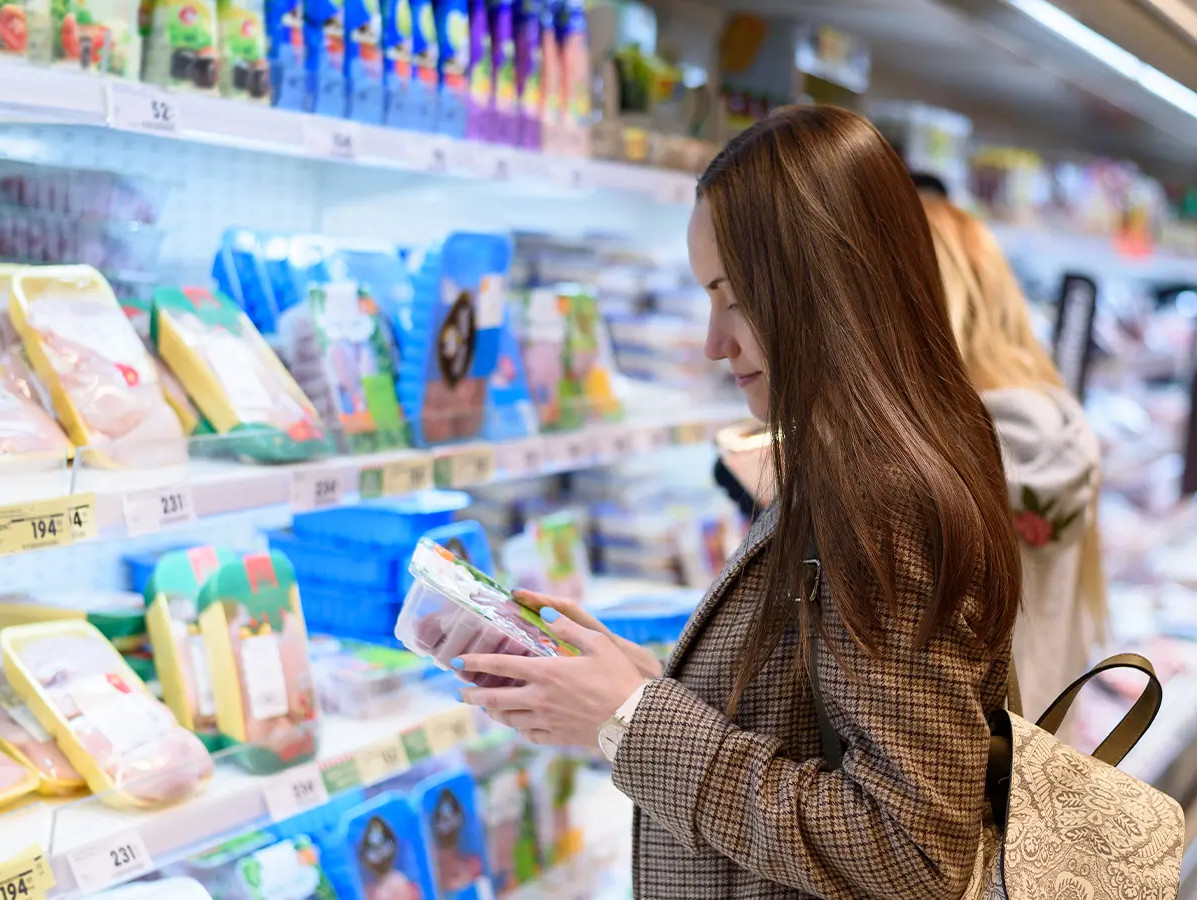
Food prices in the Netherlands are now, on average, 33% higher than they were at the beginning of 2021. As a result, consumers are increasingly turning to promotions, private-label products, and lower-cost sales channels.
RaboResearch expects purchasing power to decline in 2027, while private consumption is forecast to edge down slightly. Under those conditions, manufacturers, retailers, and foodservice companies will face the challenge of finding the right balance between price increases, sales volumes, and margins.
Source: Rabobank
Magazine Voedingsindustrie has been made possible in part by:



© COPYRIGHT 2026 VOEDINGSINDUSTRIE | ALLE RECHTEN VOORBEHOUDEN
Powered by Wallbrink Crossmedia © 2026