
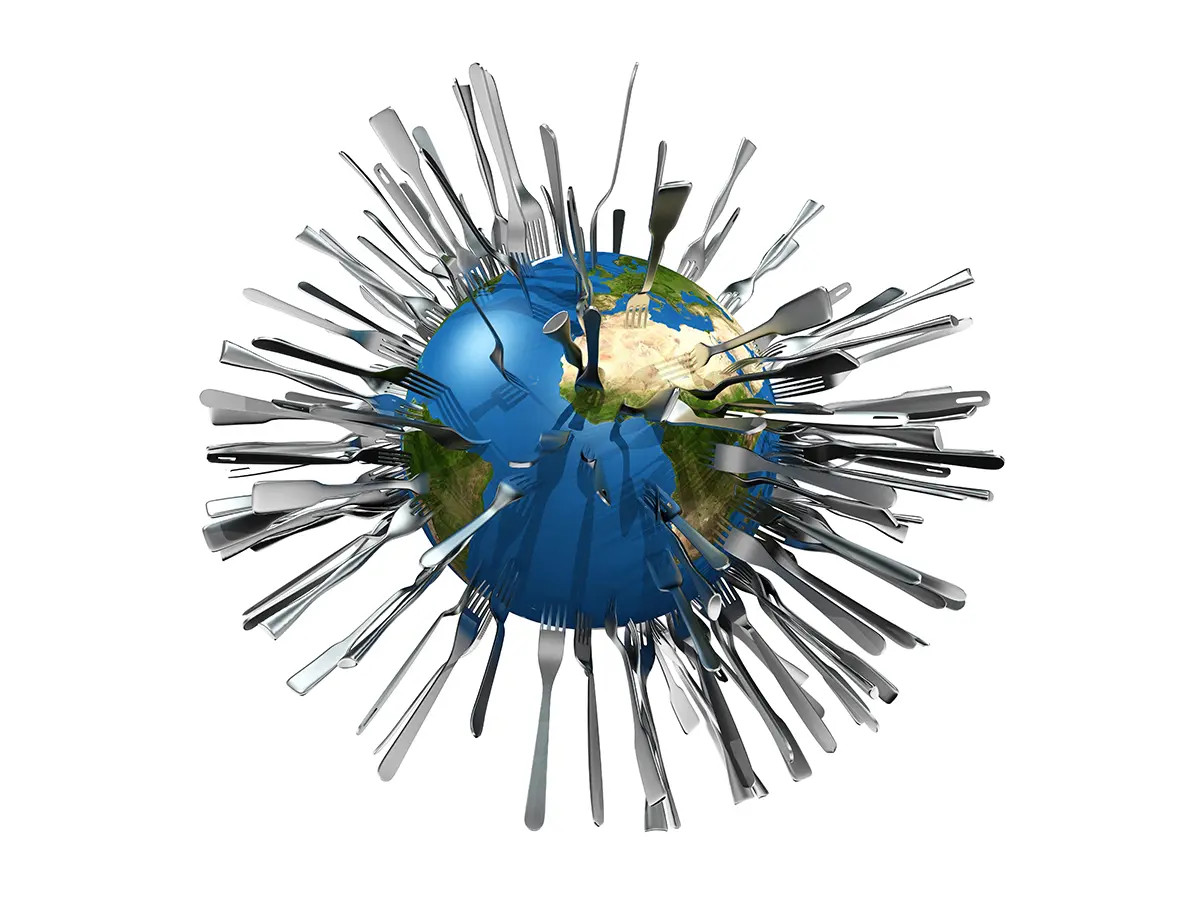
The war in Iran is once again putting global trade under pressure. Oil prices are rising, and fertilizer is becoming more expensive. Food prices are following suit. For the third time in six years, food producers are being forced to adapt. Three experts share how the food processing industry can maintain its commercial strength in this volatile world.
The world was already unstable, but the war in Iran marks a new turning point. Iran has blocked the Strait of Hormuz, preventing one-fifth of the world’s oil and liquefied natural gas (LNG) from being traded. In addition, 20 to 30% of global fertilizer production takes place in countries along the Strait and is now no longer reaching the market. The consequences are quickly rippling through the food chain: higher diesel prices, more expensive fertilizer, and rising transportation costs. Following the coronavirus pandemic and the war in Ukraine, this is the third major shock in a short period of time. “We’ve become used to ten, twenty, even thirty years of relative predictability,” says Dr. Bart de Steenhuijsen Piters, senior researcher in food systems at Wageningen University. “You could fill out an Excel sheet at Rabobank and secure a loan because everyone assumed the situation would remain stable throughout the term. Those days are over.”
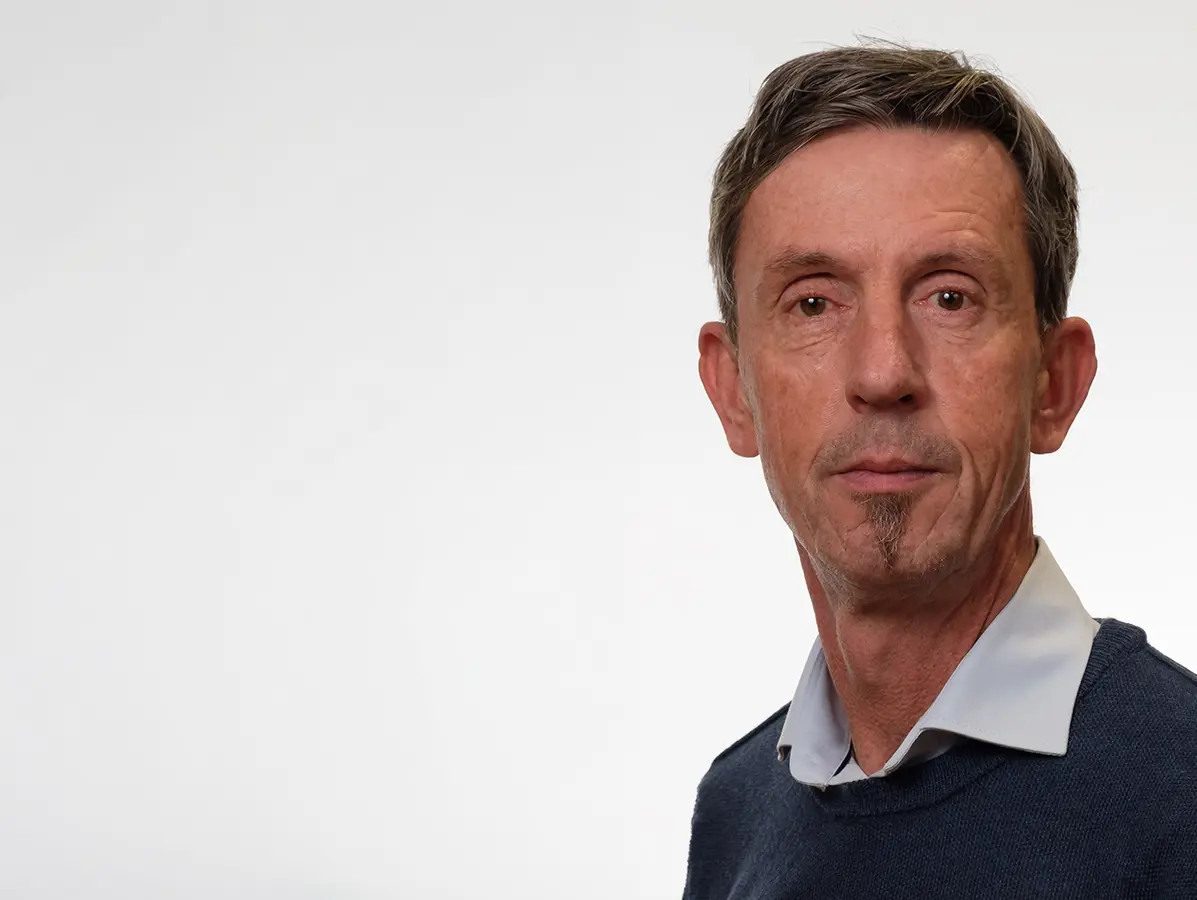
Bart de Steenhuijsen Piters
Still, no two disruptions are the same, which makes anticipation difficult. “The war in Ukraine had a much greater impact on gas prices at the time than this crisis is currently having on oil prices,” says Peter van Rossem, Head of Procurement at Verstegen Spices & Sauces. “Since Europe has reorganized its energy market, gas prices are no longer spiking as dramatically.” The difference in impact means some sectors are hit much harder than others.
Marco Balhuizen, partner and head of the Food & Agri sector team at Nysingh attorneys and civil-law notaries, adds: “In between, there was also a container ship blocking the Suez Canal. That had a fundamentally different impact on the food industry than disruptions in the oil trade.”
In other words, every crisis comes with its own logic and consequences. Anyone who thinks they are prepared based on the previous crisis may be completely blindsided by the next one. Peter recognizes this from day-to-day procurement practice. “During the coronavirus pandemic, we expected shortages very quickly, but harvests in India turned out to be excellent. That led to higher transportation costs, but not immediately to more expensive raw materials. We only noticed that a season later. As a result of rising costs earlier in the chain, farmers planted less.” The delay occurs somewhere within the supply chain. The shock comes… but not always where and when people expect it.
The current crisis is hitting intensive livestock farming in the Netherlands particularly hard. “That sector imports large volumes of low-cost animal feed and exports relatively inexpensive meat,” Bart explains. “Transportation costs are soaring, while fertilizer is becoming more expensive or even unaffordable. In the coming period, feed from Brazil, the United States, and other major producers will therefore become more expensive. And countries that were once reliable suppliers, such as the United States, have proven to be less dependable trading partners.” For African farmers, the consequences are even more immediate. “They have two options: pay for expensive fertilizer or simply stop using it. More often, they choose the latter. That leads to local food shortages, potentially resulting in domestic unrest.”
The packaging industry will also feel the strain, as oil is the raw material for plastic. Marco: “And that comes after a year in which virgin plastic from the U.S. and China became so cheap that recycling was no longer economically viable. Switching back to more recycled material probably won’t happen overnight, but it could still pay off if oil prices remain high for a longer period.”
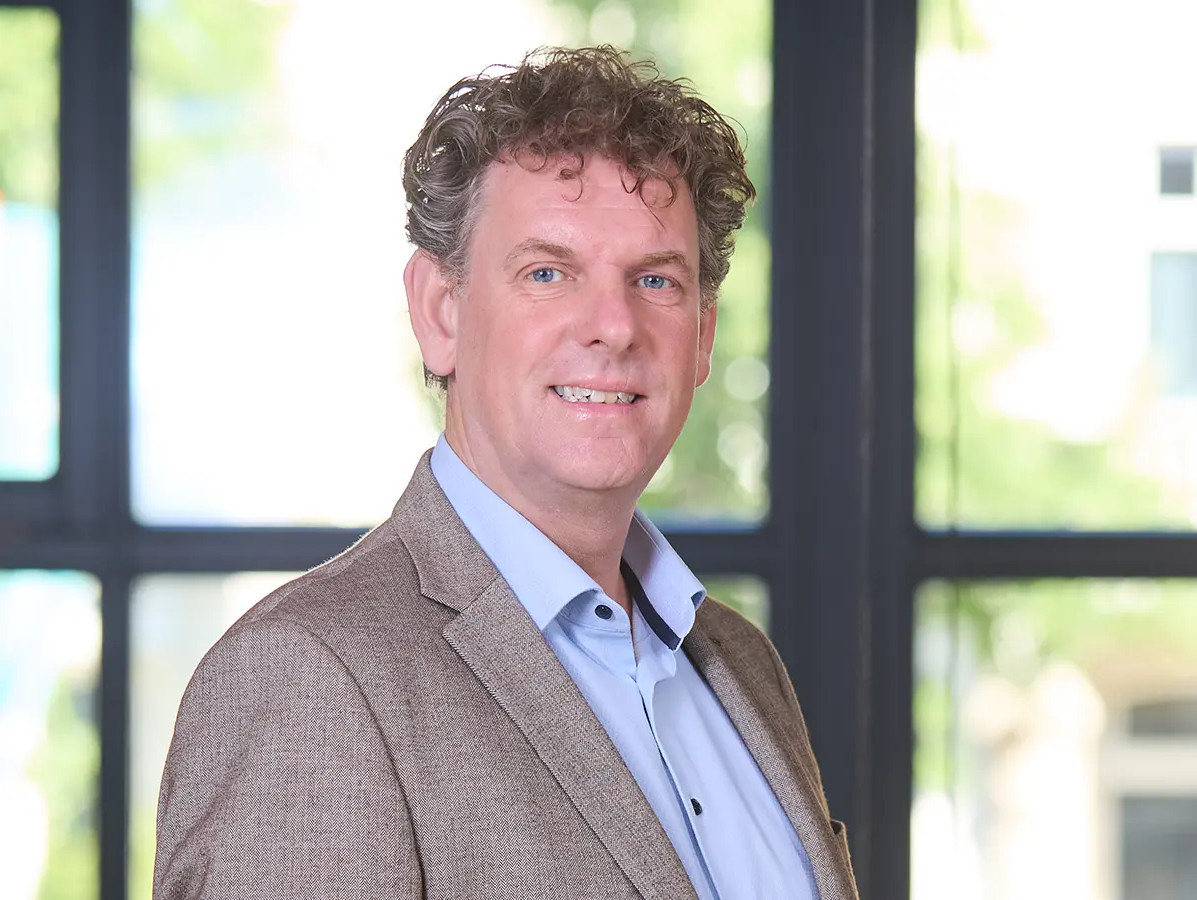
Marco Balhuizen
So how can food producers actually prepare themselves? Bart developed a framework based on research into resilient systems, drawing not only from the food industry, but also from nature and the human body. He calls it ‘the ABCD of resilience.’ “The A stands for agency: you are not a victim of the situation, you are able to act. B stands for buffering: the system has reserves to absorb shocks. C stands for connectivity: you can communicate with other systems for support. And D stands for diversity: there is not just one solution; there are multiple pathways.”
Peter and Marco immediately recognize those four principles in their own daily practice. Following the coronavirus pandemic, Verstegen drastically changed its inventory management. “We increased our stock from 50 tons to 100 tons,” Peter explains. “With our safety stock, we can now move forward for 50 to 52 weeks. Previously, we maintained around 30 weeks. During the pandemic, storage became extremely expensive because all companies were holding additional inventory at the same time. By now, higher storage volumes have become more normalized and pricing has stabilized.”
Marco emphasizes that resilience must also be embedded in contracts. “As lawyers, we advise clients to include a hardship clause, for example: a safety net for situations that could not reasonably have been foreseen in advance. During contract negotiations, the focus is often on securing the best possible price, but what happens if the agreed price no longer reflects current market and cost developments over time? It starts with buyers and sellers being aware of how to structure agreements in a way that mitigates risk.”
And if a contract already includes provisions for price adjustments, for example through indexation: which index are you actually using? “Unfortunately, we often see that little thought has gone into this, and people simply refer to a general index such as the CPI. But that applies to consumer prices. What exactly is your contract about? Is it the construction of a production facility or a shipment of raw materials? That determines how you structure appropriate indexation.”
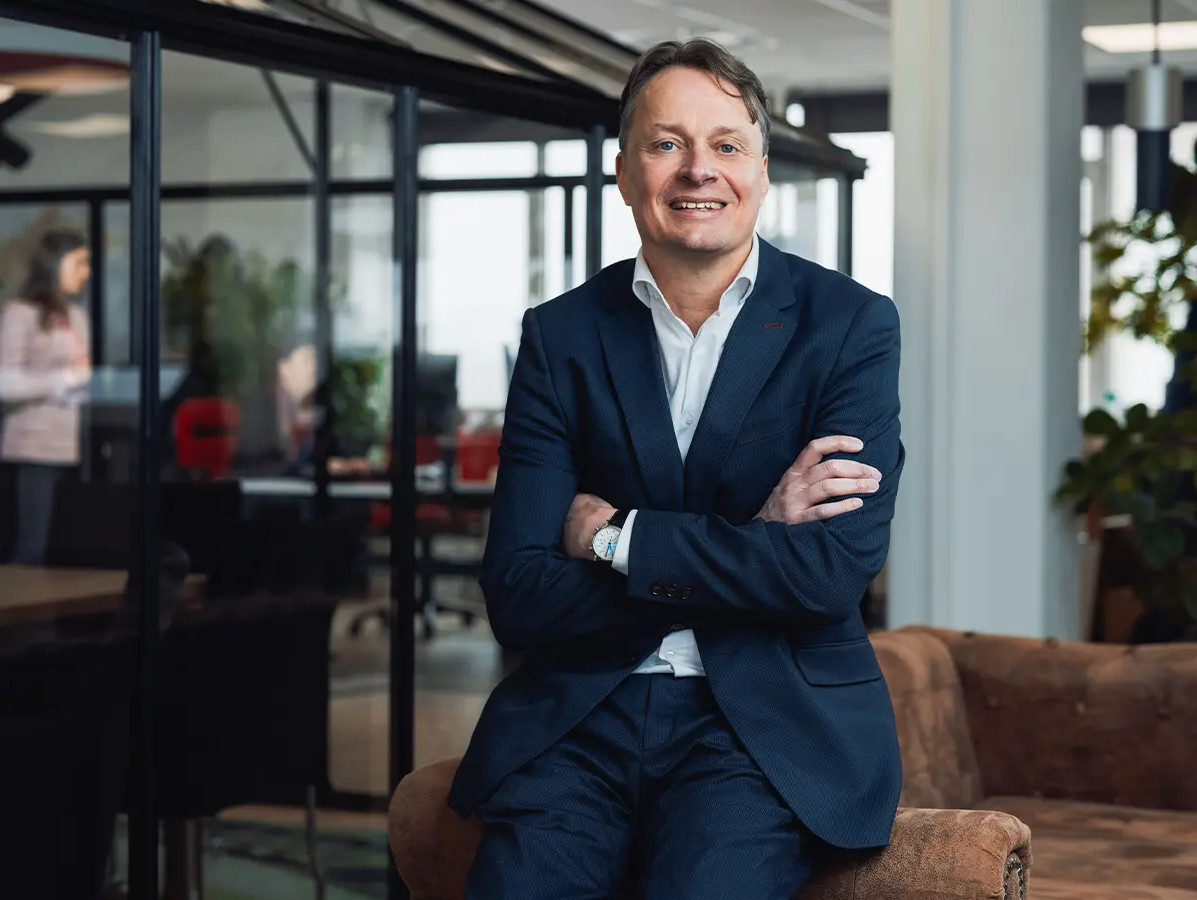
Peter van Rossem
A logical response to disrupted global trade might seem to be sourcing more locally. But that strategy also has its limits, Bart warns. “If you operate too locally, you become vulnerable to local climate-related issues. One disappointing harvest and you have no alternative sources. On top of that, local production is often more expensive.”
Peter recognizes this at Verstegen. “We are definitely keeping an eye on local initiatives to grow exotic herbs and spices. But those projects are still very small-scale. Our focus remains on working with multiple suppliers for strategic raw materials.” The key lies in maintaining a healthy balance. “A strong local supply chain combined with regional and global sources creates a more resilient system than fully relying on just one of the three,” Bart concludes.
Not every company can diversify equally easily, Marco says. “The animal feed sector has the ability to innovate and become active in other markets. Take the shift from solely producing animal feed to also serving aquaculture. A slaughterhouse, on the other hand, cannot do much beyond processing carcasses. We advise companies on how to spread risk, for example by broadening their activities from their current position. Or perhaps it is better for them to focus on niches instead — on finding premium sales channels.”
Peter, casually: “Unfortunately, most situations cannot really be anticipated. You just have to go with the flow.” Yet there is no sense of fatalism. All three experts agree that companies absolutely do have influence over their own resilience — provided they understand their vulnerabilities. “So map out where you are vulnerable,” Marco advises. “Not only within the supply chain and your own organization, but contractually as well. Only then can you make targeted adjustments.”
Bart concludes with a broader observation that underlines the urgency of the issue: “Our food system is actually very fragile, and the government has hardly any policies in place for major disruptions. What do we do if there is not enough animal feed available? Right now, there is no answer to that. A stable system is able to adapt, has buffers, remains connected to other systems, and can fall back on multiple solutions. That is the ultimate goal.”
In short: uncertainty is the new reality. Companies that accept this and respond to it systematically will retain their commercial strength — even when the next blow comes.
Source: Vakblad Voedingsindustrie 2026
Magazine Voedingsindustrie has been made possible in part by:



© COPYRIGHT 2026 VOEDINGSINDUSTRIE | ALLE RECHTEN VOORBEHOUDEN
Powered by Wallbrink Crossmedia © 2026