
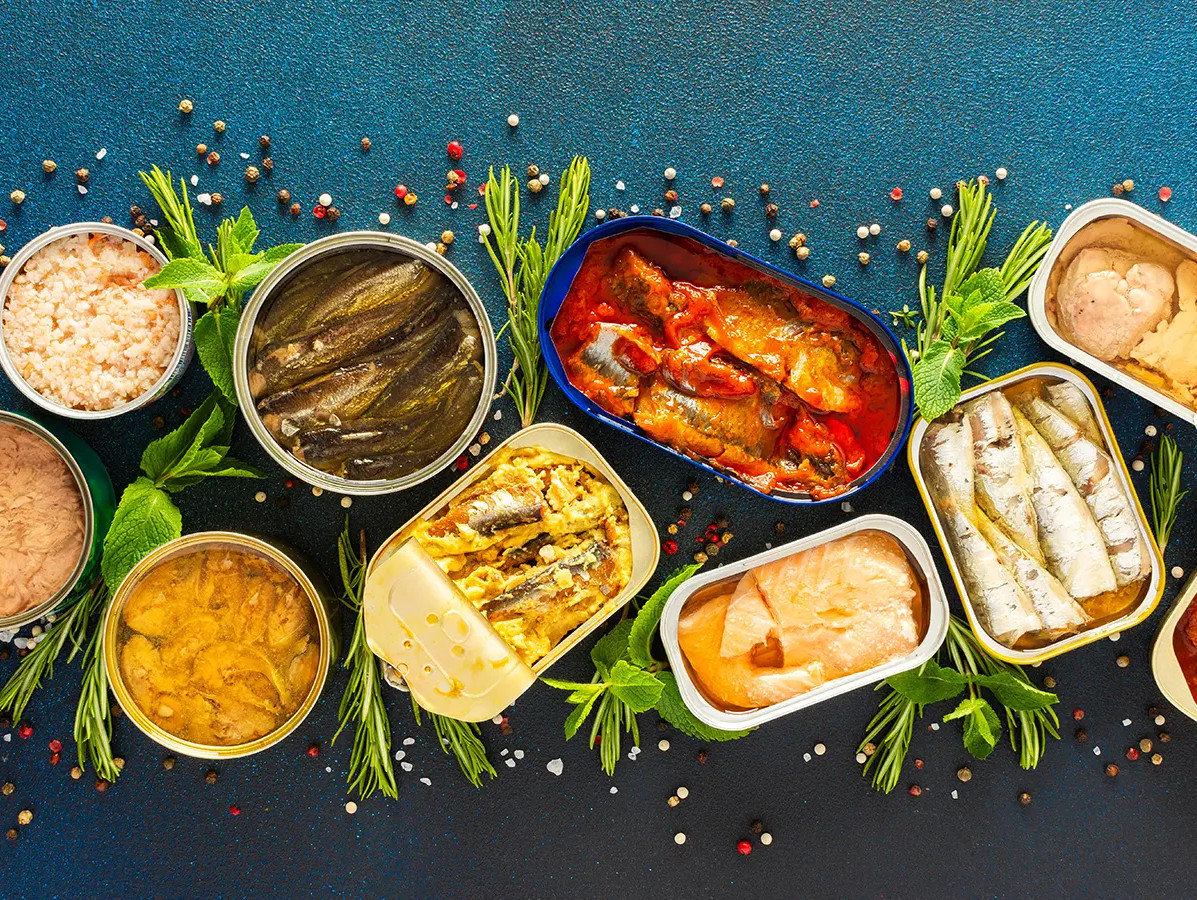
Clear European rules govern origin information for fresh seafood. The situation is different for processed seafood. Producers are not required to provide the same information about species, catch area and fishing method. New research into canned seafood products highlights the resulting differences between packages. Only a small proportion provides all the assessed information completely and clearly. Future of Food Institute conducted the research on behalf of Fish Tales.
The researchers assessed 202 packages from 34 different brands. The products came from Dutch and Belgian supermarkets. Based on the study’s criteria, 29% were sufficiently transparent. These packages stated the species, catch area and fishing method. In the Netherlands, this applied to 33% of products. In Belgium, the figure was 25%.
Of all packages, 34% were partially transparent. Information was either missing or presented unclearly on these products. Another 37% provided only one of the three details. In the Netherlands, 43% fell into this final category. In Belgium, the figure was 31%.
The scientific name appeared on 65% of the packages. In the Netherlands, the figure was 58%. In Belgium, it was 71%. The catch area was clearly stated on 55% of products. The fishing method appeared on 48% of all packages. This applied to 50% in the Netherlands and 47% in Belgium.
Some information was difficult to find or understand. Producers used codes, abbreviations or another language, for example. Other packages referred consumers to a QR code or website.
Specific European information requirements apply to fresh and frozen seafood. These rules require sellers to provide information about species and origin. Processed seafood is not subject to these specific requirements.
Founder Bart van Olphen is discussing the research findings in Brussels. He is meeting with European Commissioner for Fisheries and Oceans Costas Kadis. “Changing the law would be a good first step,” Van Olphen says.
Source: Fish Tales
Magazine Voedingsindustrie has been made possible in part by:



© COPYRIGHT 2026 VOEDINGSINDUSTRIE | ALLE RECHTEN VOORBEHOUDEN
Powered by Wallbrink Crossmedia © 2026