
The demand for alternative proteins is high and continues to grow—both as a substitute for expensive animal-based proteins and as a key component in protein-enriched products. Protein ingredient specialists Marijn van den Dikkenberg of Vaess, Loek Vesters of Aminola®, and Cesar Asselin of Magellan Food Ingredients share which proteins are gaining ground and how they're being used.
The protein market is evolving rapidly. Rising prices for animal proteins and the popularity of high-protein products are key drivers. Producers of protein-rich products—currently based mainly on dairy protein—are looking to offer plant-based alternatives. While the demand for meat and dairy substitutes has levelled off, food price inflation remains high. This has made supermarkets more cautious about launching new innovations in the meat and dairy substitute aisles. Their focus has shifted toward hybrid products that combine both animal and plant-based proteins. With these hybrids, supermarkets aim to strike a balance: affordable, tasty, sustainable, and nutritious.
The choice of plant-based proteins is still largely driven by price. “Retailers, including those in the meat substitute segment, rely on data-driven and consumer-focused strategies. As a result, price continues to dictate which plant proteins are in demand,” says Marijn van den Dikkenberg, business developer at Vaess. “That’s why familiar and cost-efficient sources like soy and fava beans remain the go-to options for many producers and consumers.”
Interest in clean label alternatives for meat substitutes is declining. Cesar Asselin, CEO of Magellan Food Ingredients, had been working on several projects aimed at replacing methylcellulose—a commonly used binding agent in plant-based meat products. “Methylcellulose is derived from wood fibre and can fully replace egg whites, allowing for 100% plant-based products. But it sounds synthetic, and frequent consumption has been linked to cancer. Lately, it’s no longer in the spotlight as a problematic ingredient, so producers see little reason to reformulate their products without it.” Alternatives like Rubisco protein, soy protein, and potato protein tend to be significantly more expensive.
Despite this, functional proteins—particularly pure plant-based isolates—are still in demand. Protein isolates typically contain over 80% protein, are white in colour, and have a neutral taste. Functional means they dissolve well and are able to bind, gel, or foam, making them ideal for mimicking the texture and mouthfeel of animal products. However, turning raw plant protein into an isolate is resource-intensive, requiring considerable time, energy, and water, which drives up the cost.
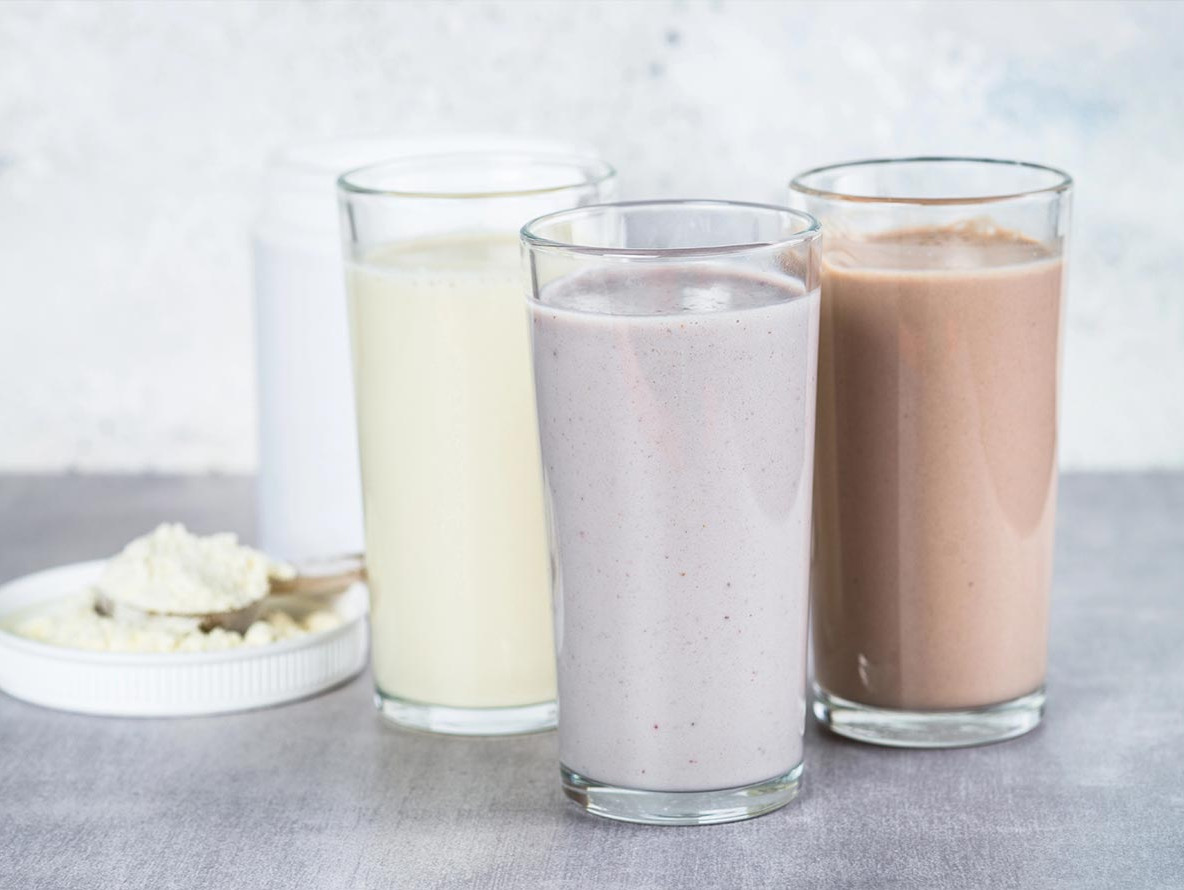
The high-protein sports nutrition trend creates opportunities for these premium isolates. Protein bars and powders are sold at premium prices. Cesar explains: “Most sports nutrition is based on whey protein, and an isolate with 80% protein content can easily exceed €10 per kilo. Some brands now also want to offer plant-based options. Soy and pea protein are cheaper, but the flavour is often too far off. Peanut protein isolate is a better fit. It’s derived from the press cake left over after peanut oil production—oil-free but rich in protein.”
Loek Vesters of Aminola® sees a growing interest not only in high-quality protein isolates with strong functional properties, but also in concentrates. These are less processed and therefore more affordable powdered plant protein ingredients, mainly from legumes. “Concentrates are often multifunctional, containing not just protein but also starch and other components that influence functionality. They’re also more sustainable due to their lower level of processing, and more nutritious because they retain more fibre.”
Previously, isolates were mostly used in processes that convert plant protein into fibres to replicate meat texture. “But a growing number of companies are now able to produce good-quality plant-based fibres using concentrate—or a blend of concentrate and isolate,” Vesters adds.
Many producers prefer to source proteins locally, based on the assumption that local means more sustainable. “Sustainability can be calculated,” says Loek Vesters. “We work with a strategic production partner in India, Relsus™, to supply protein ingredients derived from rapeseed, chickpeas, peas and mung beans. India accounts for 70% of the global cultivation and production of both chickpeas and mung beans. Rapeseed cake is also widely available there. It’s more sustainable to process at the source—close to where crops are grown and harvested. The abundance of raw materials keeps prices manageable, even though the processing itself is costly. Relsus™ uses a ground-breaking technology that’s not only sustainable but also delivers unique functional properties.”
The development of protein sources in some countries has already progressed beyond simply relying on local raw materials. As an example, Cesar Asselin points to an additional processing step used in China to reduce the off-flavour typical of pea protein isolates. “China imports peas from Canada, primarily for noodle production. The protein is then processed into TVPs (textured vegetable proteins).”
Some protein sources from overseas remain relatively unknown and are therefore underutilised and not yet widely available. Loek adds: “Mung bean isolate, for example, has excellent gelling and emulsifying properties. It already has novel food approval, but it’s a protected approval. There's already strong interest, but we won’t be able to bring it to market until 2027.” Cesar is working on developing cowpea, a type of legume similar to fava beans. “It dissolves well and has a mild, creamy taste, which makes it a promising ingredient for milk and yoghurt alternatives. The exact application still needs further development.”
Although there are now several high-quality alternative proteins on the market, their growth is slow due to ongoing price pressure. Both Cesar and Marijn mention mycoprotein as a promising plant-based option. Produced by fungi, this protein contains all essential amino acids and is easier to digest than soy. However, it remains relatively expensive compared to soy and wheat gluten.
Plant-based proteins can be costly, but the intended application determines what food manufacturers are willing to pay. “When an isolate or concentrate is used in a protein shake that consists of 80 to 90 percent protein, price is critical, and any price increase becomes a problem,” says Loek. “But if the same ingredient makes up just 2 percent of a pesto or drink and has a neutral flavour, meaning fewer flavourings are needed, the equation changes. Using a relatively expensive protein may actually reduce the need for other ingredients or simplify the production process. In the end, it’s the cost-in-use that matters.”
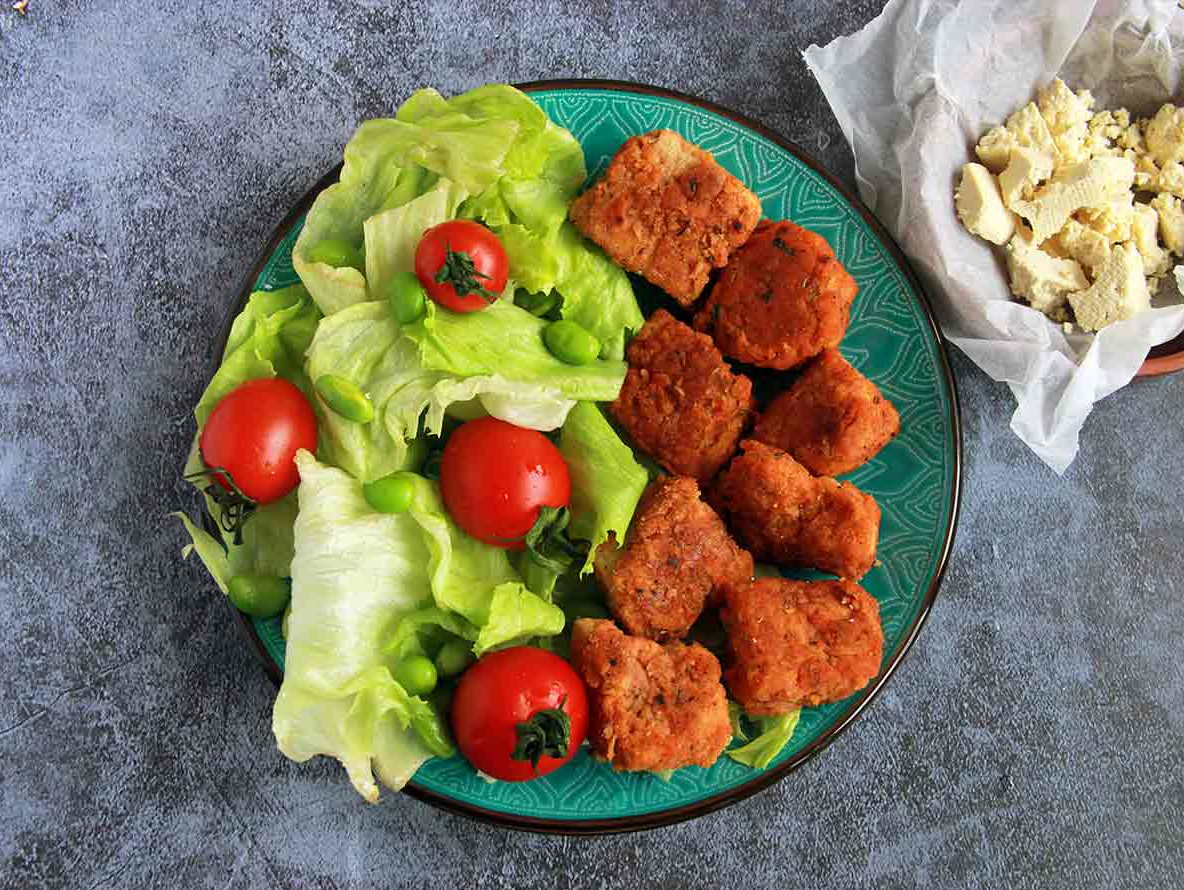
For example, the use of mycoprotein is gaining ground in chicken nuggets due to rising prices and the unstable supply of chicken meat. Marijn explains: “Global outbreaks of avian flu often lead to local and temporary reductions in chicken populations, mostly due to mortality and preventive culling. This affects the availability of chicken products. Processors then look for a formulation with a more stable supply and cost. Partially replacing chicken with mycoprotein results in a product that tastes nearly the same and is more consistent in price and availability.”
Mycoprotein is also making its way into a less developed category: cheese alternatives. “Right now, most plant-based cheeses are made mainly from coconut oil,” she continues. “In a hybrid cheese variant, we’ve partially replaced casein protein with mycoprotein. That helps maintain the cheese’s protein content. At the same time, there’s a limit to how much plant protein can be added—too much can negatively affect flavour.”
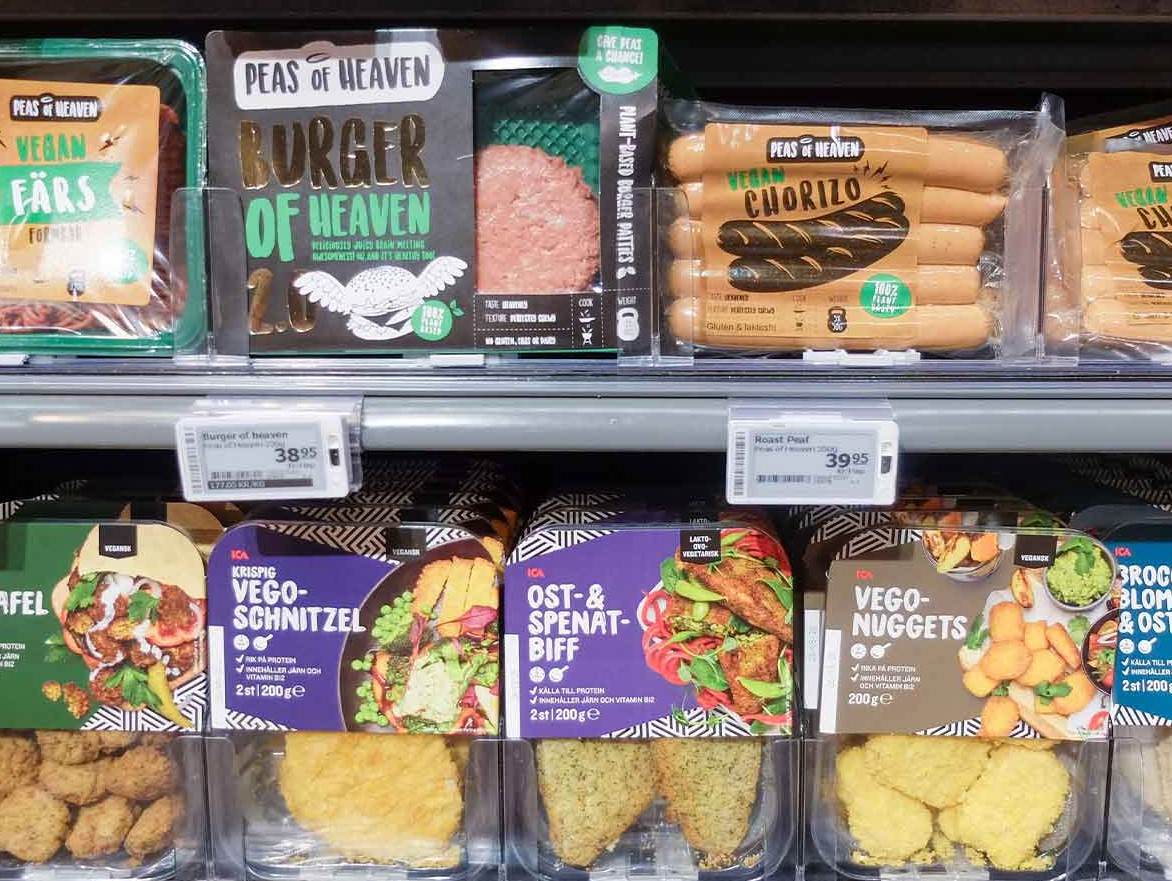
The rising cost of animal-based ingredients, such as chicken meat and pork fat, is opening the door for plant-based alternatives. A growing number of producers are now developing hybrid products—part plant-based, part animal-based—that offer a more sustainable and cost-effective solution. Marijn explains: “We're currently focused on developing these kinds of products. Due to sustainability targets set by both retailers and foodservice providers, demand is growing. Reducing emissions across the supply chain is key, and increasing the use of plant proteins in products is a practical way to do that.”
Producers differ widely in how much plant-based content they incorporate into hybrid formulations. “Most companies approach us with an idea of the percentage of meat or dairy they’d like to replace,” Marijn says. “Many clients are still cautious. They typically start with a modest 10 to 20 percent substitution.”
“These hybrid products seem to be well received in the market,” adds Cesar, referencing items like LIDL’s blended minced meat. “They’re a great stepping stone for people wanting to eat more plant-based foods—especially when there’s no noticeable difference in taste.”
Marijn smiles: “We once had a request from a client who wanted to make hybrid cheese with the lowest possible amount of cow’s milk cheese—just enough so they wouldn’t have to label it as vegan. The market for vegan cheese is still quite limited, while hybrid cheese could appeal to a much larger audience.”
Food producers are increasingly looking for new protein ingredients that improve their products across multiple fronts: price, taste, and nutritional value. Loek notes: “At Aminola®, we offer a complementary portfolio. We’ve consolidated our knowledge of product functionality and properties into a PIM database. This allows us to support customers more efficiently. For example, if someone is looking for a plant-based protein that gels, has a neutral taste, and works at a pH of 7.5, we don’t need to test ten different ingredients—we can quickly narrow it down to three to five options that are likely to meet their needs.”
Reformulating with plant-based ingredients can often lead to a better product overall. Marijn adds: “In that sense, we help companies formulate products with plant proteins in a way that keeps costs in check, lowers emissions, and improves the Nutri-Score. At IFFA, we let visitors try a hybrid meatball. The original product had a Nutri-Score of E. Without major changes, we were able to improve that to a Nutri-Score of A—without compromising on taste.”
Looking ahead, Marijn expects hybrid meat products to become increasingly common, with the share of plant proteins steadily rising. “The previously mentioned benefits—sustainability, health, and cost efficiency—make this development not only logical, but also inevitable. Both conscious and less conscious consumers will increasingly accept, and eventually embrace, this shift. Hybrid products will no longer be seen as an exception, but as the new normal on the meat shelf.”
Source: Vakblad Voedingsindustrie 2025
Magazine Voedingsindustrie has been made possible in part by:



© COPYRIGHT 2026 VOEDINGSINDUSTRIE | ALLE RECHTEN VOORBEHOUDEN
Powered by Wallbrink Crossmedia © 2026