
Global meat production has grown significantly over the past sixty years. Poultry recorded the strongest increase during that period. This is according to a new report from the Food and Agriculture Organization of the United Nations (FAO), which examined the development of animal-source foods worldwide. Egg and pork production also increased substantially over the same period.
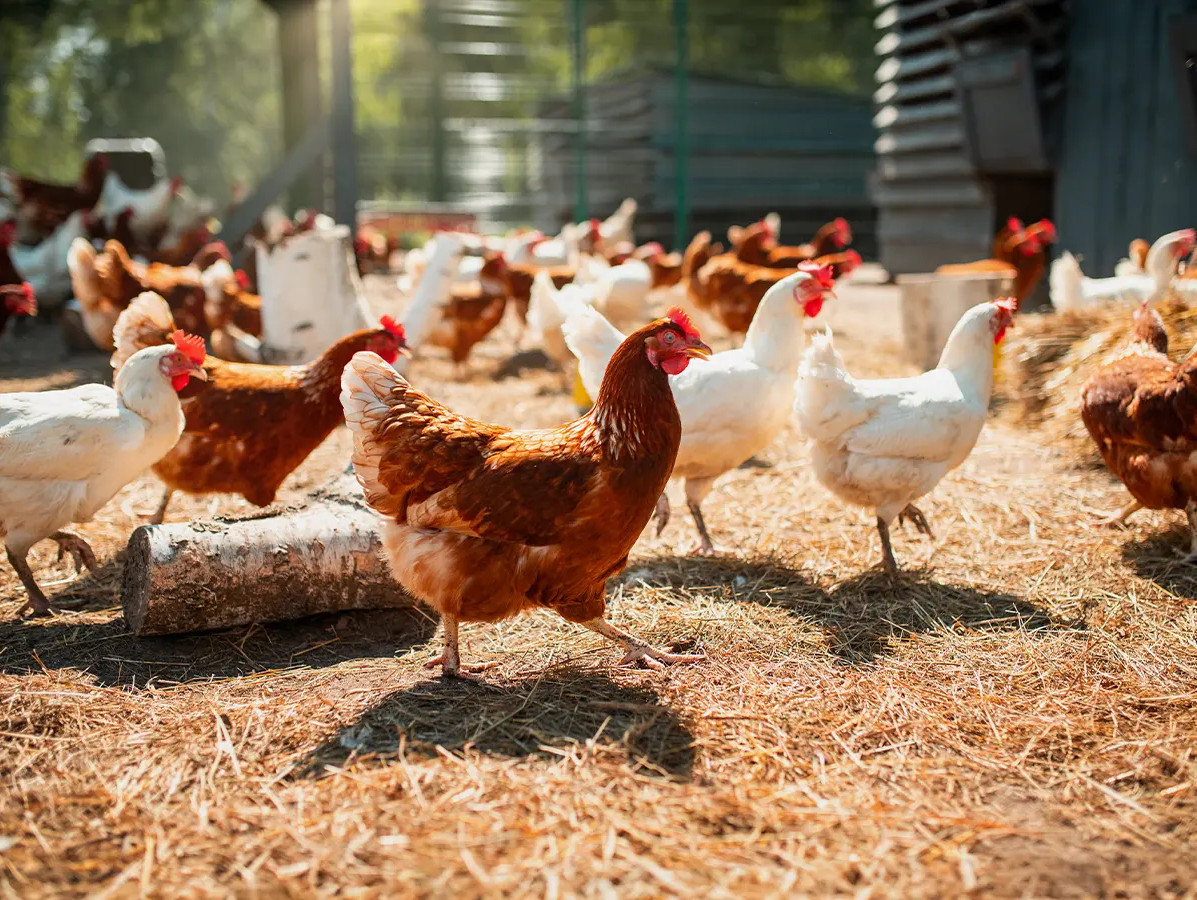
Between 1961 and 2022, global production of animal-source foods increased considerably. Poultry grew the fastest, expanding by approximately fivefold. Egg and pork production nearly doubled. Beef production remained stable globally or declined in several regions.
Total meat production increased from around 71 million tonnes in 1961 to 361 million tonnes in 2022. Milk production rose from approximately 342 million tonnes to 930 million tonnes. Egg production increased from about 15 million tonnes to 94 million tonnes. Asia is now the largest producer of animal-source foods. Europe ranks second.
Production continues to grow worldwide, but availability varies considerably by region. North America has the highest per capita availability. Asia produces the most, yet availability per person remains relatively low. In Sub-Saharan Africa, per capita availability remained largely unchanged. Only a limited number of countries recorded modest improvements. For example, milk availability increased in Kenya, while poultry availability rose in South Africa.
Food loss and waste further widen these differences. Globally, about one-third of all food produced is lost or wasted. Around 14 percent of animal-source foods are lost. According to the FAO, this is often linked to the perishable nature of these products, inadequate cold-chain infrastructure and insufficient temperature control.
“The many breeds and species of livestock on our planet can thrive in a wide range of environments, particularly in areas less suited or unsuitable for crop production, and contribute to a wide variety of healthy diets,” write FAO Deputy Director-General Godfrey Magwenzi and FAO Chief Economist Máximo Torero in the foreword.
At the same time, they point out that the livestock sector faces a wide range of challenges. These include deforestation, changes in land use, greenhouse gas emissions, unsustainable use of land and water, pollution, and competition between food and feed production. Animal welfare, animal health, zoonotic diseases, foodborne illnesses, and antimicrobial resistance are also highlighted.
Source: FAO
Magazine Voedingsindustrie has been made possible in part by:



© COPYRIGHT 2026 VOEDINGSINDUSTRIE | ALLE RECHTEN VOORBEHOUDEN
Powered by Wallbrink Crossmedia © 2026