
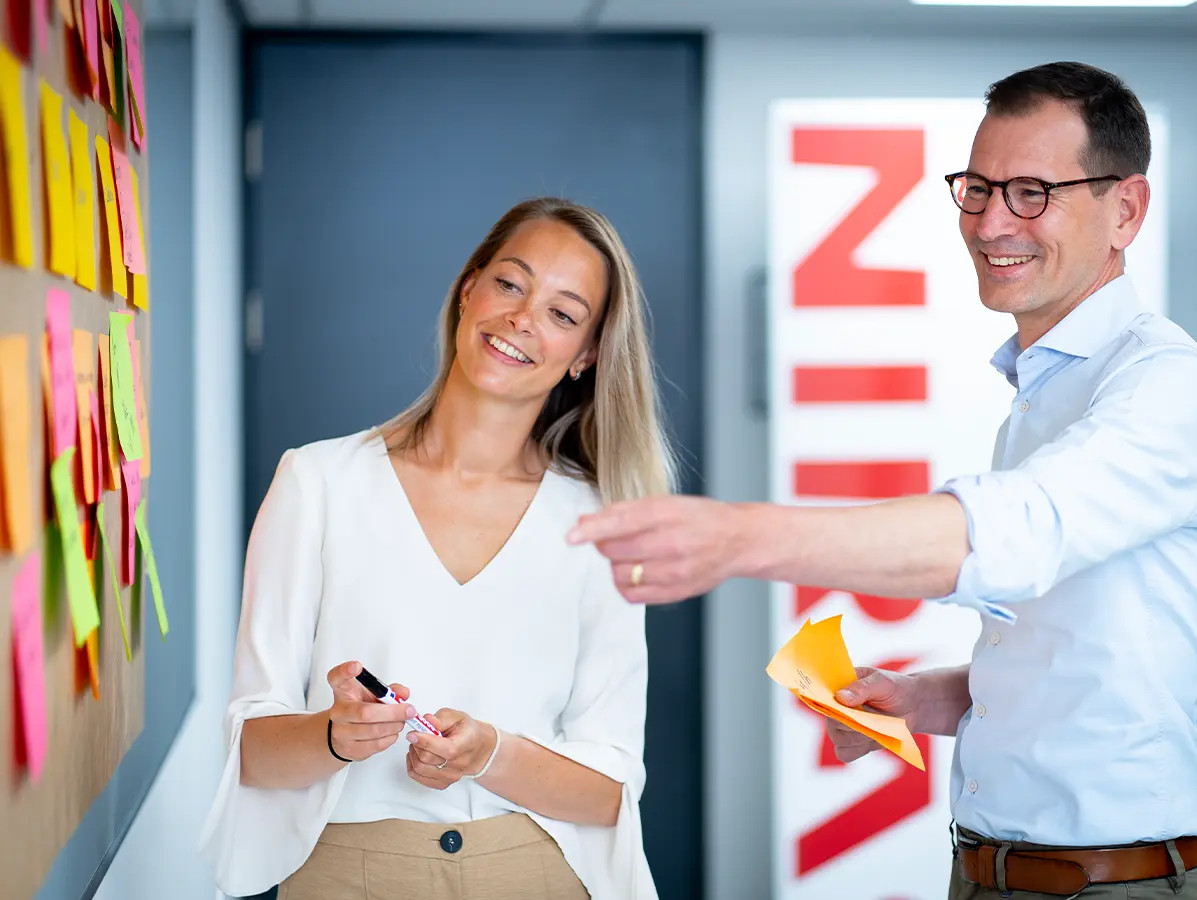
Applying AI within production processes offers both opportunities and challenges. Dirk Boumans, expertise director digitalization, and Erik Snijders, senior project manager at NIRAS, an engineering firm specializing in the food industry, share their vision and experience.
“AI offers a fantastic range of options for automation and optimization. However, using it is not a goal in itself,” Dirk states.
“Packaging lines used to be primarily mechanical and standardized, but they are now becoming increasingly automated and self-learning. There are packaging lines that already automatically adjust their speed or order sequences based on data from different parts of the process. Artificial intelligence can, as a central brain, collect data and execute actions, although this full application is not yet widely implemented. The building blocks are already in place.”
“Applying AI is part of broader optimization. It starts with collecting and validating data, followed by gaining insight. Only once this foundation is in place can machine learning be used to make real-time adjustments.
Hardware, software, and data infrastructure must be reliable. High-quality sensors are essential, as is attention to privacy and cybersecurity. In addition, operators must learn to work alongside AI.”
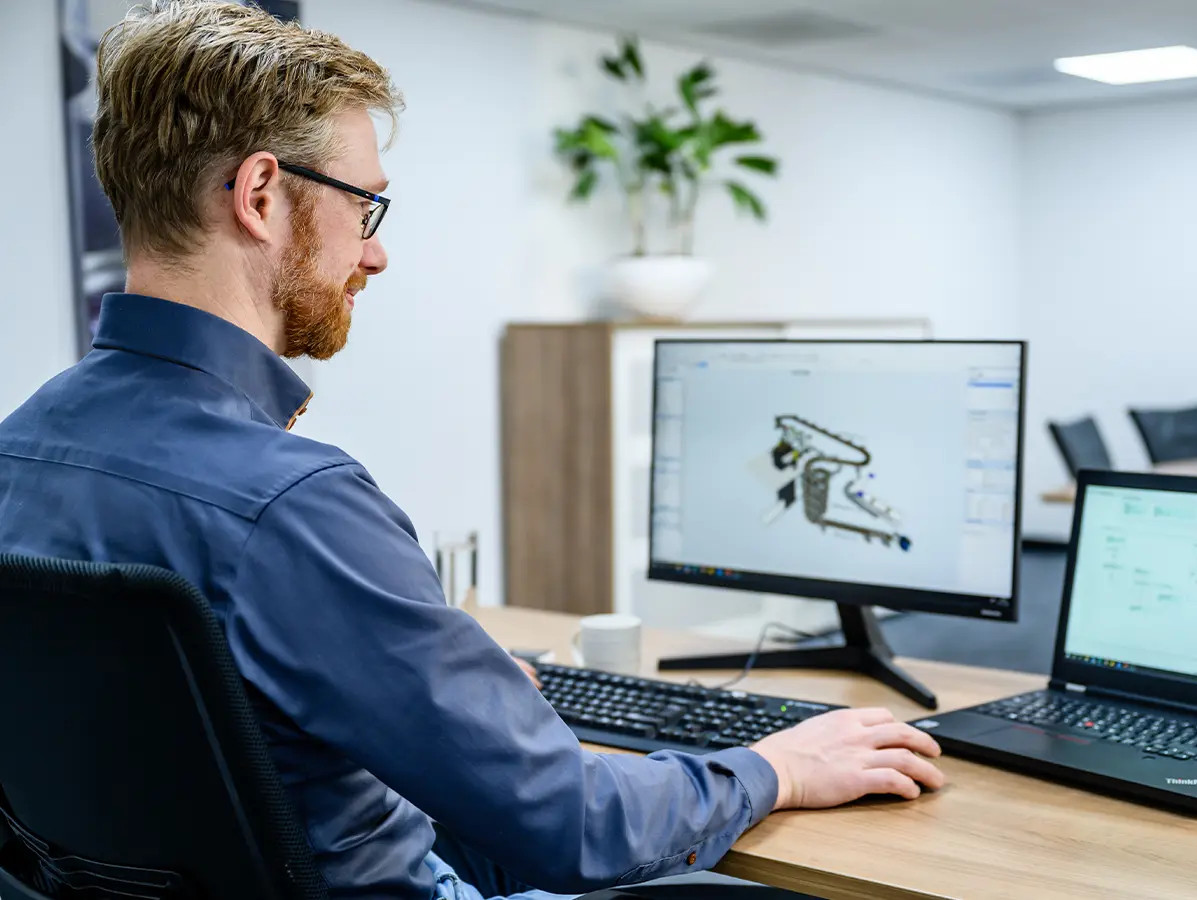
“That’s true. The unknown often meets resistance,” Erik says. “We see that the greatest hesitation does not come from the machine builder, but from the food producer. Investing in new systems and training employees requires time and resources.” Yet according to him, the possibilities are countless. “Sensors can measure raw materials and retrieve valuable information for further optimization. The same applies to detecting deviations in packaging. By already recognizing and recording this data as a source for AI, systems can later propose optimizations independently.”
When installing new systems or optimizing existing ones, it is wise to carefully consider the opportunities and limitations associated with the decisions being made. Thinking strategically about this now pays off, ensuring that packaging lines are ready for the requirements and possibilities of tomorrow.
Source: Vakblad Voedingsindustrie 2026
Magazine Voedingsindustrie has been made possible in part by:



© COPYRIGHT 2026 VOEDINGSINDUSTRIE | ALLE RECHTEN VOORBEHOUDEN
Powered by Wallbrink Crossmedia © 2026





