
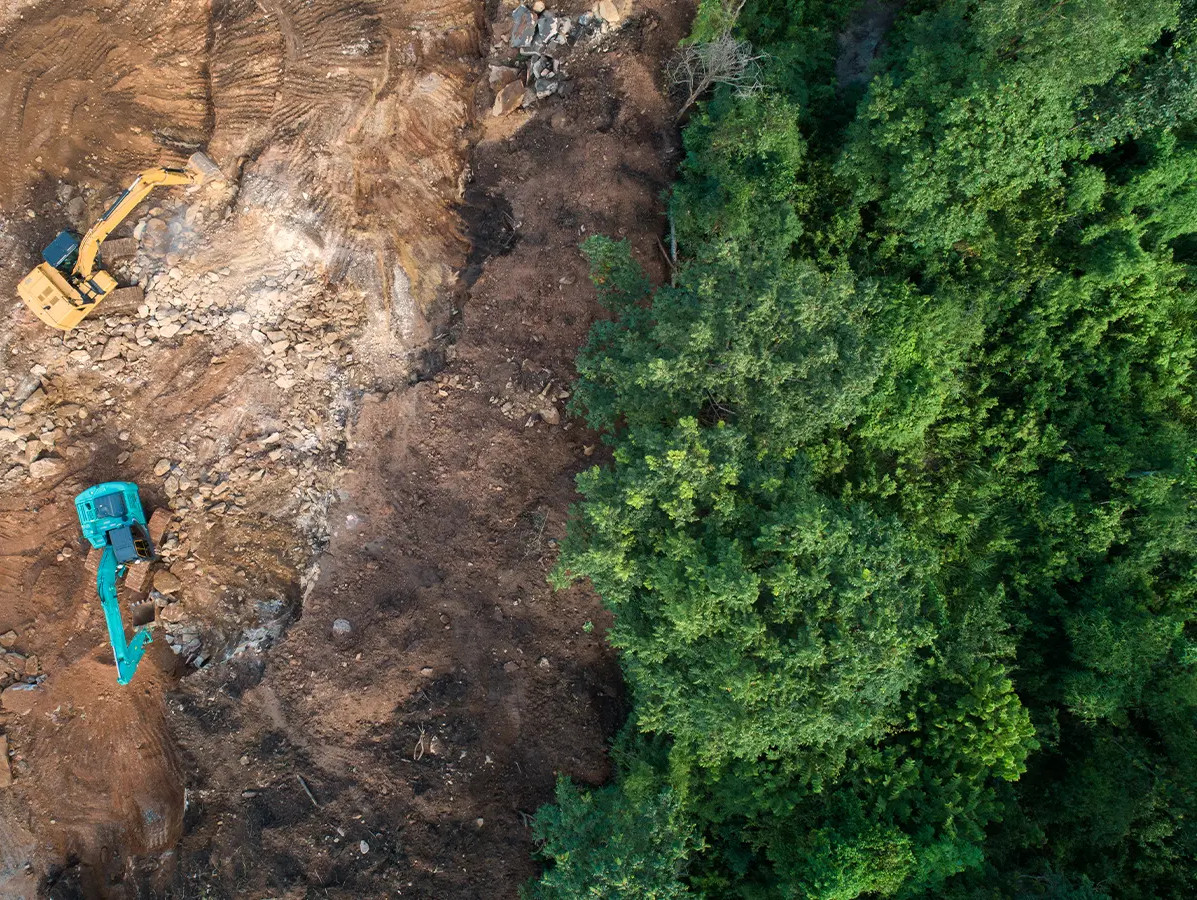
The European Deforestation Regulation is moving closer to everyday practice. This requires preparation from businesses, regulators, and stakeholders in producing countries. The Netherlands is continuing to develop a workable approach. One principle remains central: preventing deforestation without unnecessary administrative burdens.
The Dutch implementation of the deforestation regulation, known as the EUDR, is on schedule. The regulation’s objectives and effectiveness must be maintained. The Netherlands Food and Consumer Product Safety Authority (NVWA) and Customs are prepared for enforcement. Enforcement will begin on December 30, 2026. The legal implementation is also proceeding according to schedule.
A European simplification package serves as the basis for these preparations. The European Commission published this package on May 3, 2026. The European Commission is supporting businesses with implementation. Guidelines and technical assistance are available for this purpose. Businesses can also use the TRACES information system.
The NVWA informed stakeholders in the Netherlands and abroad about the EUDR. The regulator also explained how enforcement is expected to work.
The NVWA also conducted trial inspections at businesses. During these inspections, companies’ due diligence systems were assessed. This determined whether they complied with the EUDR.
The NVWA published the findings in August 2025. In early September 2026, the regulator will discuss these results with stakeholders.
The Netherlands is a major importer of products covered by the EUDR. The government is therefore also considering the impact on producing countries. Smaller agricultural businesses, in particular, may struggle to meet the requirements. As a result, they could be excluded from international value chains.
The Netherlands contributes to several support programs. The Team Europe Initiative provides technical assistance to producing countries. The SAFE program supports producers in specific countries and regions.
NI-SCOPS also focuses on sustainable palm oil supply chains. The program operates in Malaysia, Indonesia, and Colombia. CBI also supports efforts to make Uganda’s coffee supply chain more sustainable.
Source: Tweede Kamer
Magazine Voedingsindustrie has been made possible in part by:


© COPYRIGHT 2026 VOEDINGSINDUSTRIE | ALLE RECHTEN VOORBEHOUDEN
Powered by Wallbrink Crossmedia © 2026