
My microbiology lab instructor at HAS, Mr. Savelkouls used to show us the most beautiful and colorful images of molds and yeasts through the microscope. We saw multicolored bouquets, magnificent thickets, and entire flower gardens. The most stunning colonies were the pathogens. Beautiful under magnification, but definitely not something you want on your plate. I still smile when I think back to the vividly colored Salmonella culture plates; truly a feast for the eyes.
Foodborne pathogens that regularly make the news carry names such as Salmonella, Klebsiella, Listeria, Legionella pneumophilia, Cholera, Rota virus, and Yersinia enterocolitica. The most poisonous mushroom in the world, known in the Netherlands as the green death cap (in English fittingly called the ‘death angel’), is referred to by botanists as Amanita phalloides. And the equally deadly fibrecap mushroom is, quite elegantly, called Inocybe geophyla. One of Savelkouls’ favorite sayings back then was: ‘A beautiful woman has the devil inside her.’ Because yes; they are all female names.
As students, we wondered: what kind of madman gives sweet-sounding Latin girls’ names to some of the deadliest weapons to our health? We simply couldn’t wrap our heads around it, though we could philosophize endlessly about it. What drove scientists (at the time of these namings mostly Western European men) to give potential botanical killers girls’ names? Were they unlucky in love? Did they argue with their mothers-in-law and was this their punishment? Were they erotically frustrated? Could there perhaps be some grand conspiracy? And was Mr. Savelkouls right about that other matter as well? Should we boys truly distrust the pretty girls—the Daisies, Roses, and Camelias? Was the devil hiding there? We had so many questions back then.
The answer to our question about the pathogens is less exciting than we imagined at the time. Those scientists simply followed the tradition of giving plants and flowers female names in general. Objects and animals usually receive male names. I have since stopped thinking in terms of conspiracies. And I also stopped searching for the devil in my beautiful wife. I must admit, in part because I was no longer eager to sleep on the [couch] (m/f).
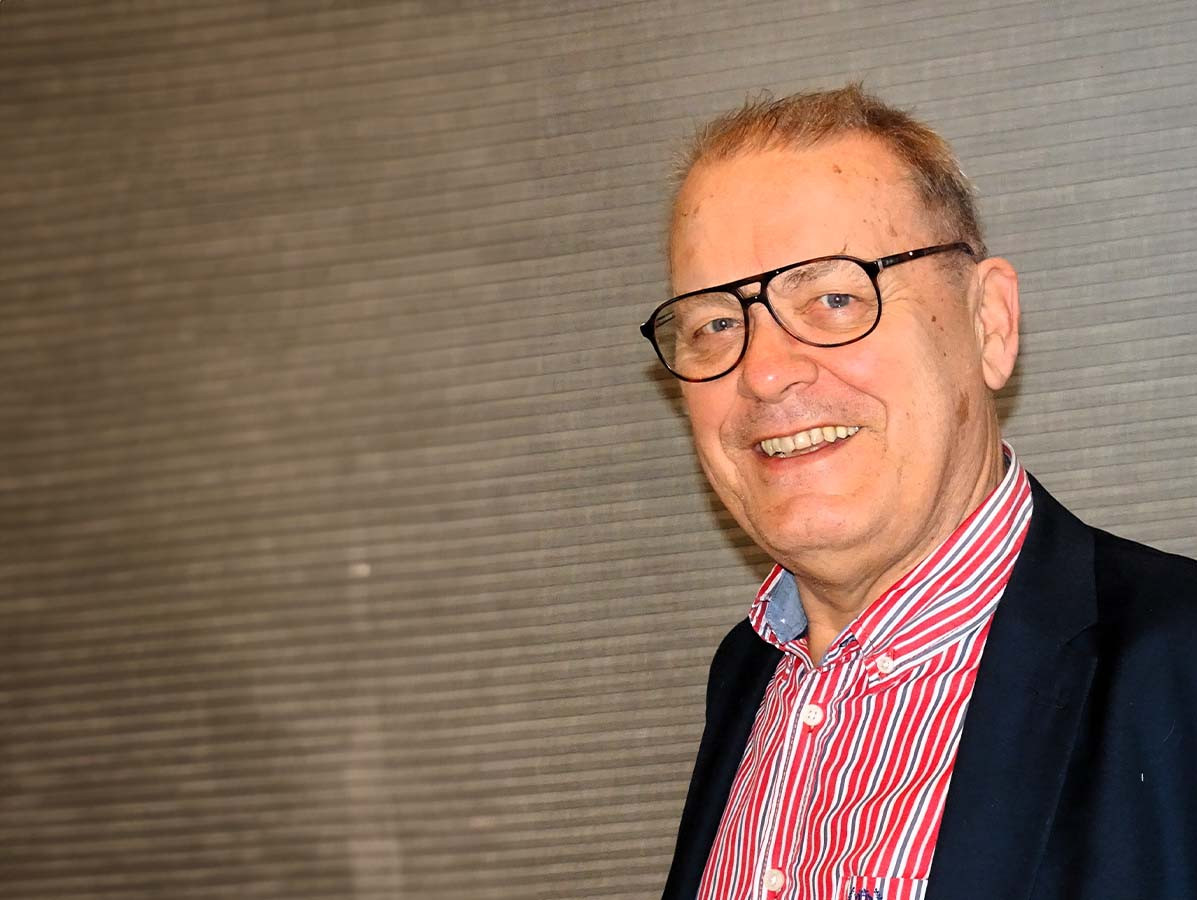
IJsbrand Velzeboer
Curative food technologist
Source: Vakblad Voedingsindustrie 2026
Magazine Voedingsindustrie has been made possible in part by:



© COPYRIGHT 2026 VOEDINGSINDUSTRIE | ALLE RECHTEN VOORBEHOUDEN
Powered by Wallbrink Crossmedia © 2026