
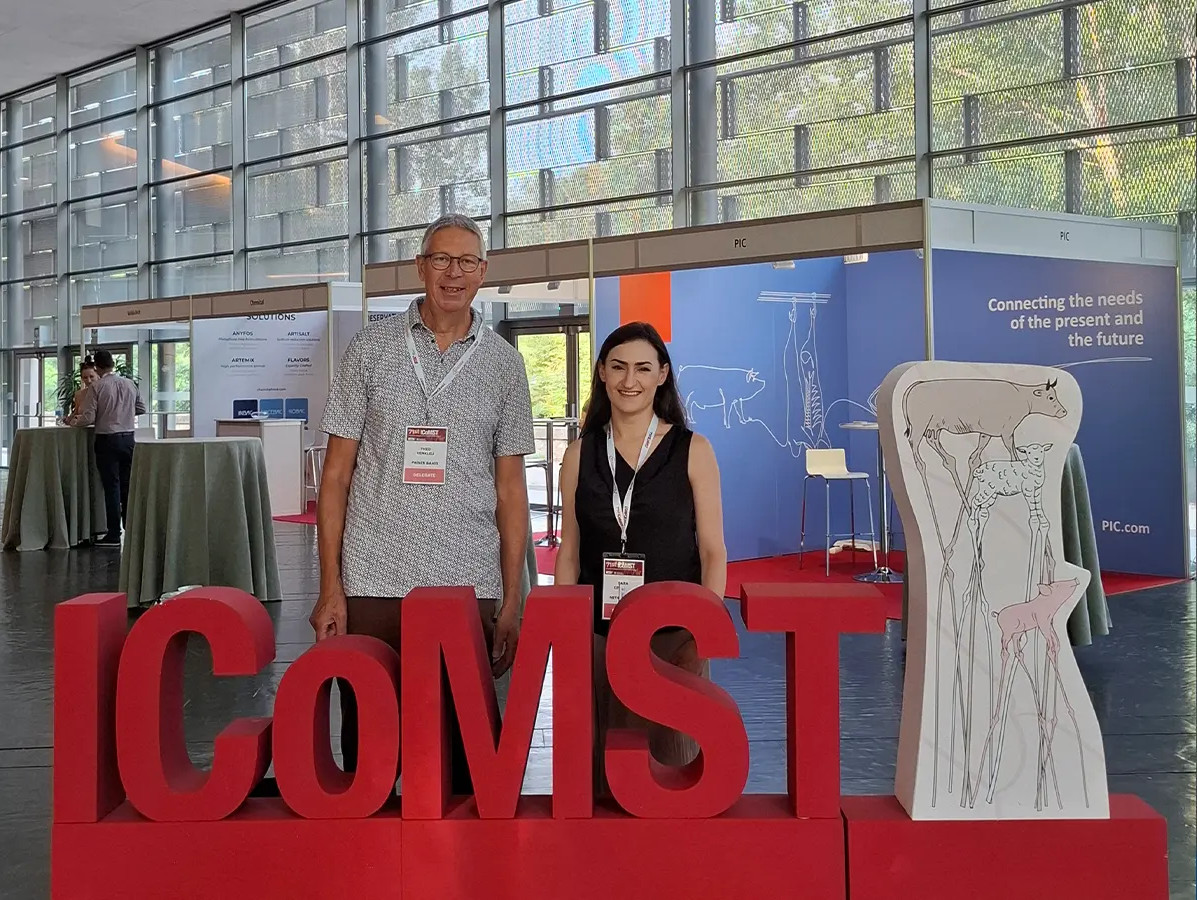
This year’s annual International Congress of Meat Science and Technology (ICoMST) took place in Girona, Spain. At this 71st edition, 485 meat scientists from more than 40 countries gathered to gain insights into topics covering the entire meat production chain, from farm to fork.
This year’s theme was ‘Real Meat, Real Care’. With this theme, the organisation highlights the essential role of meat in the human diet while underscoring the importance of sustainable production.
Louise Fresco opened the congress with her lecture titled ‘The value and necessity of animal production’, focusing on meat consumption throughout the centuries. She explained that as our ancestors started eating meat in addition to plants and fruits, not only did our brains grow over the course of history — our cheeks did too. While primates remained in the forests, where vegetables and fruits were their main food sources, humans moved onto the savannah. This shift had specific consequences. Primates developed longer intestinal tracts due to their vegetable- and fruit-based diet, which was essential for extracting enough energy from their food. Humans did not require this adaptation. They began hunting animals and eating meat, which was easy to digest and nutritious thanks to its high energy and mineral density.
More compelling relations were given. She concluded her presentation by discussing the current geopolitical situation. Due to today’s ‘multipolar’ world — in which multiple countries hold significant global influence — countless shifts are taking place, including in the raw materials markets and consumption patterns. Researchers, she argued, should focus more on the implications of these developments. She also emphasized the need for more attention to optimizing animal feed and recovering minerals from animal manure. She described the rise of hybrid products as promising. “In addition to improving people’s diets, this development positively supports sustainability.”
Richard Bou (IRTA Spain) spoke in his session about stimulating the valorization of meat by-products in food, animal feed, and biomedical applications. He noted that slaughter by-products have techno-functional properties that largely remain unused. This is partly due to concerns about (perceived) food safety risks, differing sensory characteristics, and strict veterinary regulations. Meanwhile, demand for ingredients derived from animal by-product streams is growing within the animal feed industry. Policymakers and industry stakeholders, he argued, should join forces to ensure broader acceptance of this valuable material.
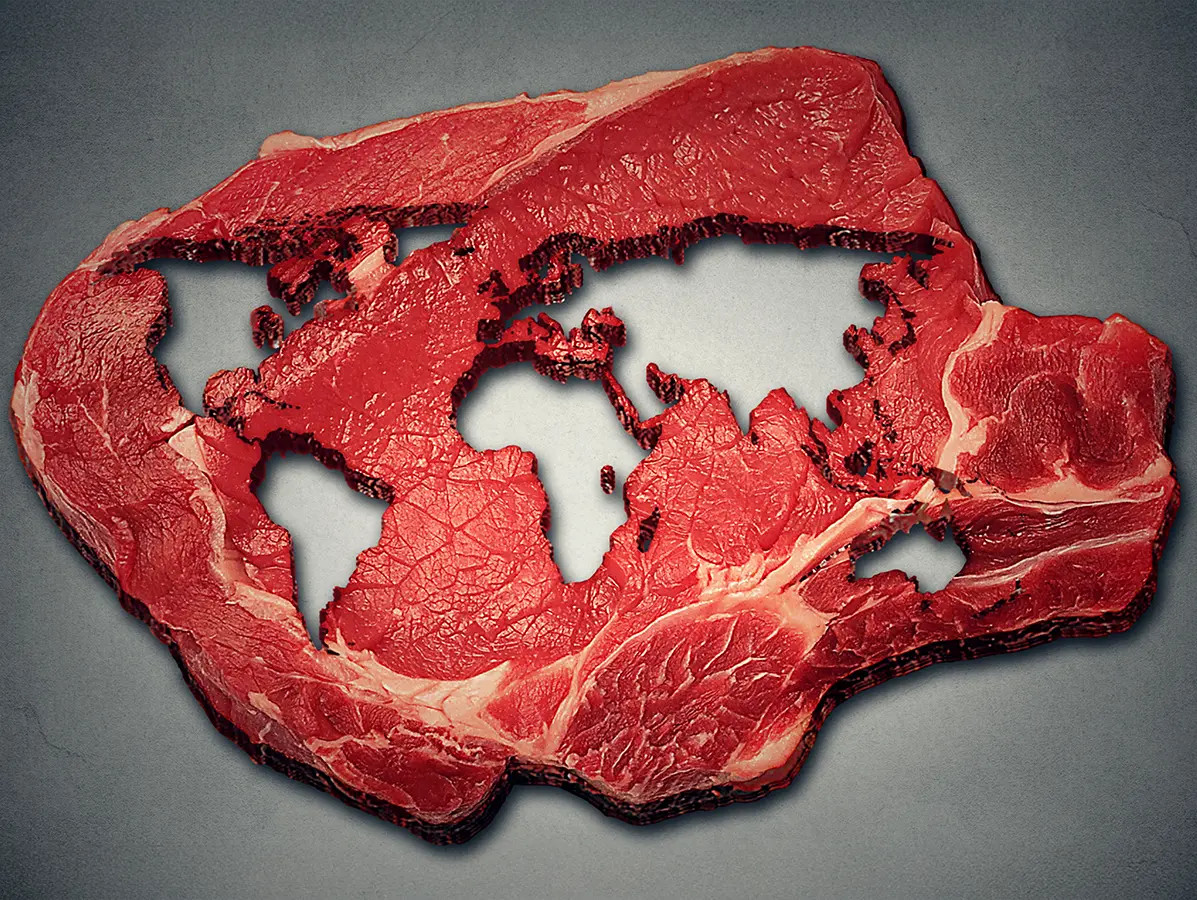
Brendan Egan (Dublin City University, Ireland) addressed the integral role of meat in the diets of athletes and ‘active adults’. In his daily work, he advises athletes on nutrition to help optimize their performance. He applies a ‘food first’ approach: supplements are only considered when regular food no longer meets mineral requirements. He elaborated on meat’s contribution to essential nutrients, observed consumption patterns, and the potential implications of eating meat for physical performance. Intensive training increases the need for several nutrients, including proteins, various essential vitamins, and minerals. Meat is a source of high-quality, complete proteins. It provides all nine essential amino acids, which are crucial for stimulating muscle protein synthesis and supporting muscle recovery and growth. In addition, meat provides heme iron — indispensable for optimal oxygen transport to the muscles — as well as the vitamins B3, B6, and B12, which are important for efficient energy metabolism and healthy nervous system function. Zinc, another essential mineral abundantly present in meat, supports the immune system and accelerates tissue repair, according to Brendan.
The session concluded with a discussion of the Dublin Declaration and the Denver Call of Action, both of which remain highly relevant. In the Dublin Declaration — signed by more than 1,200 scientists — it is stated that 'Livestock systems must progress on the basis of the highest scientific standards. They are too precious to society to become the victim of simplification, reductionism or zealotry.' (…) Scientists are therefore asked to provide reliable evidence on the benefits regarding nutrition and health, ecological sustainability, socio-cultural and economic values, and solutions for the many improvements that are needed. (The full declaration can be read at www.dublin-declaration.org/the-denver-call-for-action.)
A respectful and open dialogue remains essential for addressing the complex issues surrounding the food system, the congress participants concluded. Increasingly, scientists specializing in meat research face threats from activists who want to eliminate meat consumption entirely. They are also confronted with reduced funding and bias in scientific publishing. Against this backdrop, fifteen young researchers shared their vision for the future of meat research. “We want to drive meat systems towards their more sustainable, ethical, and innovative future. We are not anti-vegan. We are pro-science, pro-facts, pro-future.” They hope — and expect — that politicians will listen to the broader public, and not just to the groups that shout the loudest.
Source: Vakblad Voedingsindustrie 2025
Magazine Voedingsindustrie has been made possible in part by:



© COPYRIGHT 2026 VOEDINGSINDUSTRIE | ALLE RECHTEN VOORBEHOUDEN
Powered by Wallbrink Crossmedia © 2026





