
Global food prices rose again in March. It marks the second consecutive monthly increase. This adds further pressure to commodity markets and cost levels across the food industry. According to the FAO, the increase is mainly linked to rising energy prices, combined with tensions in the Near East. At the same time, global grain availability remains relatively ample, which is currently limiting further price increases.
The FAO Food Price Index averaged 128.5 points in March. This is 2.4 percent higher than in February and 1.0 percent above the level a year earlier. The increase is largely driven by higher oil prices.
According to FAO Chief Economist Máximo Torero, the impact remains limited for now. “Price rises since the conflict began have been modest, driven mainly by higher oil prices and cushioned by ample global cereal supplies.”
The vegetable oil price index rose by 5.1 percent. Prices increased across all major oils, partly due to expectations of stronger demand for biofuels. Sugar recorded the largest increase, rising by 7.2 percent, driven by expectations that Brazil will allocate more sugarcane to ethanol production.
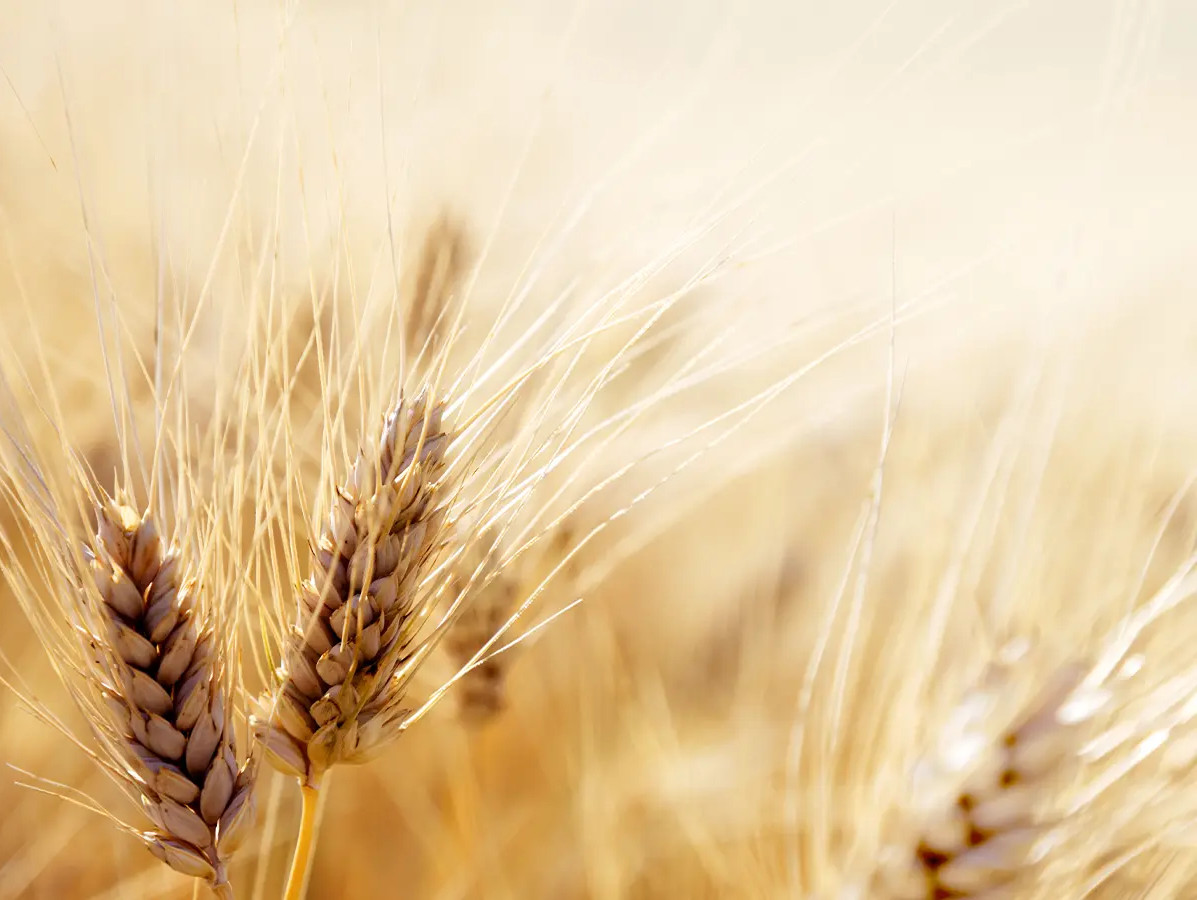
Grain prices increased by 1.5 percent compared to February. Wheat prices rose by 4.3 percent due to drought conditions in the United States and lower planting expectations in Australia. Maize prices edged up slightly, with ample global availability acting as a limiting factor.
Rice prices declined by 3.0 percent. This is due to harvest timing, weaker import demand, and currency effects.
The FAO expects global wheat production to reach 820 million tonnes in 2026. This is 1.7 percent lower than a year earlier. Higher energy and fertilizer prices are adding uncertainty to the market.
According to Torero, this may force farmers to make decisions that affect yields. “Those choices will hit future yields and shape our food supply and commodity prices for the rest of this year and all of the next.”
At the same time, global cereal stocks remain at a relatively comfortable level. The stock-to-use ratio is estimated at 32.2 percent.
Source: FAO
Magazine Voedingsindustrie has been made possible in part by:



© COPYRIGHT 2026 VOEDINGSINDUSTRIE | ALLE RECHTEN VOORBEHOUDEN
Powered by Wallbrink Crossmedia © 2026





