Wallonia aims to become a European reference region for agrifood biotechnology by 2035. The region is focusing on areas including fermentation, functional ingredients, and health-driven nutrition. Companies such as Puratos, Cosucra, and Galactic are already applying biotechnology expertise in practice. Further growth will depend mainly on financing and industrial scale-up.
In April 2026, Wagralim presented a strategy for agrifood biotechnology. The Walloon cluster sees opportunities in a rapidly growing market. According to the roadmap, the market is growing by 2 to 8 percent annually.
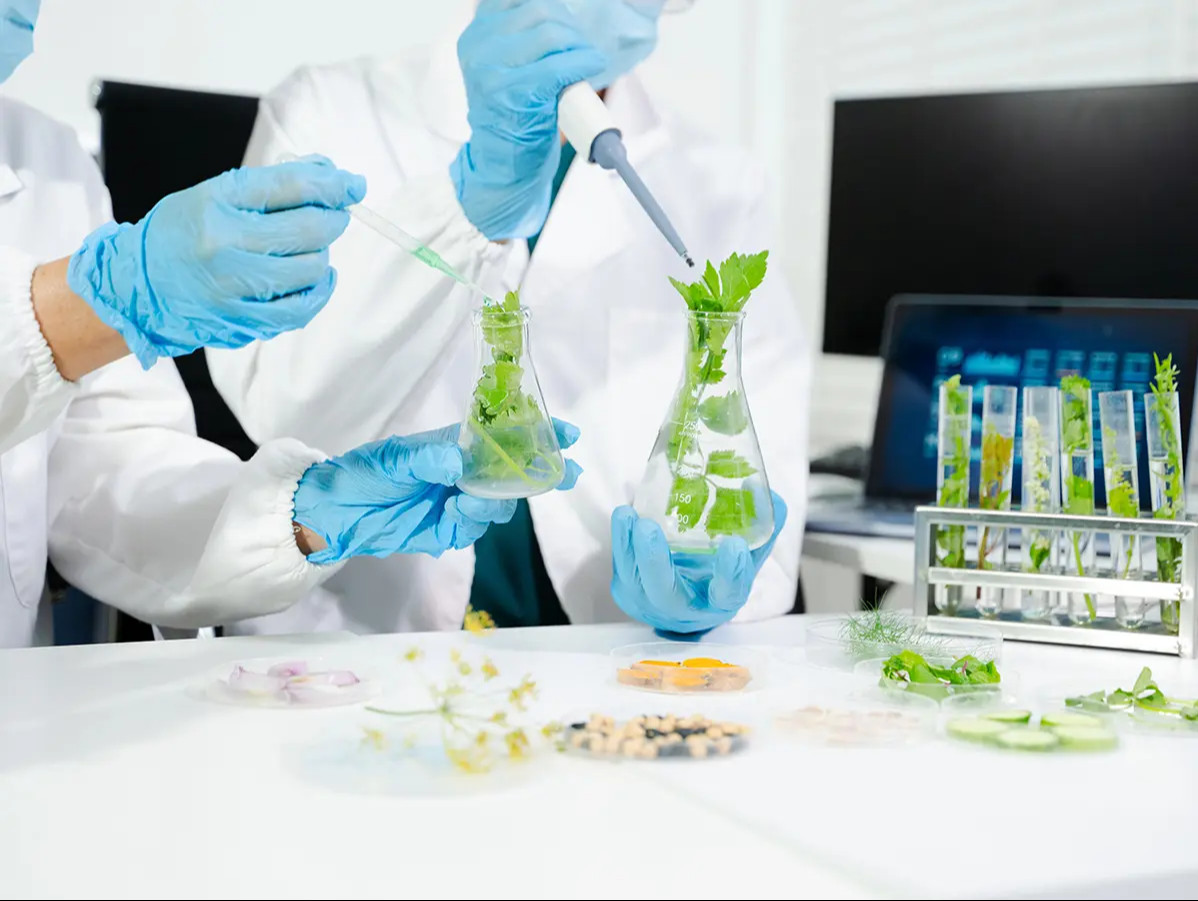
Wallonia has extensive expertise in fermentation, bioprocessing, and biomass conversion. Universities and research centers form an important knowledge network in these fields.
Several companies are already putting this expertise to use. Puratos uses enzymes and biofermentation for bakery and food products. Cosucra produces plant-based and functional ingredients from chicory and peas. Galactic produces lactic acid and derivatives and has expertise in fermentation.
Wagralim identifies three areas with significant potential. These are biosolutions, nutrition and health, and animal nutrition.
Within nutrition and health, the focus is on several applications. Wagralim highlights prebiotics, probiotics, postbiotics, and personalized nutrition. In animal nutrition, the focus is on tailored feed. This is aimed at animal health, performance, and a lower environmental impact.
According to Wagralim, financing remains a major bottleneck. Agrifood biotechnology projects are long-term, complex, and capital-intensive. The transition from proof of concept to validation is particularly challenging. Companies therefore often combine funding from several sources.
Wagralim wants to identify promising projects earlier and provide better support. Resources are also needed for technological validation and industrial scale-up. In addition, the cluster is calling for closer cooperation between research and industry.
Wallonia also participates in the European Biotech4Food project. The project supports investment and innovation in biotechnology and agrifood. The Dutch LVVN Attaché Netwerk is monitoring developments in Wallonia. It is looking for opportunities for collaboration with Dutch companies and research institutions.
Source: Agroberichten Buitenland
Magazine Voedingsindustrie has been made possible in part by:



© COPYRIGHT 2026 VOEDINGSINDUSTRIE | ALLE RECHTEN VOORBEHOUDEN
Powered by Wallbrink Crossmedia © 2026