
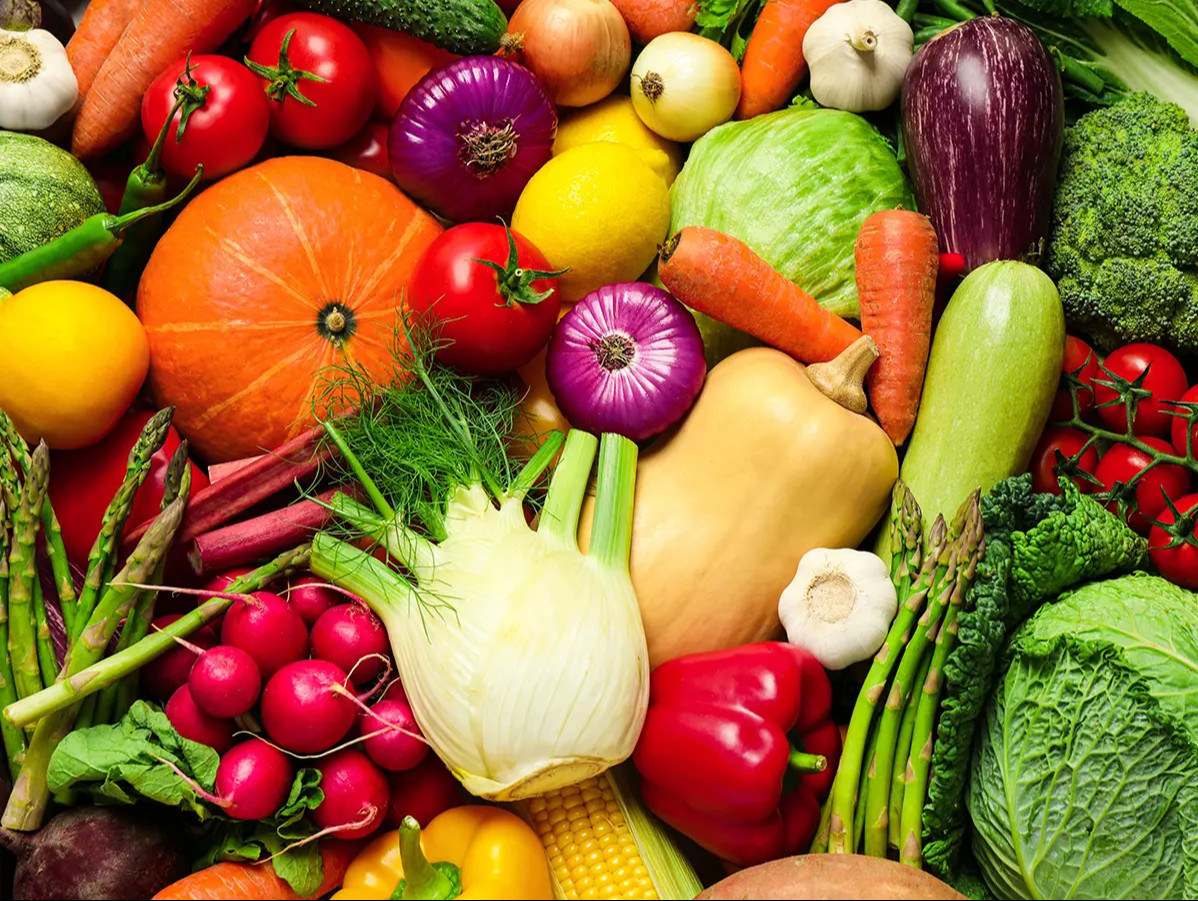
Greater variation in vegetable species can make agriculture more climate-resilient. Traditional varieties and wild relatives in particular offer opportunities for breeding. An international research team is therefore calling for better conservation and use. Wageningen University & Research (WUR) contributed to the study.
The researchers identified more than 1,480 edible vegetable species worldwide. According to them, the actual number is likely even higher. Many of these species are rarely studied or used.
Traditional varieties and wild relatives contain valuable genetic traits. Breeders can use these traits to develop new varieties. This can help vegetables become more resistant to heat and drought. Resistance to pests and diseases also plays an important role.
“Growing more vegetables alone is not enough. We also need to grow a wider range of vegetable species,” says Eric Schranz, professor of biosystematics at Wageningen University & Research.
Many lesser-used vegetable species are rich in vitamins and minerals. They are also often well adapted to local conditions. Even so, they receive little attention in research, breeding and conservation.
The diversity of traditional vegetable varieties declined sharply over the past century. Wild relatives of important vegetable crops are also under pressure. Nearly a quarter of the wild relatives studied are threatened with extinction.
According to the researchers, simply storing seeds in gene banks is not enough. The different species also need to be actively used in practice. This means further breeding, cultivation, sale and consumption.
The researchers are therefore calling for expanded research and breeding efforts. Access to a wider range of genetic resources also needs to improve. Conservation and use of vegetable species must go hand in hand.
Source: Wageningen University & Research
Magazine Voedingsindustrie has been made possible in part by:



© COPYRIGHT 2026 VOEDINGSINDUSTRIE | ALLE RECHTEN VOORBEHOUDEN
Powered by Wallbrink Crossmedia © 2026





