Getting more out of every potato starts with the production process. But how residual streams are used also makes a difference to food waste. The potato processing industry is making progress on both fronts. These findings come from food waste monitoring among members of industry association VAVI. For frozen potato products, the industry average fell to 4.0% in 2025. Which changes are helping, and where is there room for further improvement?
The potato processing industry is measuring food waste for the sixth consecutive year. Wageningen University & Research is working with six companies on this initiative. They are Agristo, Aviko, Farm Frites, Lamb Weston, McCain and Peka Kroef. The Ministry of LVVN supports the monitoring partnership.
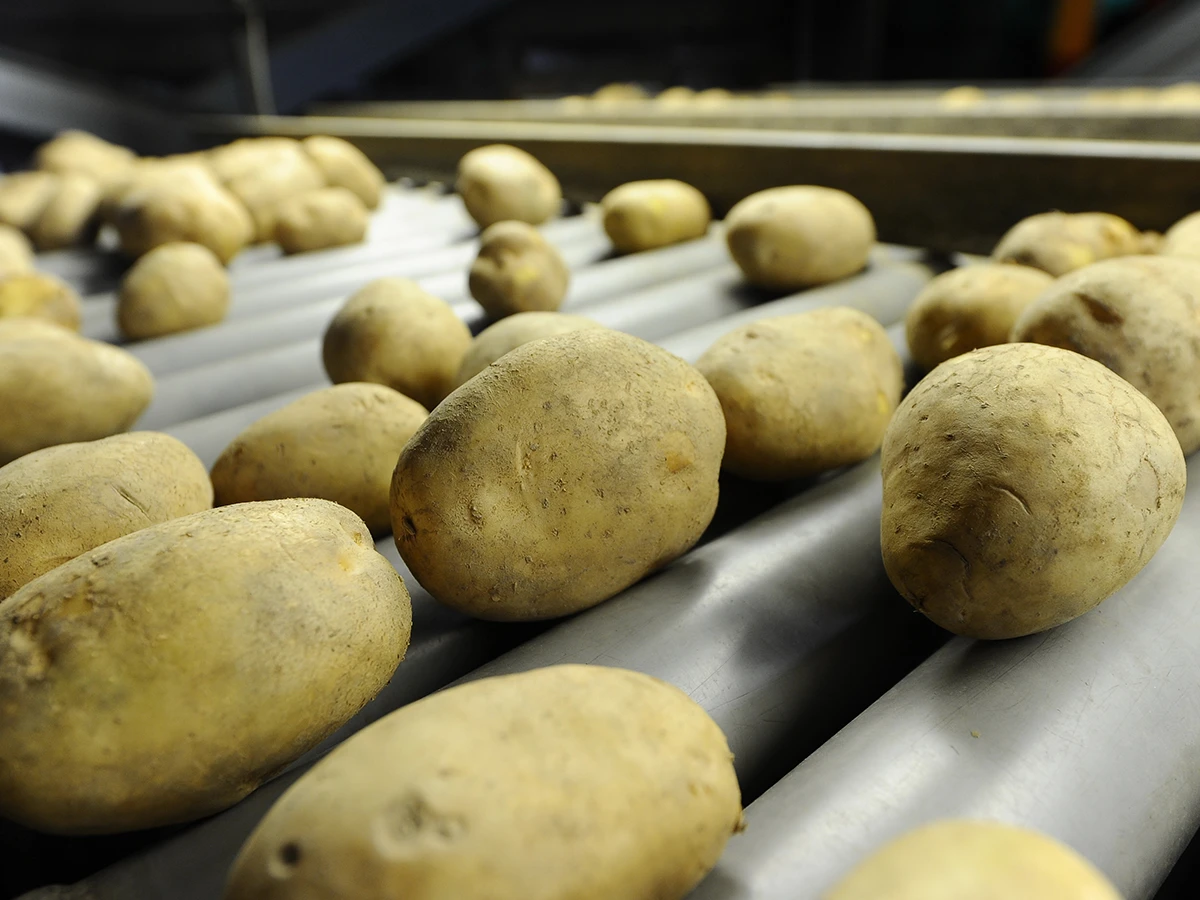
Process improvements reduced residual streams both in volume and relative to production. Better optical sorting helps companies use more of each potato. They are also developing skin-on potato products and products that incorporate small pieces or short cuts.
More par-fried product went to animal feed and less to anaerobic digestion. Residual streams used for food, animal feed or materials do not count as food waste. Those that do qualify as food waste are largely used to produce biogas. A small proportion of these streams goes to composting.
Companies are also working to separate starch from process water earlier or more effectively. This is intended to prevent starch from being lost in wastewater. It should also help keep the starch suitable for animal feed.
According to the industry, using gray starch in animal feed offers the greatest opportunity to further reduce food waste. This residual stream is generated during potato blanching. Lamb Weston made additional investments for this purpose at its new plant in Kruiningen. As a result, the company can already supply gray starch for use in animal feed.
Food waste fell by 7% compared with the 2021–2023 average. The industry is thereby contributing to the European target. For the processing industry, this requires a 10% reduction at the national level by 2030. The 2021–2023 average also serves as the baseline for this target.
Source: Samen Tegen Voedselverspilling
Magazine Voedingsindustrie has been made possible in part by:



© COPYRIGHT 2026 VOEDINGSINDUSTRIE | ALLE RECHTEN VOORBEHOUDEN
Powered by Wallbrink Crossmedia © 2026