How much does selling surplus food reduce emissions? Wageningen Food & Biobased Research and foodservice wholesaler InstockMarket developed a calculation model to answer that question. It calculates the carbon footprint of rescued products and compares it with that of conventional products. Hospitality and foodservice businesses can use these figures in their purchasing reports.
The model calculates the emissions generated by recovering food products for sale. It then compares the result with a product sold through conventional channels. The press release presents rescued zucchini as its first specific example.
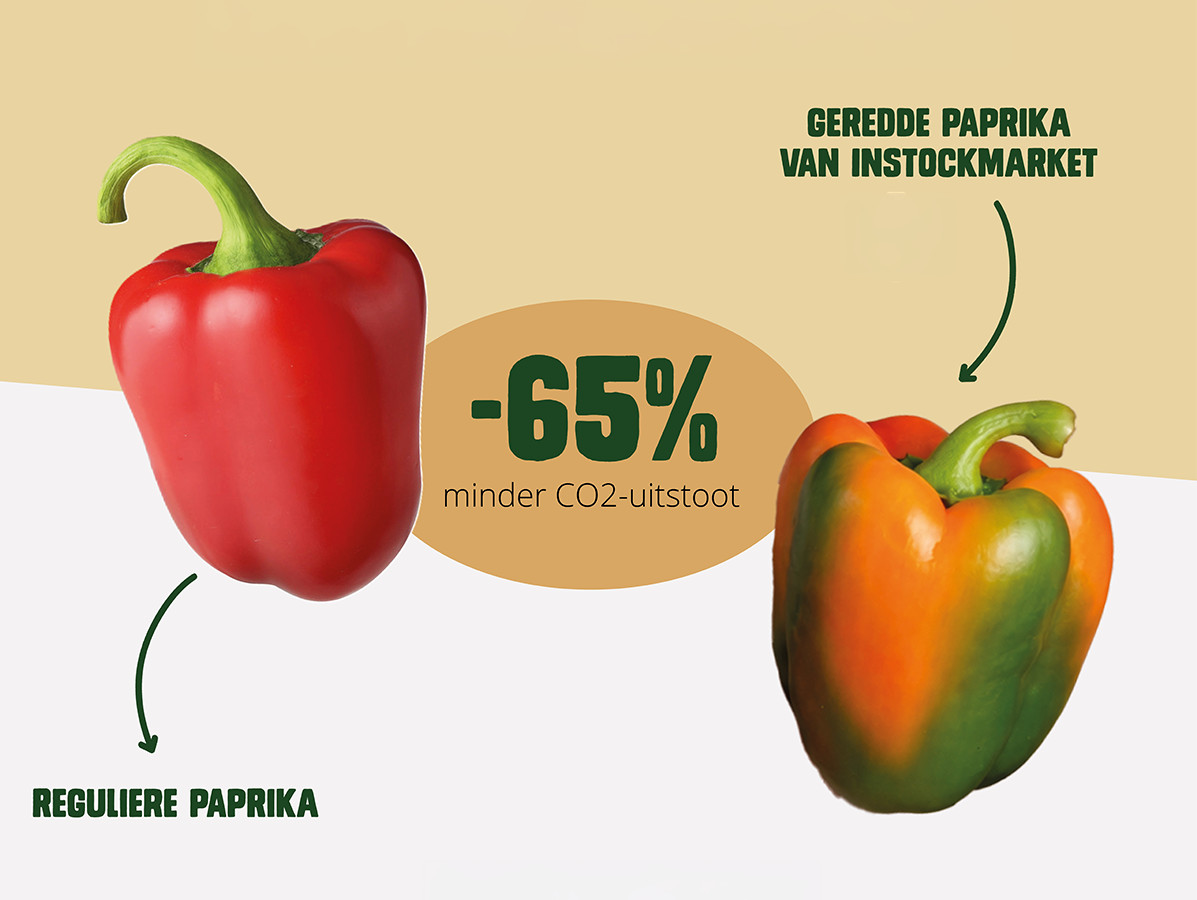
The calculated footprint per kilogram of rescued zucchini is 0.696 kilograms of CO₂ equivalent. For zucchini sold through conventional channels, the figure is 2.003 kilograms. Calculated emissions are therefore 65% lower in this example. The comparison uses values from RIVM (2024) and CarbonCloud. Outbound transportation is excluded from this example.
The model follows the international GHG Protocol Product Standard. This describes how businesses calculate a product’s carbon footprint. According to the press release, businesses may sometimes allocate zero production emissions to a side stream.
InstockMarket allocates 30% of production emissions to rescued products. The company describes this as a conservative approach. It accounts for the economic value created by recovering these products for sale.
The calculation also includes transportation to the Food Rescue Center. Packaging and energy use at the facility are included as well. Whether transportation to customers is included depends on the chosen system boundary.
InstockMarket adds the carbon footprint figures to its existing purchasing reports. Customers can then see the emissions savings calculated by the model for each order. The figures are intended for restaurants, hotels and corporate caterers, among others. Healthcare institutions and educational organizations can also use them in their reporting.
InstockMarket continues to work on improving the underlying data.
Source: InstockMarket
Magazine Voedingsindustrie has been made possible in part by:



© COPYRIGHT 2026 VOEDINGSINDUSTRIE | ALLE RECHTEN VOORBEHOUDEN
Powered by Wallbrink Crossmedia © 2026