Water accounts for only a small share of production costs. Yet the food industry can hardly operate without it. Drinking water utilities warn of shortages during dry periods from 2035 onward. Producers may then have less water available at times of peak demand. Expansion plans could also stall due to insufficient drinking water availability.
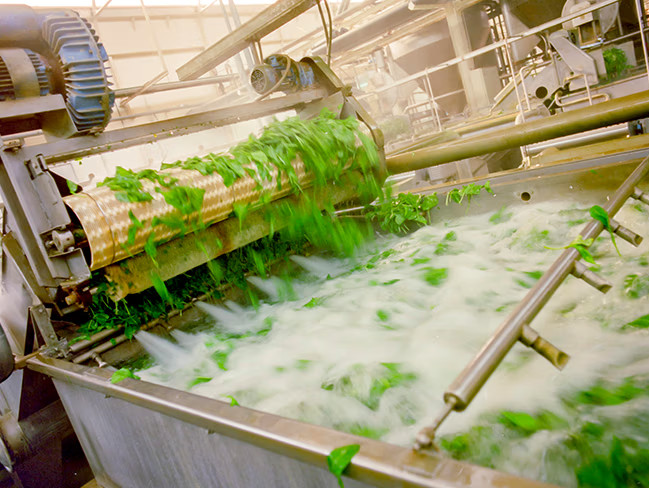
The food and beverage industry uses tap water throughout its processes. Some is incorporated into products as an ingredient. Producers also use it for cooking and steaming.
Tap water is also needed to clean products. It is used to clean packaging and production machinery as well. For cooling, the industry mainly uses groundwater and surface water.
Water is relatively inexpensive. It accounts for only a few tenths of a percent of production costs. Even if prices rise sharply, the industry remains highly dependent on water. Demand therefore remains steady.
Without government action, drinking water shortages could emerge from 2035 onward. The risk is greatest during dry periods. Companies may have less access to water at times of peak demand.
Expansion plans requiring large volumes of water may also be rejected. Large-scale production restrictions caused by drinking water shortages remain rare for now. The risk increases as droughts become more frequent and severe.
Breweries and dairy companies have been reducing their water use for some time. They are making their production processes more efficient. For example, companies are shortening their cleaning cycles.
Filtration methods allow water to be reused. Producers also collect residual water for reuse.
However, water-saving technologies require considerable investment. Low water prices limit the financial benefits of reducing consumption. This makes such investments difficult to justify financially. They also have long payback periods.
Source: ABN AMRO
Magazine Voedingsindustrie has been made possible in part by:



© COPYRIGHT 2026 VOEDINGSINDUSTRIE | ALLE RECHTEN VOORBEHOUDEN
Powered by Wallbrink Crossmedia © 2026