What exactly makes something a snack? The answer depends less on the product than many people think. Timing, surroundings, and motivation also shape its meaning. New PhD research among Dutch millennials challenges the conventional view of snacking. It also suggests that many snacking occasions are not unhealthy.
Mariëlle de Vaal tracked 264 Dutch millennials for one year. Participants recorded their food and drink intake using a mobile app. They labeled each occasion as breakfast, lunch, a between-meal snack, or a meal replacement.
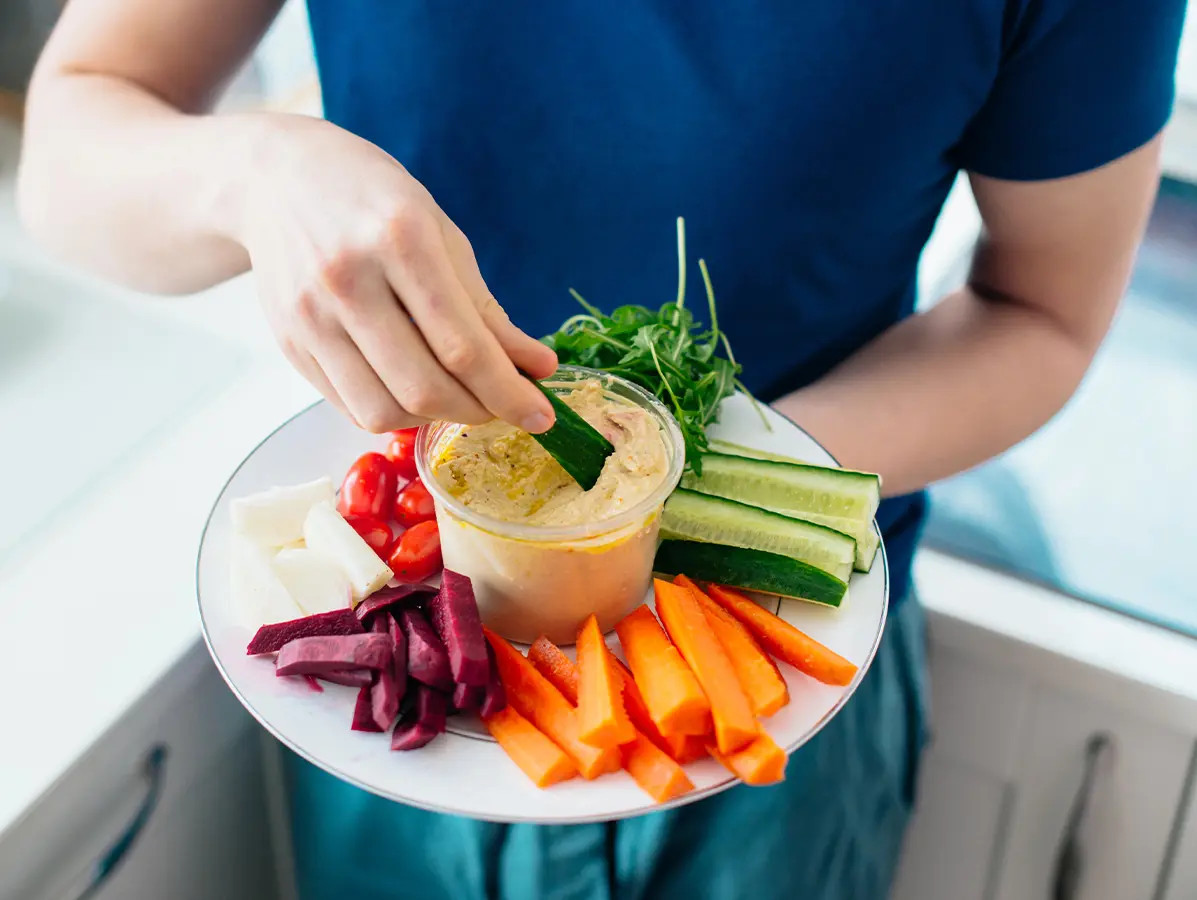
On average, participants snacked four to five times per day. Of all recorded snacking occasions, 64 percent fit within the Disc of Five. These included fruit, cucumber, bread, yogurt, and black coffee. Such snacks can contribute to a healthy diet.
At work, for example, participants considered cucumber a between-meal snack. They ate it to keep hunger at bay until lunch. During a social evening, they called the same cucumber a snack.
Black coffee also took on different meanings depending on the situation. At work, coffee could serve as a functional between-meal snack. At an outdoor café with friends, it was more of a treat.
People do not snack solely because they are hungry or thirsty. Habit, convenience, energy, relaxation, health, and social interaction also matter. A person’s surroundings can also influence their snacking behavior.
De Vaal refers to the global trend of “snackification.” Traditional distinctions between snacks and meals are becoming less clear. Snacks can replace meals, while bread can serve as a snack. Some people spread their intake across several smaller eating occasions.
According to De Vaal, this development calls for a different approach to dietary advice. General recommendations to avoid snacking do not always fit the situation. Someone seeking to reduce their sugar intake may benefit more from an alternative for a regular candy break.
“Snacking is not unhealthy by definition and really does not deserve its bad reputation,” De Vaal says. She defended her dissertation on August 25, 2026.
Source: Wageningen University & Research
Magazine Voedingsindustrie has been made possible in part by:



© COPYRIGHT 2026 VOEDINGSINDUSTRIE | ALLE RECHTEN VOORBEHOUDEN
Powered by Wallbrink Crossmedia © 2026