
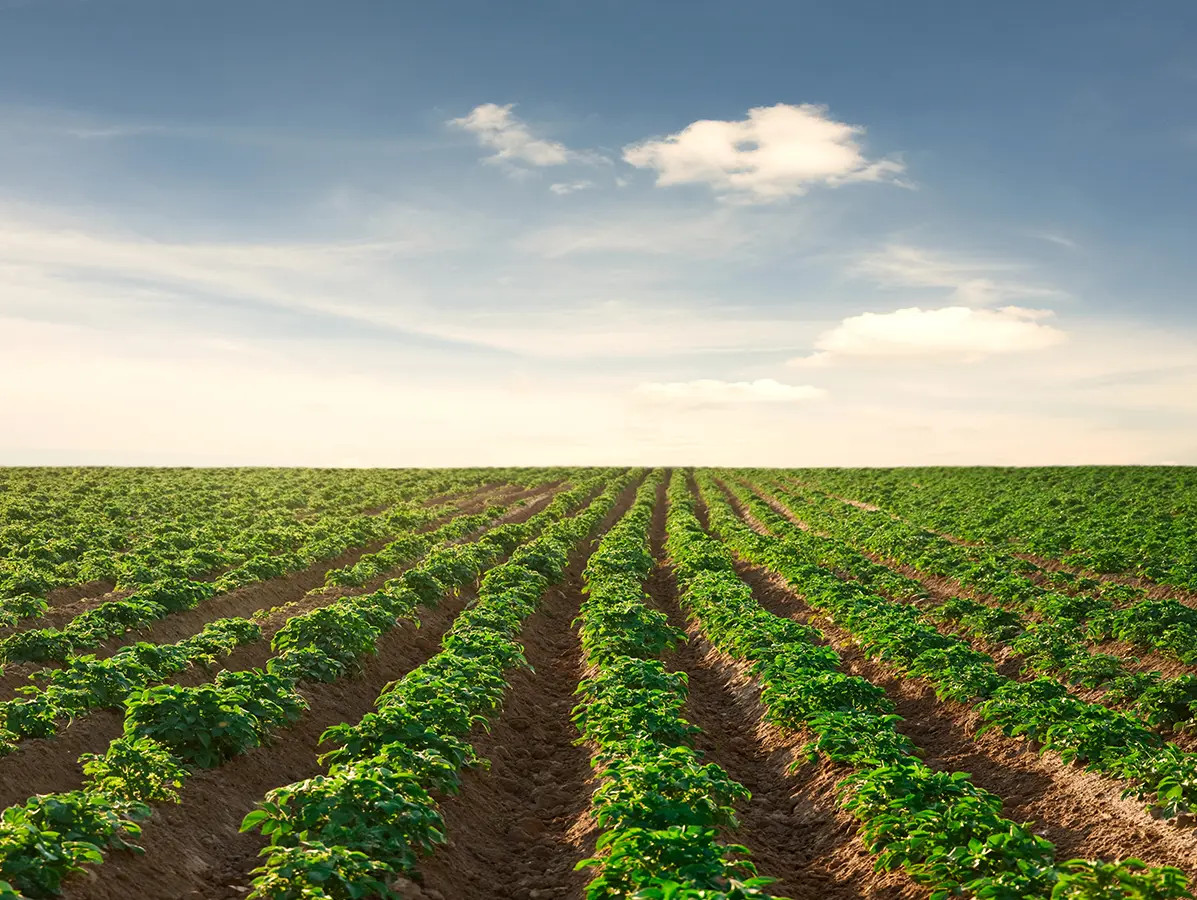
A strong international position is no guarantee of stability. The Northwest European potato supply chain faces risks on several fronts. Developments in the field affect processors and export markets further down the chain. RaboResearch assessed ten vulnerabilities across the supply chain. Pressure is mounting particularly at the production stage. This requires adjustments from growers, processors, and retailers.
Belgium, the Netherlands, France, and Germany together make up the EU4. In 2025, these countries cultivated more than 600,000 hectares of potatoes for consumption. This represents over 40 percent of the total European potato acreage. Drought and excessive rainfall are increasingly disrupting potato production. Since 2015, yields in the Netherlands have fallen below the long-term average more frequently. This average stands at 48.8 metric tons per hectare.
Diseases and pests also pose a growing risk. Phytophthora can reduce European yields by more than 40 percent. Alternaria can cause yield losses of 20 to 30 percent. Meanwhile, fewer active substances remain available for crop protection. Stricter nitrogen regulations also require growers to adjust. Several studies indicate that lower nitrogen use does not necessarily reduce yields. This requires fertilization to be better aligned with crop needs.
The EU4 exported approximately 5.6 million metric tons of frozen potato products in 2023. Growth slowed afterward. France continued to expand its exports. Volumes from the Netherlands, Belgium, and Germany stabilized or declined. Meanwhile, exports from China, India, and Egypt are growing. High labor and energy costs make efficient production increasingly important for European processors.
Export markets for the Netherlands and Belgium are relatively well diversified. No individual market outside the European Union and the United Kingdom represents more than 6 percent. Weight-loss medications also appear to have little impact for now. If 5 percent of the population uses these medications, the effect remains limited. If this group spends 10 percent less on fries, total demand would fall by approximately 0.5 percent.
Growers can invest in soil health, irrigation, and precision agriculture. Integrated crop protection and more efficient nutrient use also offer opportunities.
Processors can diversify their sourcing across several regions. They can also improve the efficiency of their production processes. RaboResearch also identifies knowledge sharing, joint investments, and risk sharing as important measures.
Source: RaboResearch
Magazine Voedingsindustrie has been made possible in part by:



© COPYRIGHT 2026 VOEDINGSINDUSTRIE | ALLE RECHTEN VOORBEHOUDEN
Powered by Wallbrink Crossmedia © 2026