Plastic that naturally breaks down in the environment—still sounds like science fiction. But progress is being made. Researchers in Leiden have identified an enzyme that enables bacteria not only to break down PET plastic but also to grow on it. Until now, that process was slow and inefficient. This finding could make things easier.
Ten years ago, scientists discovered that certain bacteria are capable of degrading plastic. Not quickly—but they managed. And that set a lot in motion. Since then, researchers have been looking for ways to speed up the process. Or to make use of the substances released along the way.
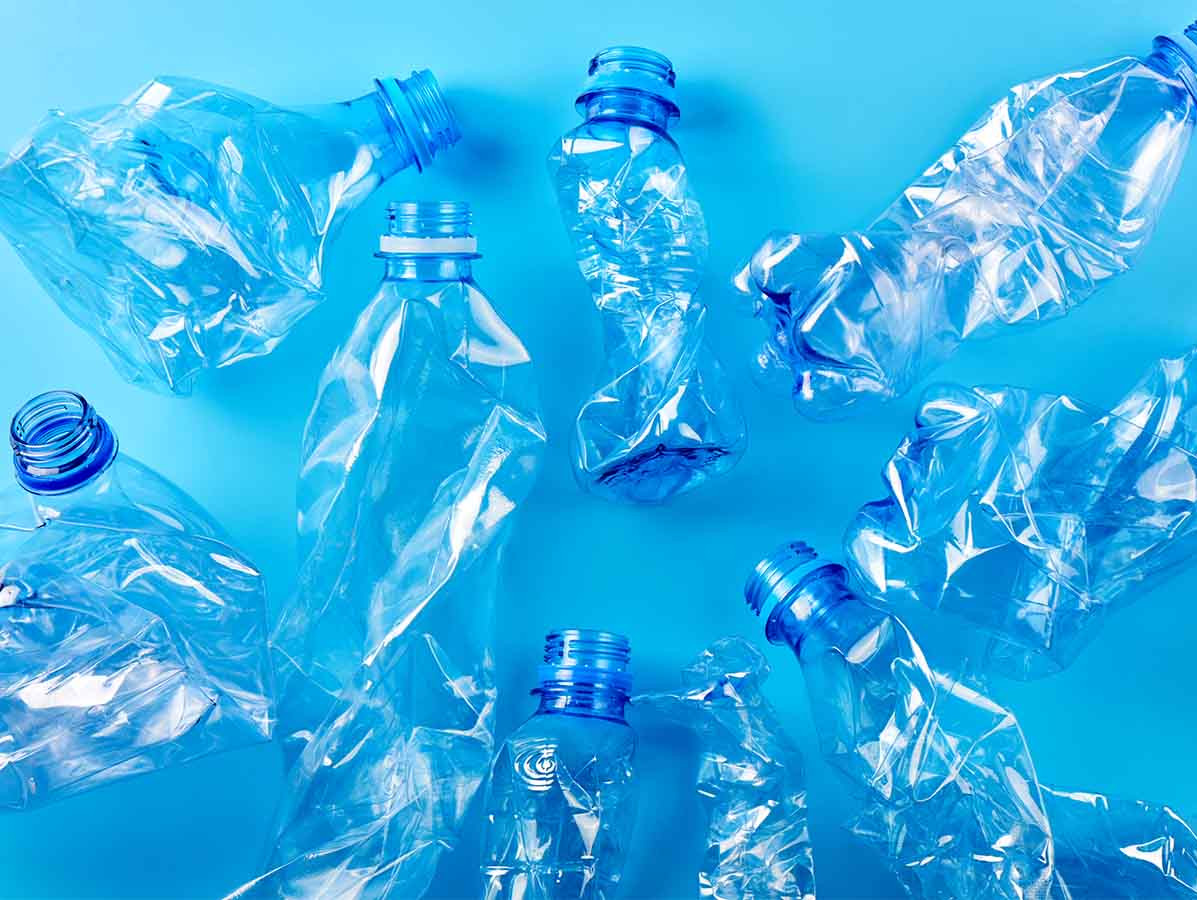
At Leiden University, microbiologist Lennart Schada von Borzyskowski and his team studied the bacterium Paracoccus denitrificans. It turns out this bacterium grows well on ethylene glycol, a compound released when PET breaks down. Think of the bottles used for soft drinks or food packaging.
Here’s an important detail: the bacterium does this using enzymes that rely on a common cofactor. “Enzymes have been studied before, but those only worked with a rare cofactor,” says Schada von Borzyskowski. And that makes a difference. If the cofactor is widely available, it makes the whole process much easier to apply.
The researchers didn’t use genetically modified bacteria. They wanted to find out what nature can do on its own. And it turns out, that’s quite a lot. The enzyme they identified may well be present in other bacterial species too. “It means we can take another look at all known bacteria,” says Schada von Borzyskowski.
It’s a first step, he says. But one with potential. In theory, you could turn a plastic component like ethylene glycol into just about any molecule you want. That’s already been done: researchers in Scotland recently managed to produce paracetamol from PET building blocks, using a regular bacterium with some lab adjustments.
For sectors where PET is widely used, such as the food industry, this kind of research could help close the loop on plastic waste. And maybe even turn it into something of value.
Source: Universiteit Leiden
Magazine Voedingsindustrie has been made possible in part by:



© COPYRIGHT 2026 VOEDINGSINDUSTRIE | ALLE RECHTEN VOORBEHOUDEN
Powered by Wallbrink Crossmedia © 2026