

Cooling and freezing are essential in the production, storage, and transport of food products. The use of synthetic refrigerants has been gradually reduced under European legislation since 2015. That phase-out has now accelerated. “The industry needs to act now,” warns Edwin Ernste, director of Celsis.
Many refrigeration systems still operate on traditional synthetic refrigerants (F-gases). These are refrigerants with a high GWP (Global Warming Potential). To protect the environment, a European regulation came into force in 2015 to gradually reduce the use of these fluorinated refrigerants. However, in 2024 a new F-gas regulation (2024/573) came into effect. New quotas have been agreed upon, leading to a faster phase-out of these refrigerants. In addition, as of January 1, 2030, existing cooling systems may no longer be refilled with a refrigerant with a GWP above 2,500.
“It’s suddenly moving very fast,” says Edwin Ernste of Celsis, advisor and supplier of refrigeration and climate technology. “The permitted production volume of F-gases was reduced to 24.3% in 2024. In 2027, this will drop to 12.3%. The fact that many companies in the food industry are not yet aware of this is evident from the continued demand for traditional F-gases. However, in anticipation of declining quotas, these are being produced less and less and replaced by low-GWP gases and natural refrigerants.”
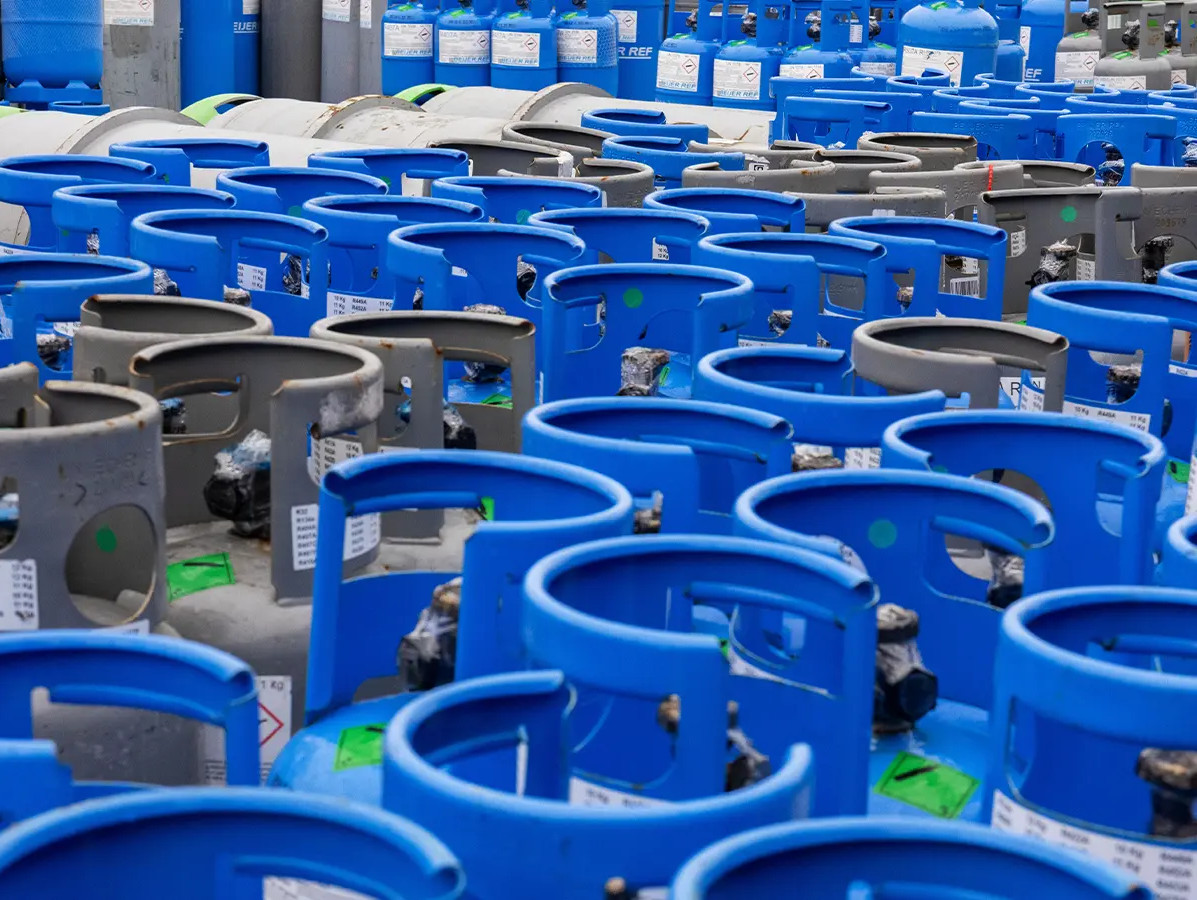
If demand remains high while supply decreases… prices go up. It’s the first lesson you learn in economics. “However, there will come a point when supply simply can’t keep up. On top of that, as of January 1, 2026, an additional tax is being imposed on refrigerants with a high GWP. The higher the GWP, the higher the surcharge per kilogram of refrigerant,” Edwin explains. Demand for natural refrigerants such as propane, ammonia, and CO₂ should increase much more rapidly than it currently is, but according to Edwin, you can’t just fill a refrigeration system with a different gas. Valves, evaporators, and compressors usually need to be replaced. And that takes time and costs money. Taking action now is therefore a smart move: to avoid coming to a standstill.
Instead of modifying an existing system, it can be far more attractive to install a new one: especially older refrigeration systems tend to use energy inefficiently. “A lower Total Cost of Ownership, higher efficiency, and the use of natural refrigerants ensure future-proof operations,” Edwin states. “In addition, a new system can be better aligned with your production process, make use of remote control capabilities, and be integrated into a building management system. This allows you to manage peaks and dips in energy consumption and offset them with, for example, solar power or battery storage. Given the rapid decline in the availability of synthetic refrigerants due to the accelerated phase-out, it’s important to make decisions now. From 2032 onward, for example, it will no longer be permitted to refill equipment with a refrigerant with a GWP above 750. Only recycled refrigerant or natural refrigerants will then be allowed.”
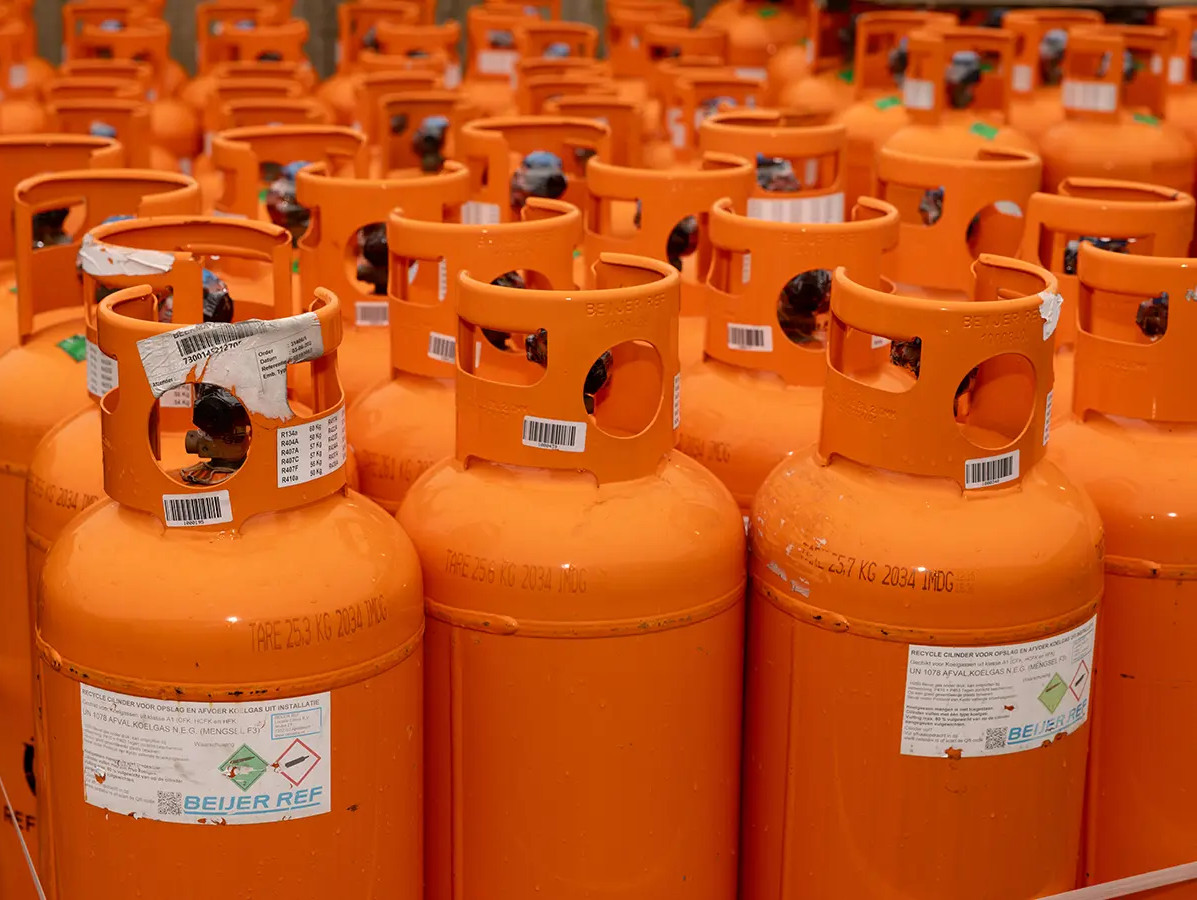
Another important change is the mandatory certification for working with natural refrigerants. As of September 29, 2025, new certification rules for technicians are already in place. For installation companies and businesses with their own refrigeration service teams, this means additional training. “There is a transition period,” Edwin explains. “Technicians with an F-gas certification who already work with alternative refrigerants and hold a professional competence certificate A, B, and/or C will remain certified until March 12, 2029. After that, they will no longer be certified. As of March 29, 2026, exams can be taken for new certifications, which will remain valid for seven years. So action is needed there as well, especially given the current shortage of technical employees. Bring in people now and train them.”
Every company in the food industry has unique cooling and freezing requirements. “These are always customized systems,” says Edwin. “Using natural refrigerants therefore also requires a tailored approach. We take our advisory role very seriously. For example, we organize a knowledge seminar four times a year. And every two weeks, we highlight specific aspects of refrigeration and climate technology in our Experience Center, such as natural refrigerants and their applications and implications. We regularly design and assemble refrigeration systems for applications in the food industry using natural refrigerants. In the meat industry, for instance, ammonia is widely used, while in the fruit and vegetable sector, CO₂ is often applied as the refrigerant. Every choice is linked to specific requirements for production, storage, and transport. Installers can of course always contact us for advice in this area.”
Photos: © Marcel van Engelenburg
Source: Vakblad Voedingsindustrie 2026
Magazine Voedingsindustrie has been made possible in part by:



© COPYRIGHT 2026 VOEDINGSINDUSTRIE | ALLE RECHTEN VOORBEHOUDEN
Powered by Wallbrink Crossmedia © 2026