
With the peak of barbecue season just behind them and the Christmas period fast approaching, things are busy at herb butter manufacturer LaBan. Fortunately, the company’s new ERP system is helping to make internal processes and customer communication smoother, smarter and faster.
Sunshine, a smoking barbecue, burgers, corn on the cob—and of course, baguette with herb butter. All essential ingredients for a successful BBQ, and that means suppliers of popular barbecue products are working at full capacity. “Summer, Christmas and Easter are our busiest times,” says Michiel Bakker, ICT specialist at LaBan Foods. The company, based in Bodegraven, produces herb butter, both for private labels and under its own Irish Glory brand. Their products are sold to retailers and foodservice channels in the Netherlands, Germany, Belgium and Scandinavia, among others. Michiel: “The company was founded in 1960 and started producing herb butter in 1993. Since 2014, we’ve also been making dairy butter. That’s now our biggest product—more than half of our annual production, around ten million kilos, is dairy butter.”
Other products in LaBan Foods’ range include cinnamon butter—made specifically for the US market—plant-based herb spreads, and 'Vegan Just Like Butter', a plant-based alternative to dairy butter. “Plant-based products still make up only about 2% of our production, but they’re definitely growing,” Michiel says. When he joined the company 12.5 years ago, butter prices were significantly lower than they are today. “The butter market is very volatile, so we make specific arrangements with our customers and suppliers. Because prices change so frequently, there are times when we don’t yet know the purchase price of butter at the moment we place an order. In theory, if we then forget to enter the price later, the butter could be booked at zero value. Our new ERP system solves that with a feature that automatically uses the current butter price.”
Another helpful feature is the way the system manages order processes. “Each customer and supplier has predefined settings in the system, including their standard product range. So whether it’s a purchase or a sales order, we immediately see what products are relevant. That helps us avoid mistakes—it’s very convenient.”
The main reason for moving to a new ERP system was the company’s desire to work in the cloud. “And we’d been using the same software package for nearly twenty years—it was time for a change.” That change came in the form of a partnership with Korpershoek FreshFood Solutions, a company based in Dordrecht that specialises in implementing the Business Central ERP system for the food, fresh produce and beverage sectors. Alec Linschooten, partner at the company, explains: “We develop additional features for Microsoft Dynamics 365 Business Central to tailor it specifically to the food industry. It’s crucial for food companies to work with an IT partner that not only delivers a solid ERP system but also understands the business. Our consultants have years of experience in this sector. They don’t just implement the software—they also help companies think ahead.”
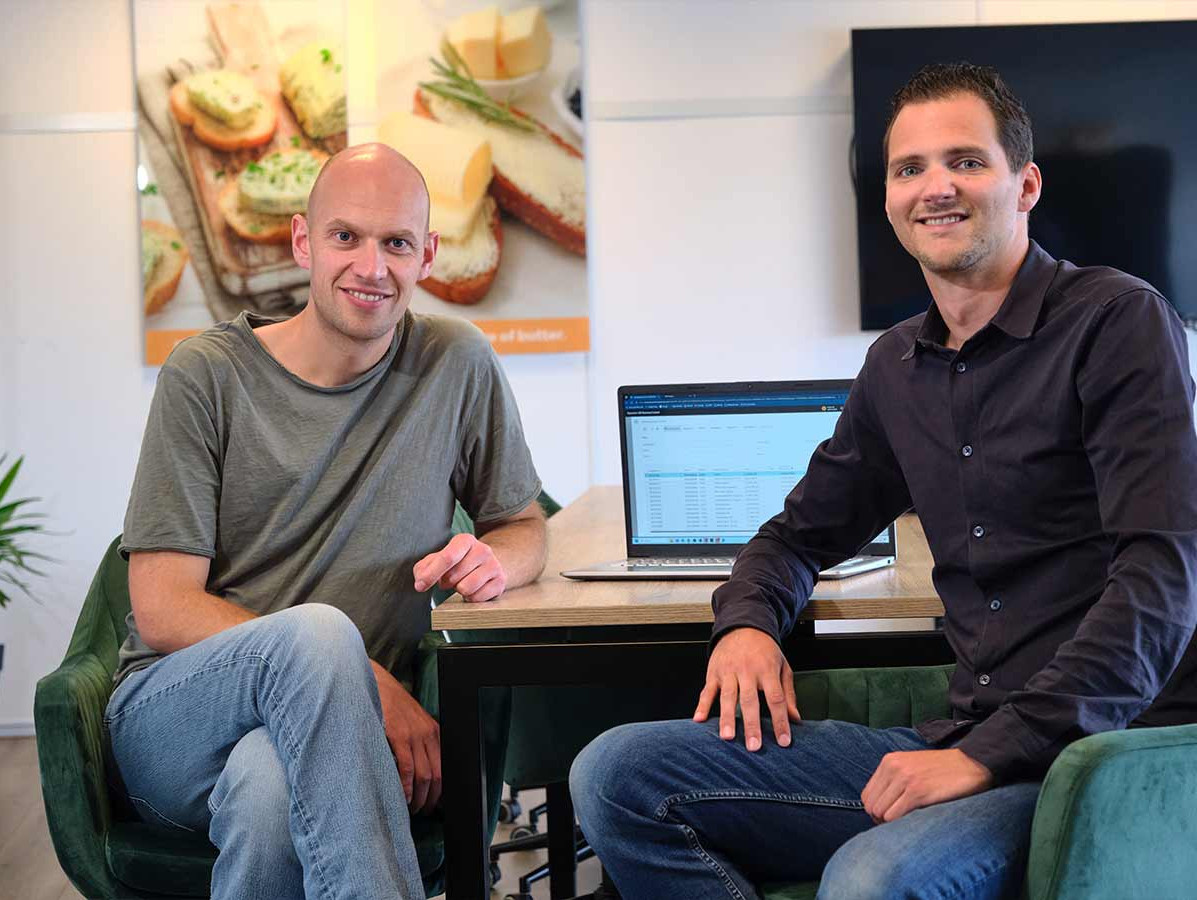
One process at LaBan that now runs much more efficiently is the monitoring of expiry dates. Michiel: “We supply herb butter to retailers with a ‘best before’ date of 60 days. The product must be delivered with at least 40 days left. The new system automatically blocks a batch if the expiry date doesn’t meet that requirement. We’ll sometimes call the customer to ask if 38 days would still be acceptable. During peak periods, that’s usually not a problem.”
The planning team is also benefiting from the Korpershoek FreshFood Solutions setup. Alec: “Storage space is limited at LaBan, so raw materials can’t be kept on site for too long—but they also need to have enough on hand. The ERP system helps to strike the right balance.”
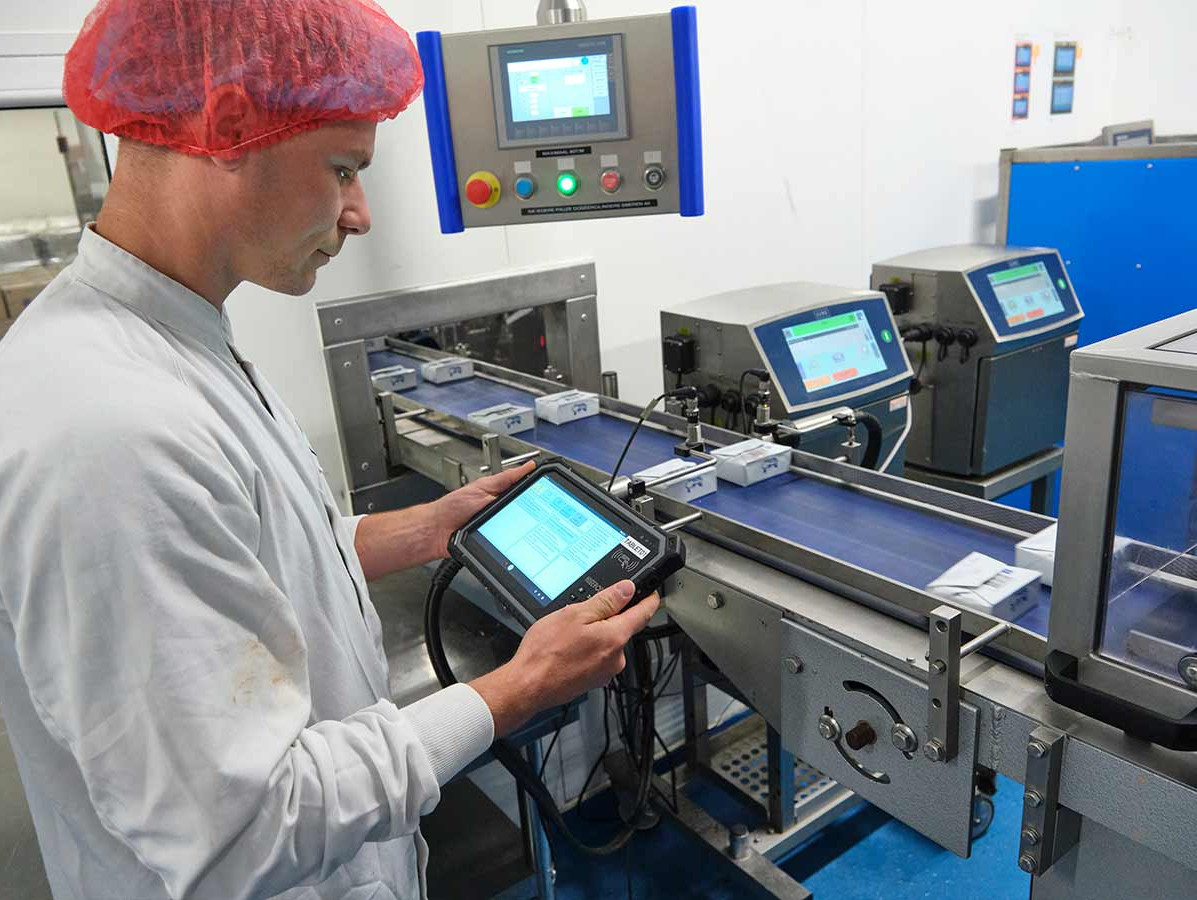
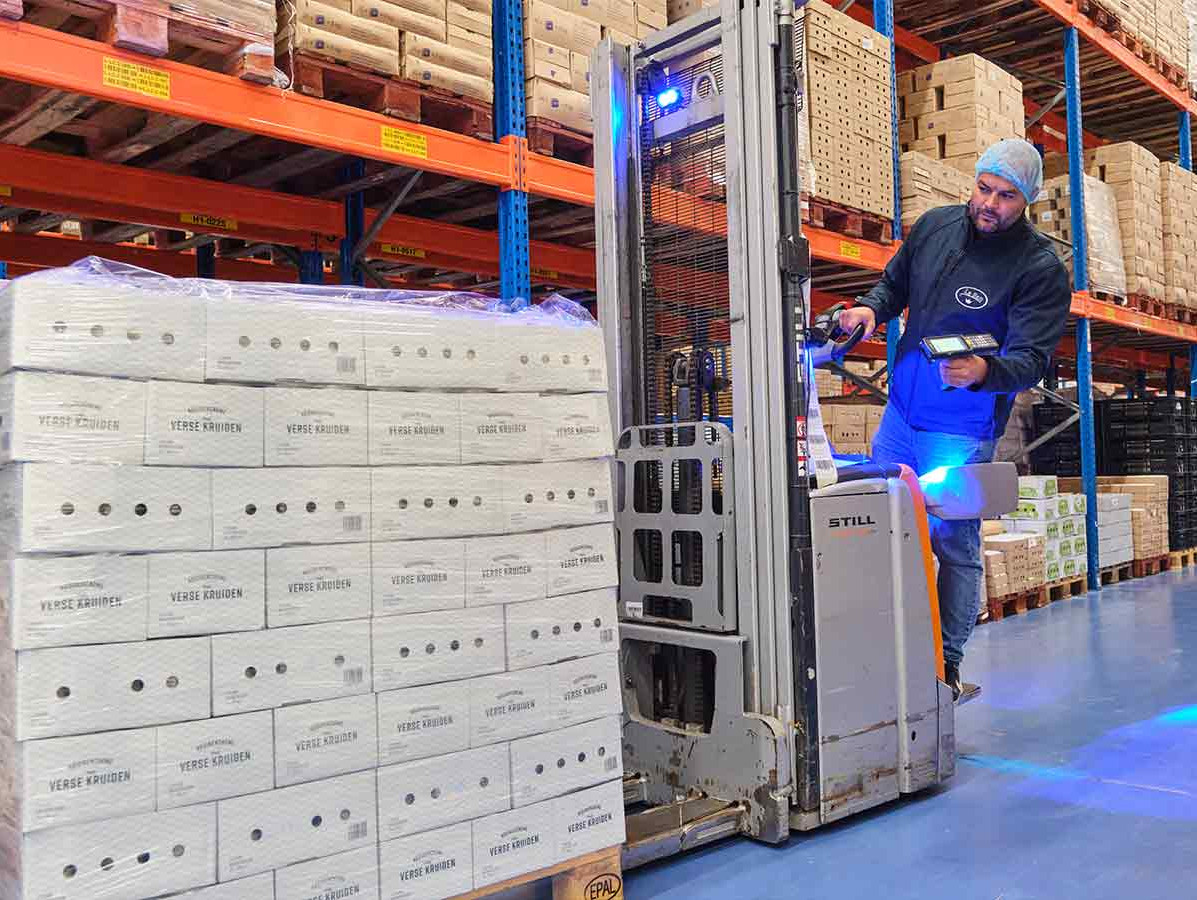
For some employees, the new process—particularly the increase in scanning—took some getting used to. “But they understand why it’s necessary. We log the full lifecycle of every batch of butter, so everything can be traced,” Michiel says, pointing to one of the fifteen production lines. On this line, tubs of dairy and herb butter in all shapes and sizes are coming off the belt. “With so many different types of end products, raw materials and semi-finished goods, working efficiently and accurately is essential. The system now also allows us to see exactly which ingredients were used in each batch of herb butter, including freeze-dried herbs.”
Later this year, LaBan will launch a new concept: hybrid butter, a blend of dairy and plant-based fats. Expectations are high, and retailers are already showing strong interest. Michiel: “We’ve managed to replicate the smell, colour, mouthfeel and melting behaviour of traditional dairy butter. A great achievement by our R&D team. This innovation fits perfectly with our expertise: blending butter with other ingredients. The product can help our customers meet their CO2 reduction targets, and because of the high price of butter, the retail price for hybrid butter is significantly lower. Since there’s no noticeable difference in taste or texture, we expect strong demand. Yes, this one is likely to make quite an impact.”
Photos ©Fred Libouchant
Source: Vakblad Voedingsindustrie 2025
Magazine Voedingsindustrie has been made possible in part by:



© COPYRIGHT 2026 VOEDINGSINDUSTRIE | ALLE RECHTEN VOORBEHOUDEN
Powered by Wallbrink Crossmedia © 2026