
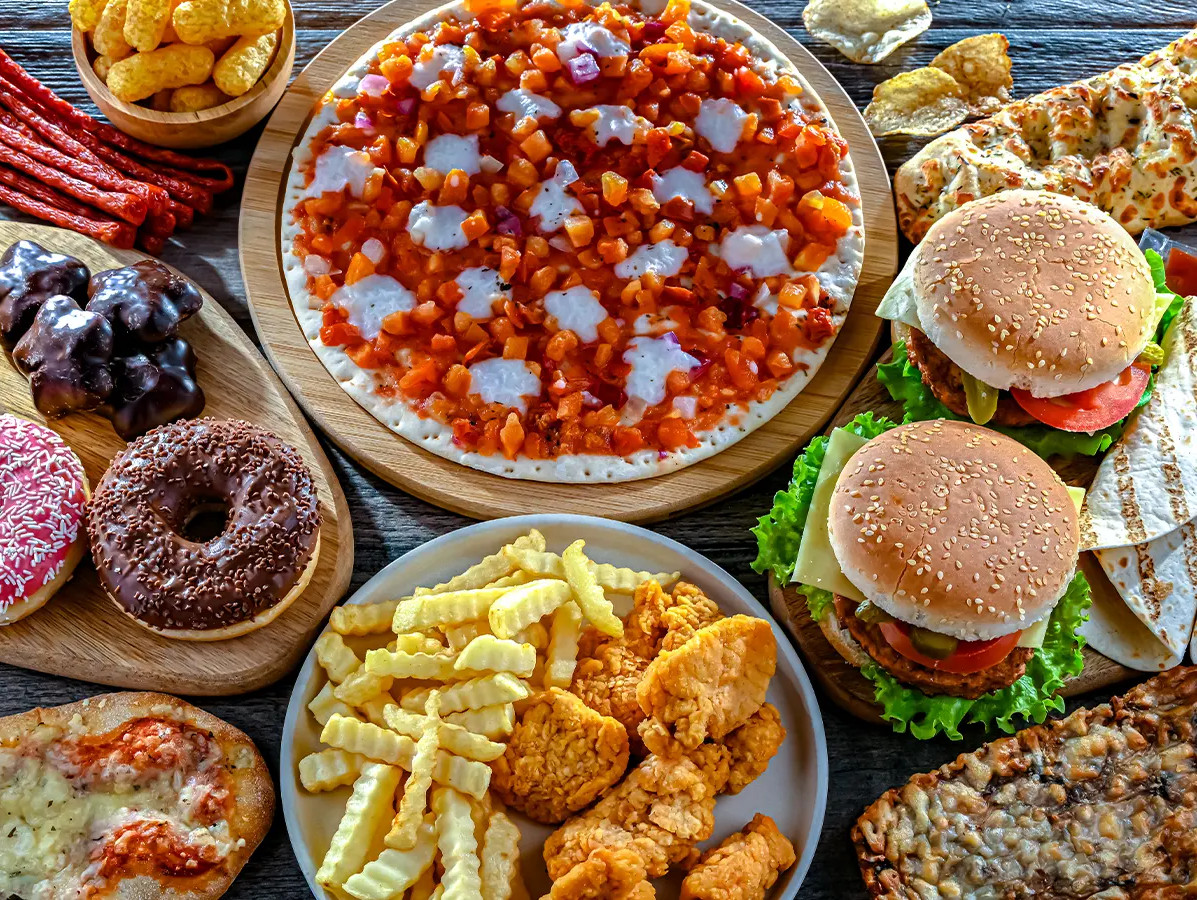
There is growing evidence that a high eating rate of energy-dense foods is associated with health risks. Multiple studies show that fast eating is linked to overeating and weight gain. Moreover, research indicates that softer high fat, sugar and salt (HFSS) foods are generally consumed at a faster rate than less processed products [1], which is considered an important cause of the negative health effects associated with high consumption of these products.
That fast eating is unhealthy is widely known. However, not only how someone eats, but especially what someone eats determines the eating rate. Food texture is by far the most important factor. Foods with a soft and fatty texture are easy to chew and swallow, which increases eating rate. If these foods are also energy-dense, this quickly leads to overconsumption. In the PPP SnackSense project, together with industrial partners, we aim to develop snacks that lead to earlier satiation but provide the same sense of fullness and satisfaction.
There is sufficient evidence that changes in food texture can lead to either higher or lower intake [2]. If someone eats 20% slower due to texture modifications, total intake decreases by around 10% [3]. In other words, satiation is reached earlier. This effect is driven by oral exposure, which sends signals to the brain. Longer or more intense exposure enhances satiation, meaning that smaller portions are sufficient. Longer pauses between bites also lower eating rate, but this appears to be less effective in influencing food intake. Smaller bites and more chewing have the strongest effect on inducing satiation.
Which textures contribute to a lower eating rate? Figure 1 illustrates this. For solid foods, hardness and chewiness increase chewing effort, lowering eating rate. Harder foods also lead to smaller bite sizes, since they require more mastication and oral processing. Smaller bites further reduce eating rate. Liquids, on the other hand, are consumed very quickly and generate little satiety, which is why caloric beverages pose a particular risk for overweight. For liquids, higher viscosity (thickness) and the addition of pieces can slow down consumption.
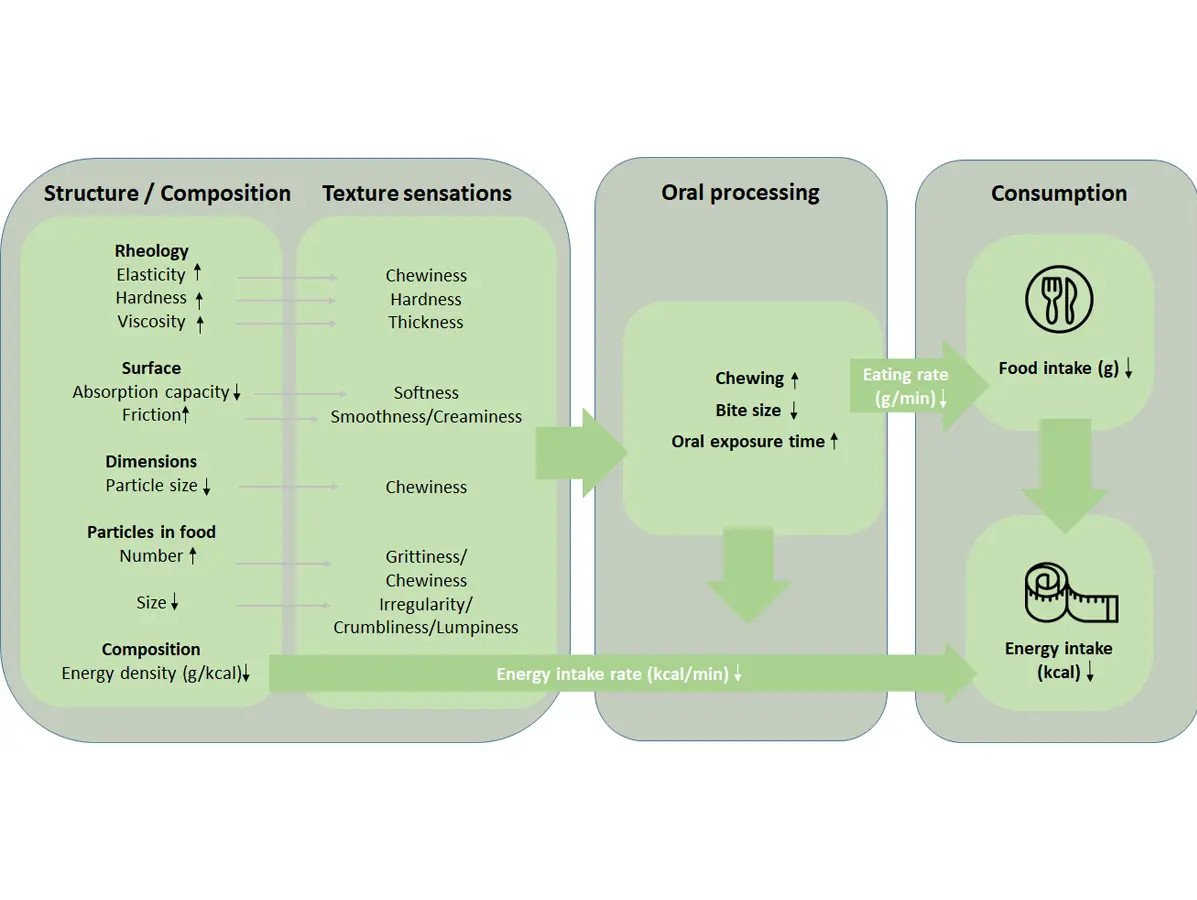
Figure 1 shows how different food textures affect oral processing and the consequences for food and energy intake, based on a systematic review [2].
Besides texture, food size and shape also play a crucial role. Contrary to common belief, smaller pieces are not always easier to eat; they actually reduce chewing efficiency per gram. Smaller pieces require more effort to form a swallowable bolus, which slows down eating and ultimately reduces intake. This has been shown for various snacks, as well as fruits and vegetables cut into smaller pieces. Offering snacks in smaller unit sizes generally results in smaller portion sizes compared to larger unit sizes. A smart product design could ensure that consumers automatically take smaller bites, reducing eating rate and increasing oral exposure per gram. There is also a cognitive effect: people unconsciously feel they have eaten more when they consume multiple small pieces instead of one large piece. This effect has been repeatedly demonstrated for snacks such as chocolate and cookies.
Most eating occasions consist of a mix of foods and textures, such as bread with toppings or a dinner meal with multiple components. Snacks also often combine textures, for example cookies with fillings, savoury snacks with dips, muesli bars or chocolate bars, cakes, etc. This makes it more complex to predict bite size, chewing effort, and eating rate. At the same time, this offers opportunities to lower the eating rate through small adjustments in multiple product properties, thereby influencing food intake.
A recent study investigated a meal with three components: penne pasta, carrot pieces, and tomato sauce [4]. Both the penne and carrots were tested in hard and soft versions, by cooking them for a short or long time. Results confirmed that softer components generally led to faster eating rates. The novel insight of this study was that the “total” eating rate of a meal is determined by the weighted average of the eating rates of its individual components. Each component contributes to the overall speed of consumption.
In this pasta study, the addition of tomato sauce increased eating rate by about 30%, independent of the hardness of the components. This aligns with other recent studies showing that sauces and dips generally increase eating rate by 20–30%. Sauces reduce the need for saliva to soften the food, meaning fewer chewing movements are required before swallowing.
To further understand texture and eating rate, we also studied various breads with and without spreads. Results showed that both texture (such as firmness and chewiness) and size of the bread slices significantly affect eating rate [5]. Thicker slices or bread rolls led to larger bites and a faster eating rate compared to standard slices. Adding butter also had a significant effect: less saliva was needed to soften the bread, which reduced chewing and allowed faster consumption [6].
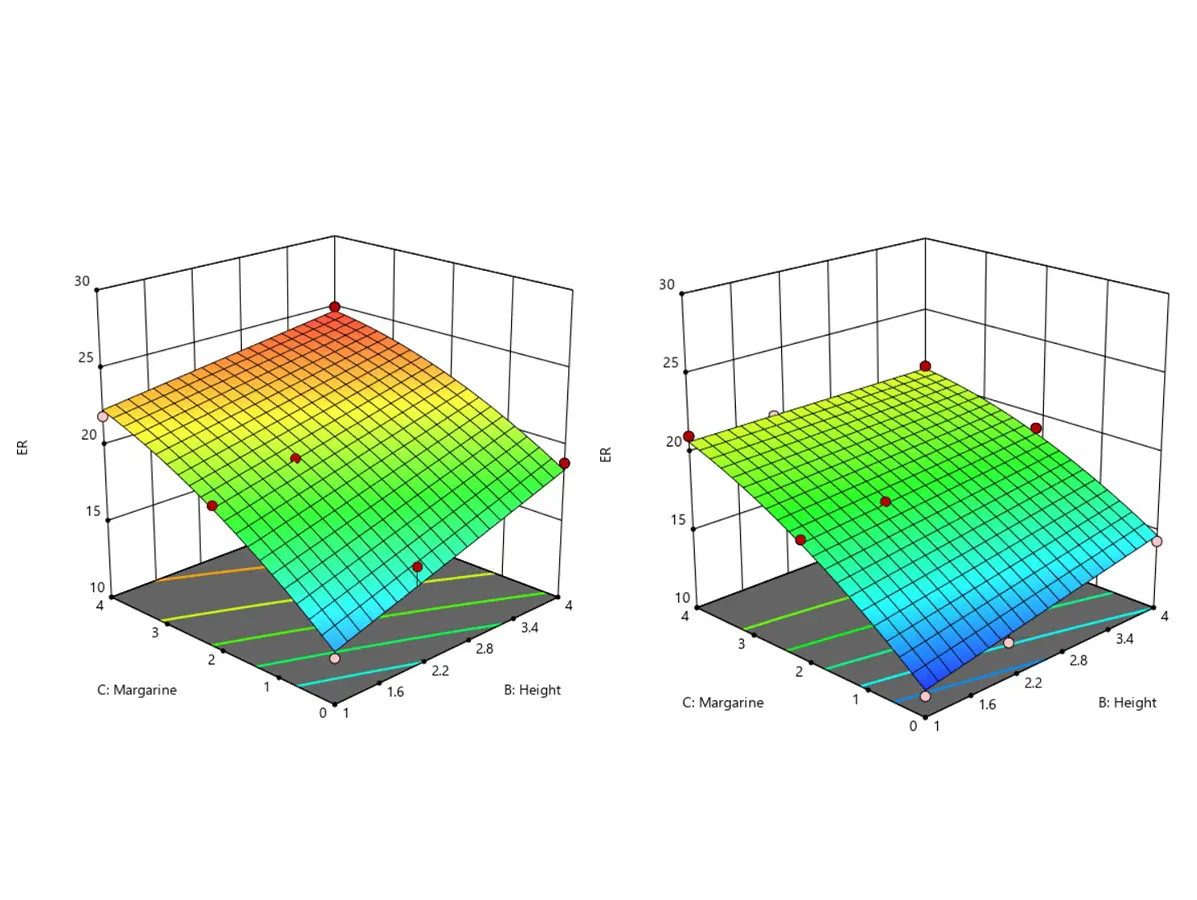
Figure 2 shows the eating rates (ER) of A sourdough bread and B whole wheat bread of different slice thickness (“height”), with different amounts of margarine, in a full-factorial design. Thicker slices increased eating rate, mainly explained by larger bites. Adding margarine also increased eating rate, mainly explained by fewer chewing movements.
Sources
1. Forde, C.G., M. Mars, and K. de Graaf, Ultra-Processing or Oral Processing? A Role for Energy Density and Eating Rate in Moderating Energy Intake from Processed Foods. Current Developments in Nutrition, 2020. 4(3).
2. Bolhuis, D.P. and C.G. Forde, Application of food texture to moderate oral processing behaviors and energy intake. Trends in Food Science & Technology, 2020. 106: p. 445-456.z
3. Heuven, L.A.J., et al., Consistent effect of eating rate on food and energy intake across twenty-four ad libitum meals. British Journal of Nutrition, 2024. 132(4): p. 535-546.
4. Heuven, L.A.J., et al., Al dente or well done? How the eating rate of a pasta dish can be predicted by the eating rate of its components. Food Quality and Preference, 2023. 108: p. 104883.
5. Heuven, L.A.J., et al., The eating rate of bread predicted from its sensory texture and physical properties. Food & Function, 2024. 15(24): p. 12244-12255.
6. Bolhuis, D.P., M. Dekker, and S. Renzetti, Spread it on thick? Relative effects of condiment addition and slice thickness on eating rate of bread. Food & Function, 2024. 15(7): p. 3838-3847.
7. Bolhuis, D.P., A. Wouters, and L.A.J. Heuven, Bread buns or slices? Variations of bread shape modifies ad libitum intake of bread and toppings. Food Quality and Preference, 2024. 115: p. 1-5.
Source: Vakblad Voedingsindustrie 2025
Magazine Voedingsindustrie has been made possible in part by:



© COPYRIGHT 2026 VOEDINGSINDUSTRIE | ALLE RECHTEN VOORBEHOUDEN
Powered by Wallbrink Crossmedia © 2026