
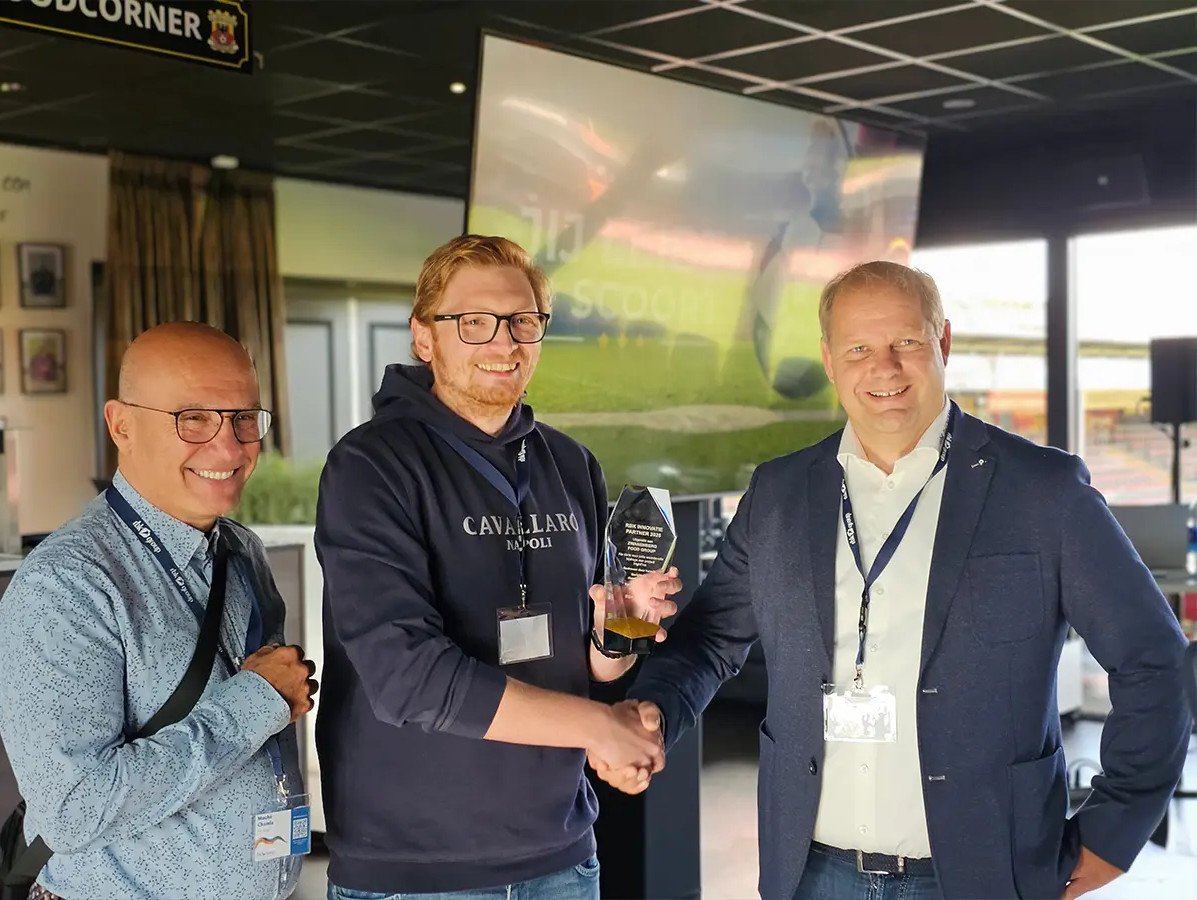
Food waste remains a persistent challenge in the food industry. A brand-new AI solution, developed within the European innovation program HighFive together with RBK Group and partners, supports operators with real-time advice. The result: less waste, plus the added benefits of greater efficiency and maintained quality.
Companies are constantly looking for smarter production processes. In practice, however, it’s often difficult to find time for a critical analysis of existing operations. “A company needs to produce. After all, without production there’s nothing to sell. That makes it hard to create room for optimisation,” says Moché Chamla, HighFive project leader at RBK Group. With years of experience in the industry, he knows better than anyone the challenges that come with implementing an ERP/MES system in food companies. Yet according to him, the return on investment can be significant when businesses do choose to optimize. “By automating and optimising processes, you can increase output while maintaining the required quality standards. At the same time, you reduce losses, rework, and give-away. That results in considerable savings on production costs.”
Within the HighFive program, 33 companies collaborate to help European food producers — from meat and fish to fruit, vegetables, and snacks — produce more sustainably. For RBK Group, this represents a clear opportunity: driving innovation by focusing on the application of artificial intelligence in the production process. The project focuses on capturing process data with precision. A software algorithm analyses and interprets this data, advising operators on how to prevent waste and safeguard quality. Moché emphasises that it’s precisely the combination of FOBIS software and consultant expertise that makes the difference. “Throughout my career in the food industry, I’ve worked with all ERP/MES packages from the major software vendors. The flexibility of our software, combined with our practical, solution-driven advice, is a real advantage for food companies.”
A good example comes from the production of fresh meat products. Products such as roast beef often need to be produced and delivered on the same day. Raw materials are purchased weeks in advance, and the planning is set. On the day itself, everything has to come together. “An ERP/MES system must support this seamlessly. Our solution makes it possible to align purchasing, planning, and production more efficiently — this is essential, especially in times of staff shortages and high quality demands.” The AI application also offers opportunities in dry sausage production. At Zwanenberg Food Group’s site in Vlagtwedde, a pilot is currently running to test the algorithm’s ability to reduce waste in this traditional process.
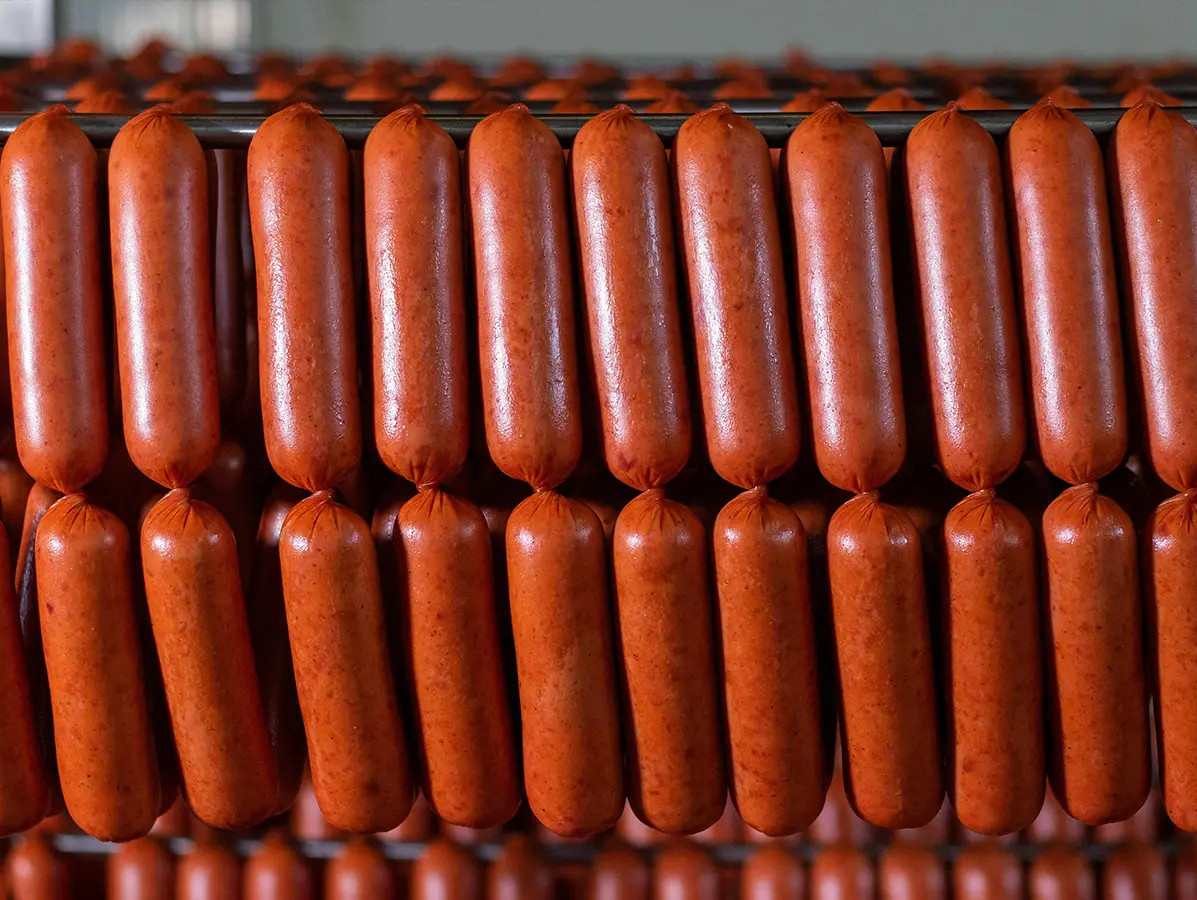
“During drying, sausage dough loses weight. Operators therefore tend to fill each casing with a little extra dough to stay safely above the required quality threshold. Say you need 100 grams but add 102 grams just to be sure. If the final product weighs 52 grams, you’ve effectively given away 2 grams. Over a year, that adds up to major losses,” Moché explains. “The algorithm connects historical data — such as raw material processing information — with real-time data, including humidity, fat content, salt, and pH levels. Based on this, the software provides specific recommendations, so operators know exactly how much dough is needed to avoid waste without compromising quality.”
The strength of the AI solution lies in translating data into useful advice. While traditional systems mainly record data, the new approach assists operators directly in making decisions. This not only increases efficiency but also helps preserve valuable know-how. In a sector where experienced staff are becoming scarce, that’s an important advantage. Moché: “An ERP/MES system collects huge amounts of data. The algorithm ensures that both historical and current data are transformed into clear recommendations. That way, we support operators and make sure decisions are based on facts.”
According to Moché, the first step shouldn’t be too big. “It’s important to start small. Focus on one product group or process line first. That reveals the potential gains and builds confidence.” For producers looking to use AI, working with the right partner is crucial. RBK Group provides not only the software but also consultancy and service. “We go so far that customers often say we feel like part of their own company. That’s exactly our approach: thinking along with them. Together towards a sustainable future — with smart solutions. You lead, AI scores!”
The HighFive project shows that artificial intelligence can help operators reduce waste while optimising processes. The pilot at Zwanenberg demonstrates that even a few grams per product can have a major impact on costs and efficiency. “This is an opportunity for all food companies,” Moché concludes. “Small steps can achieve great results.”
Source: Vakblad Voedingsindustrie 2025
Magazine Voedingsindustrie has been made possible in part by:



© COPYRIGHT 2026 VOEDINGSINDUSTRIE | ALLE RECHTEN VOORBEHOUDEN
Powered by Wallbrink Crossmedia © 2026