
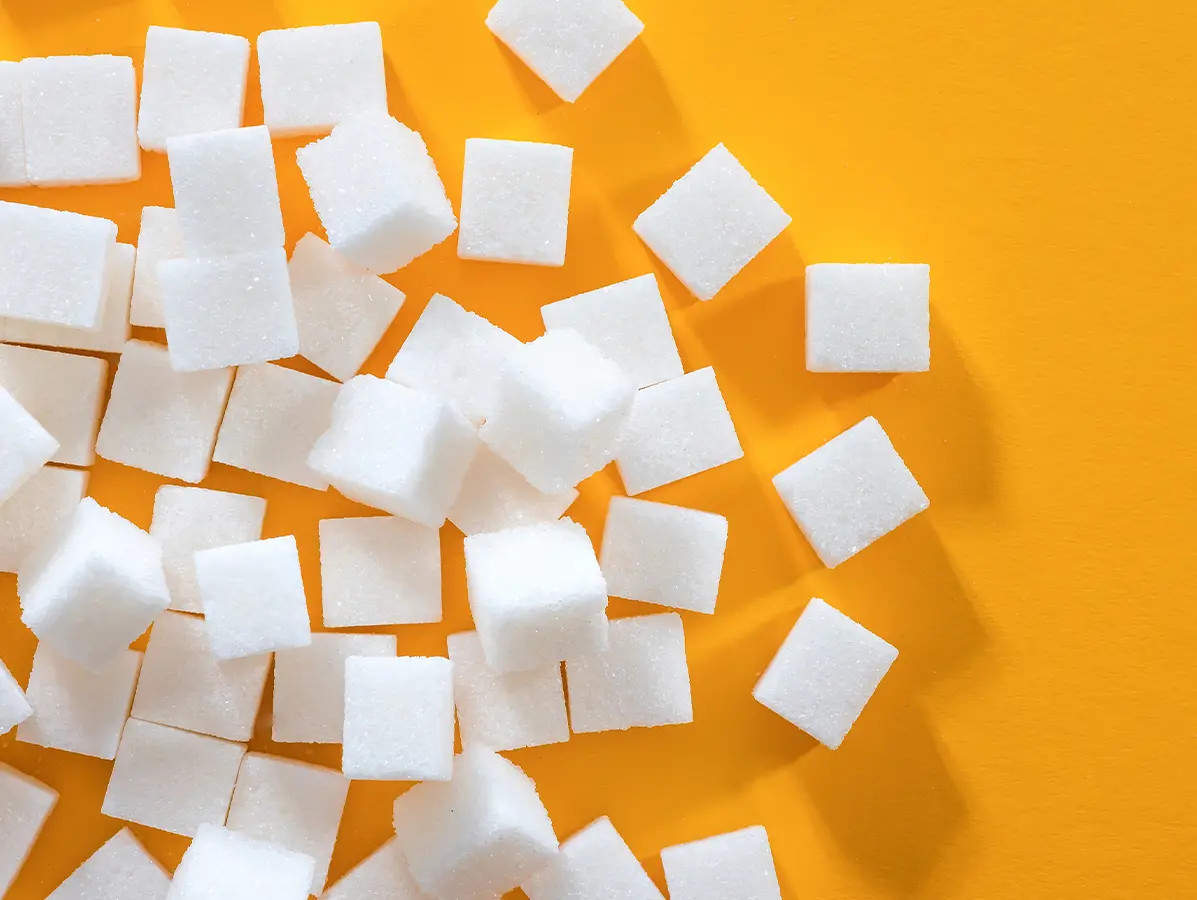
A tax designed to reduce sugar consumption while generating substantial revenue sounds straightforward. In practice, it is far more complicated. Food manufacturers must also consider product formulations, labels, inspections, and administrative burdens. Defining which product categories fall under the tax raises further questions. PwC reviewed the proposed options on behalf of FNLI. None achieves every objective without significant uncertainties and drawbacks.
Starting in 2030, the tax must generate €900 million annually. This amount comes on top of the existing consumption tax. That tax generated a total of €633 million in 2025. According to PwC, the health and budgetary objectives are difficult to reconcile. Lower sugar consumption and product reformulation would reduce the tax base. Government revenue could therefore also decline.
A tiered rate structure aligns most closely with the health objective. Products containing more sugar would face a higher tax rate. This could encourage manufacturers to reformulate their products. However, such a system would create high administrative burdens and fraud risks.
Companies would need to determine each product’s total sugar content. Every product would then need to be assigned the correct tax rate. Minor adjustments could move a product into a lower tax bracket.
A tax on added sugar would also be difficult to monitor. Added sugar is not listed separately on nutrition labels. Taxing sugar as a raw material would also create opportunities for substitution. Manufacturers could use honey, syrups, and fruit juice concentrates instead.
Exemptions and the definition of product categories would create other problems. Similar products could consequently be taxed differently. This would introduce practical difficulties and legal risks. Simpler options would be easier to implement but less closely aligned with the health objective.
According to FNLI, a broad sugar tax would make groceries more expensive. RaboResearch previously calculated potential price increases for certain products. These products could become 10 to 20 percent more expensive.
Larger price differences with Belgium and Germany could make cross-border shopping more attractive. According to FNLI, the potential scale of this effect remains unclear. It could negatively affect businesses in border regions.
Source: FNLI
Magazine Voedingsindustrie has been made possible in part by:



© COPYRIGHT 2026 VOEDINGSINDUSTRIE | ALLE RECHTEN VOORBEHOUDEN
Powered by Wallbrink Crossmedia © 2026





