
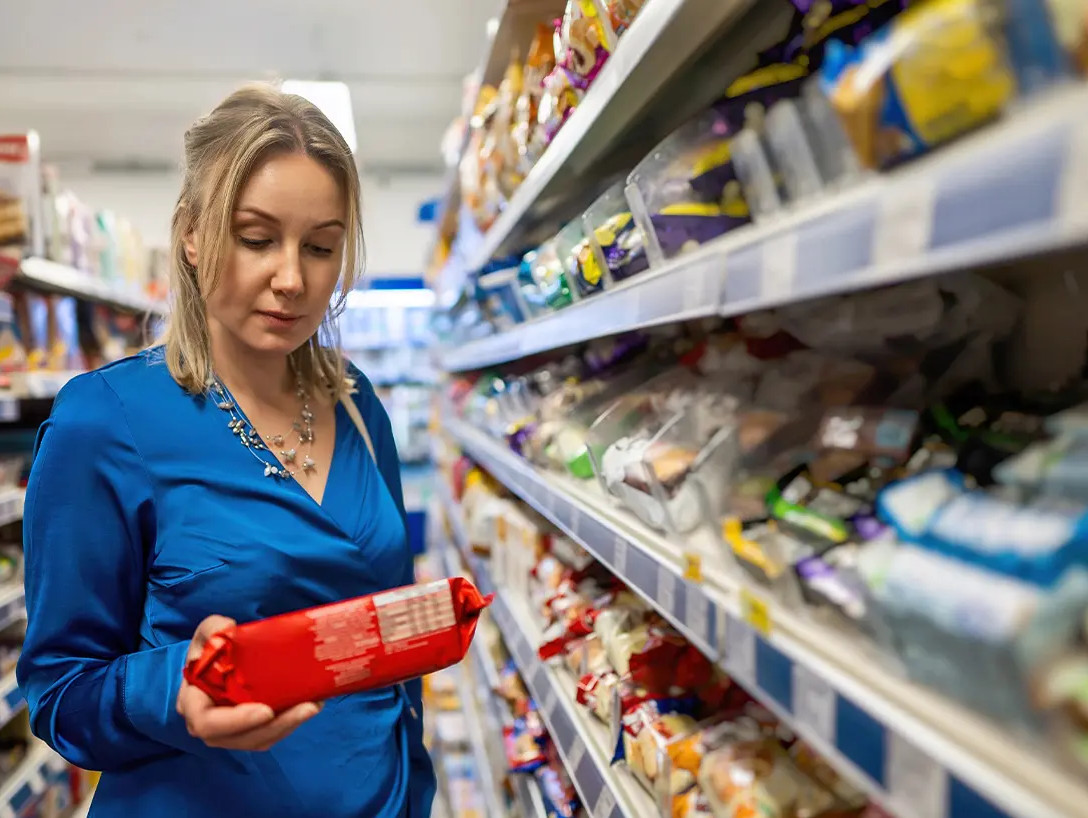
A new sugar tax is putting supermarkets on edge. The government intends to introduce a levy from 2030 on pre-packaged foods containing more than 6% sugar. That currently affects nearly one in five supermarket products. The measure is expected to generate €850 million annually. Including implementation costs and VAT, that figure rises to approximately €1 billion.
The new tax comes on top of the existing levy on soft drinks. That already generates around €700 million per year for the government. Producers will also be responsible for €50 million in annual implementation costs. In addition, 9% VAT will be applied to the total amount.
Total supermarket food sales are projected to reach €45 billion in 2030, based on average annual inflation of 2.5%. An additional €1 billion in taxes translates into at least 2 percentage points of extra price inflation. The supermarket channel will bear most of that impact, as pre-packaged food is primarily sold there.
Products containing more than 6% sugar will see significant price increases. This includes confectionery, cookies, chocolate, ice cream, and sweet spreads. In 2025, these categories generated €4.7 billion in consumer sales combined. Other partially affected categories accounted for another €1.7 billion, while non-alcoholic beverages represented €3.5 billion in sales.
The final taxable base is estimated at between €5 billion and €10 billion. That implies price increases of at least 10%, potentially moving closer to 20%. These calculations assume a flat-rate tax and full pass-through to consumers. The 6% threshold cuts across product categories, and many products also have a ‘light’ version. Producers are therefore likely to reformulate to remain below the threshold.
The tax has been formally embedded as a fiscal target in the coalition agreement. Revenue generation appears to be the primary objective, with health gains as a secondary goal. Previous price increases have shown limited volume responses. Chocolate prices rose 50% over five years, while volumes declined by only 10%. For licorice and cookies, prices increased by 35%, while volumes fell by 3%.
In countries such as France and the UK, soft drink taxes have reduced sugar intake, partly due to reformulation. A sugar tax on solid foods is less common in Europe. Denmark is phasing its version out due to cross-border purchasing effects. Many details of the Dutch proposal remain unclear, and the precise scope will ultimately determine the impact.
Source: Rabobank
Magazine Voedingsindustrie has been made possible in part by:



© COPYRIGHT 2026 VOEDINGSINDUSTRIE | ALLE RECHTEN VOORBEHOUDEN
Powered by Wallbrink Crossmedia © 2026