
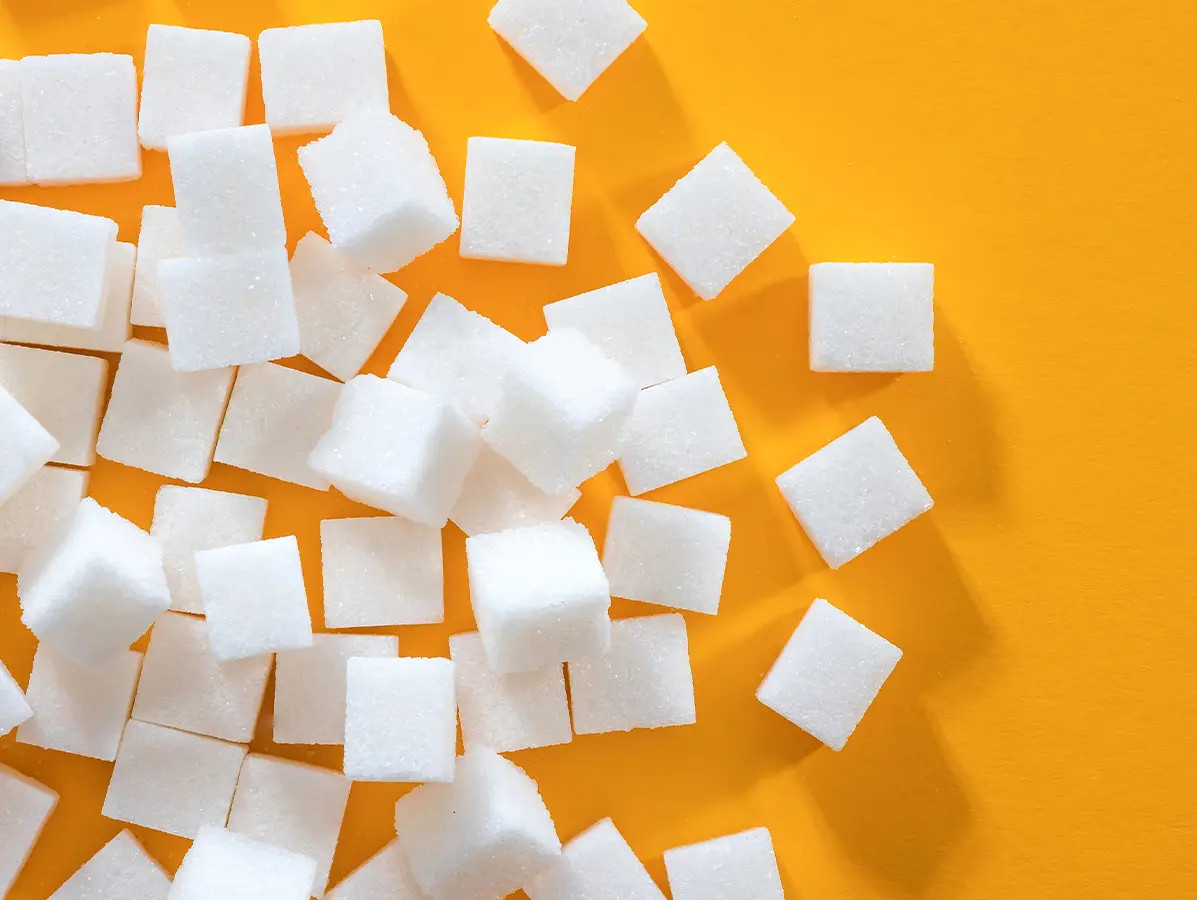
The Dutch government is working on a sugar tax for food products and a new levy on non-alcoholic beverages based on their sugar content. The measures are intended to reduce sugar consumption. FNLI warns of higher costs, additional regulatory burdens, and increased cross-border shopping. At the same time, research shows that many Dutch consumers support taxes on products with high sugar content.
The government aims to introduce a sugar tax on food products from 2030 onward. In addition, the current excise-style consumption tax on non-alcoholic beverages is set to be replaced by a tax linked to sugar content.
According to the government, this could encourage manufacturers to adjust their recipes. It also expects consumers to choose products with less sugar more often. The proposed sugar tax on food products is expected to generate a structural annual revenue of €900 million.
As the plans are further developed, the government is examining several options. Health effects, practical implementation, and administrative burdens are key considerations.
FNLI supports the importance of a healthier diet and reducing obesity. However, the federation opposes a broad sugar tax on food products. According to FNLI, it has not been demonstrated that such a measure leads to lasting health benefits or effectively contributes to reducing obesity. At the same time, the organization expects higher food prices for consumers.
FNLI also points to the potential shift of purchases to Belgium and Germany. In addition, the federation highlights risks related to the implementation of the tax. It specifically refers to differences between packaged and unpackaged products. For example, a packaged cake could be taxed, while a similar unpackaged product would remain outside the scope of the levy.
Research conducted by Motivaction shows that 54 percent of Dutch consumers consider it important for foods and beverages with high sugar content to be taxed more heavily. When the revenue is used to improve public health, that figure rises to 56 percent.
In addition, 69 percent believe the sugar tax should apply to both food and beverages. At the same time, 40 percent expect to buy products across the border more often if prices increase. Another 44 percent believe that lower-income households could be affected relatively more by a sugar tax.
Source: FNLI, Motivaction, Rijksoverheid
Magazine Voedingsindustrie has been made possible in part by:



© COPYRIGHT 2026 VOEDINGSINDUSTRIE | ALLE RECHTEN VOORBEHOUDEN
Powered by Wallbrink Crossmedia © 2026