
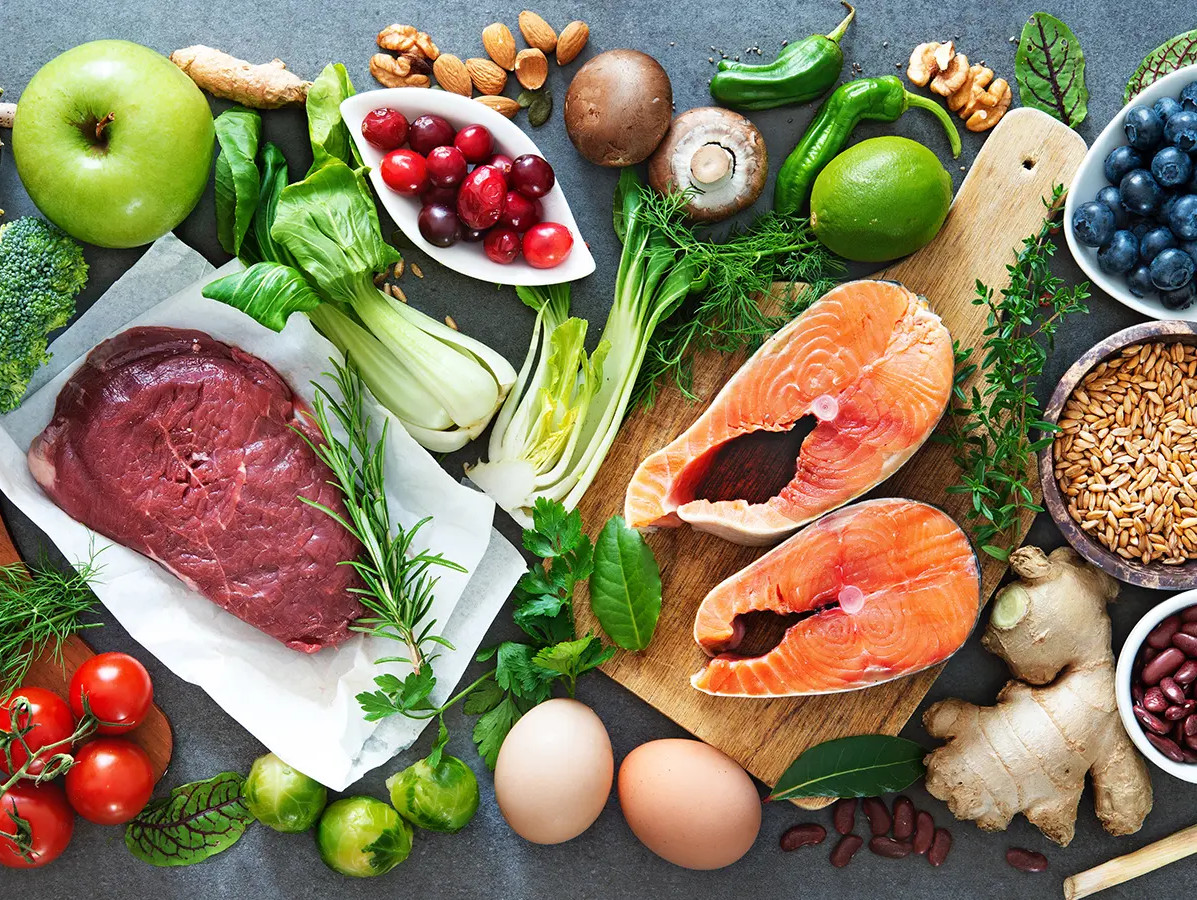
Healthy food is still far from affordable for everyone worldwide. According to FAO, nearly three billion people cannot afford a healthy diet. This is not because the world produces too little food. The high price of nutritious products is a major factor. FAO links affordability to how food chains function.
Food prices determine what ultimately ends up on people’s plates. When healthy products are too expensive, people are more likely to choose cheap calories. Staples such as grains and tubers are often relatively affordable. A varied diet generally requires more expensive products. These include fruit, vegetables, nuts, legumes and animal-source foods.
FAO uses the Cost of a Healthy Diet indicator for this. It calculates the lowest cost of locally available products. Together, those products must fit within a healthy dietary pattern. It is not intended as personal nutrition advice. The indicator mainly tracks the affordability of healthy food.
Costs vary widely by region. North America, Europe and Oceania have the lowest average costs. According to FAO, this is partly due to cheaper staples and animal-source foods.
Latin America and the Caribbean have the highest costs. Vegetables place a particularly heavy burden on budgets there. In Africa, animal-source foods, such as meat and dairy, weigh relatively heavily. Landlocked developing countries face an added disadvantage because of their location. Food often has to be transported through other countries. As a result, import logistics costs can be 79 percent higher.
For the food industry, the relevance lies mainly beyond the farm gate. FAO cites transport, storage, processing, market information, cold chains and reduced food loss. These links also help determine what consumers pay for perishable, nutritious products.
FAO calls for measures that increase supply and reduce chain costs. These include research, irrigation, roads and cold chains. Trade policy, subsidies, competition and regulation also play a role. Broad subsidies for cheap staples are not enough, according to FAO. Support should mainly go to nutritious products with high costs.
Source: FAO
Magazine Voedingsindustrie has been made possible in part by:



© COPYRIGHT 2026 VOEDINGSINDUSTRIE | ALLE RECHTEN VOORBEHOUDEN
Powered by Wallbrink Crossmedia © 2026