
I love adventure and pushing boundaries. I love soaking up knowledge and finding new things. My urge to explore unfortunately comes with risks. Dangers that are sometimes barely visible to the naked eye — if at all.
Take the bedbug. This tiny parasite is doing remarkably well, also in the Netherlands. Its thriving is largely due to the rise in international travel and the trade in second-hand goods. They hitch a ride in luggage, clothing and furniture. During my Camino walk, every hiker was on high alert for this creature. And at the mere thought of them crawling into my sleeping bag liner, I started itching. Ugh. Their presence does not automatically point to poor hygiene; they simply find fewer cosy hiding spots in a tidy, clean environment. So should we just stay home to keep out of the danger zone?
Hmm. As a parent of a student living away from home, I face considerable risks even in my own house. For example, the risk of contracting scabies. Adult children with parents in a nursing home — and anyone with close family in residential facilities with many occupants — run that risk too, because scabies mites are popping up more frequently in the Netherlands (and then quickly burrow under your skin, causing terrible itching). The disease is wrongly associated with a lack of personal hygiene. Extensive hygiene measures do play a crucial role in the treatment; and that treatment is fairly complex. “Effective control requires a very thorough approach. Language barriers, misdiagnoses and shame make that difficult,” the GGD reports.
It’s not just parasites (and me) that enjoy travelling and walking; all kinds of fungi and bacteria are also steadily on the rise. There is, for instance, an increase in Salmonella Enteritidis in the Netherlands. I’m facing a considerable risk, because eggs are an important source of contamination — and I love eggs. Just like soft cheese. Until last summer, when reports from Belgium and France startled me: food infections caused by Listeria monocytogenes in soft cheeses — sometimes with fatal consequences. I’m not that adventurous.
The threat of outbreaks caused by parasites, fungi and bacteria is increasing. The control measures against them are consistently highly complex; that calls for a multidisciplinary approach to hygiene. I know that language barriers, shame, incorrect or late diagnoses, lack of funding and misplaced priorities can all obstruct such an approach. Fortunately, these are aspects that are visible to the naked eye of alert plant and quality managers.
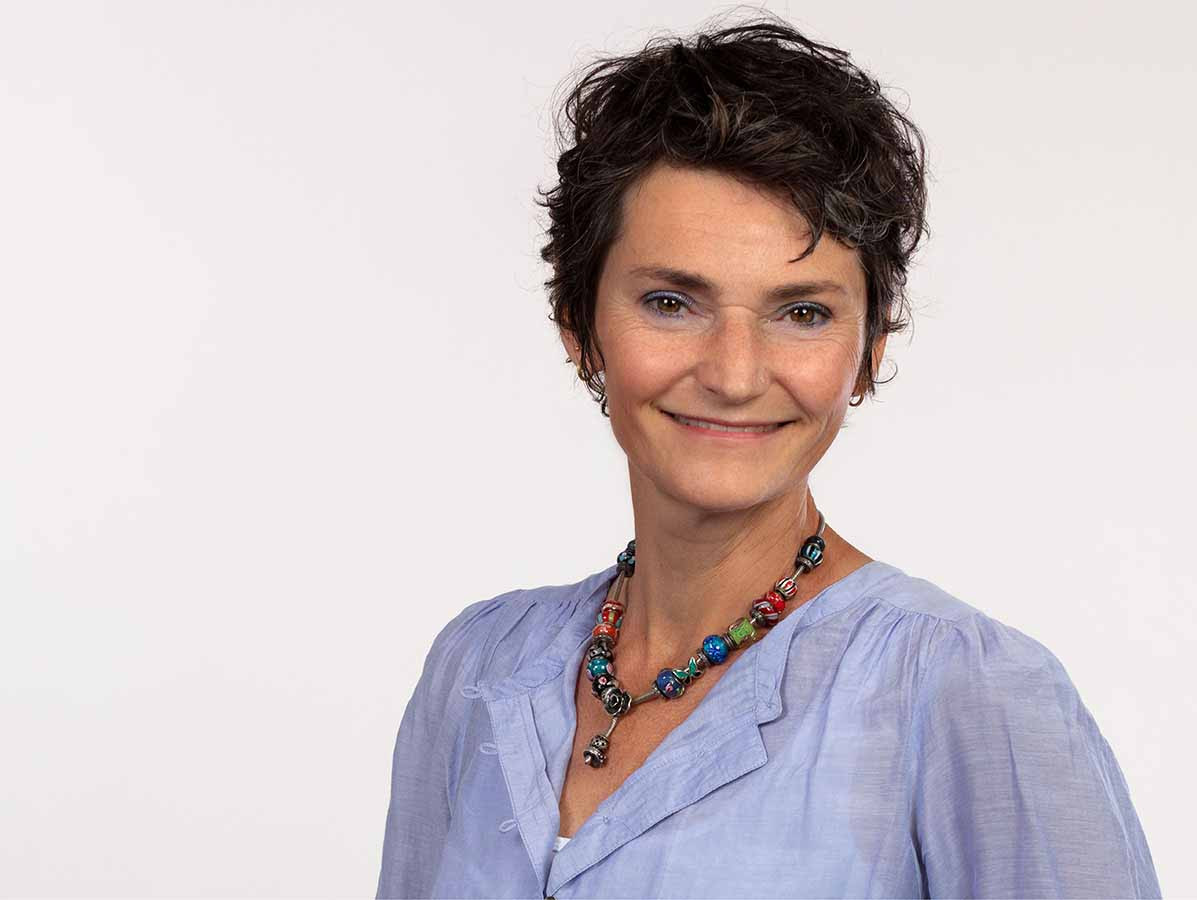
Judith Witte
[email protected]
Source: Vakblad Voedingsindustrie 2025
Magazine Voedingsindustrie has been made possible in part by:



© COPYRIGHT 2026 VOEDINGSINDUSTRIE | ALLE RECHTEN VOORBEHOUDEN
Powered by Wallbrink Crossmedia © 2026