
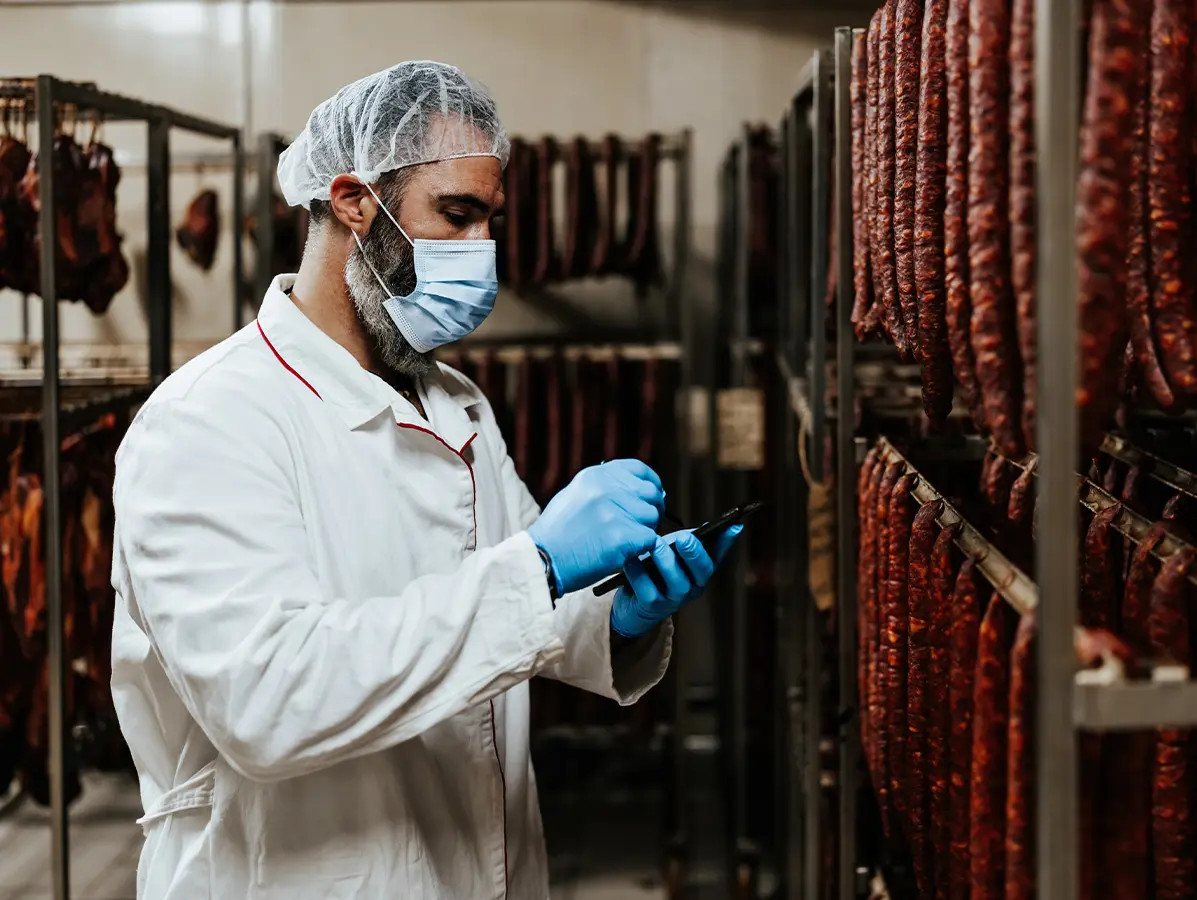
BRCGS has updated the 2026 Meat Supply Chain Module. The new version applies to audits starting September 1, 2026. The changes clarify the scope, traceability, and supplier approval requirements. Testing, training, and species control requirements have also been further defined. The module’s original purpose and structure remain unchanged.
A new appendix shows which establishments fall within the module’s scope. BRCGS also provides greater clarity on which activities are excluded.
The module is not intended for standalone slaughterhouses. This applies when they only process animals slaughtered on site. Meat derivatives, such as gelatin and meat extracts, also fall outside the module’s scope. Pet food and animal feed manufacturers are excluded as well.
When non-conformities occur, companies must investigate the root cause. Preventive actions are also required to prevent recurrence. This brings the wording in line with BRCGS Food Safety Issue 9.
The traceability requirements have been clarified in several areas. Companies must test traceability across a range of raw materials. The interpretation section now also explains backward mass balance.
The supplier approval requirements have also been updated. Wholesalers and traders are now explicitly included where relevant. BRCGS clarifies which certifications companies may accept. It also explains when additional evidence from a supplier is required.
The product information required upon receipt has also been clarified. The accompanying interpretation now matches the revised requirement wording.
Companies must list all raw materials containing meat. This also applies to materials outside the audit scope. Including other animal-derived ingredients in the risk assessment is considered best practice. The risk assessment must be reviewed during new product development. The module clarifies when formal approval from the authorized HACCP team leader is required.
Testing programs must reflect legislative and customer requirements. Certification scheme requirements must also be considered. If no testing program is in place, a risk-based justification is required. Training must cover areas including traceability and supply chain mapping. Testing and species control must also be addressed.
Source: BRCGS
Magazine Voedingsindustrie has been made possible in part by:



© COPYRIGHT 2026 VOEDINGSINDUSTRIE | ALLE RECHTEN VOORBEHOUDEN
Powered by Wallbrink Crossmedia © 2026