
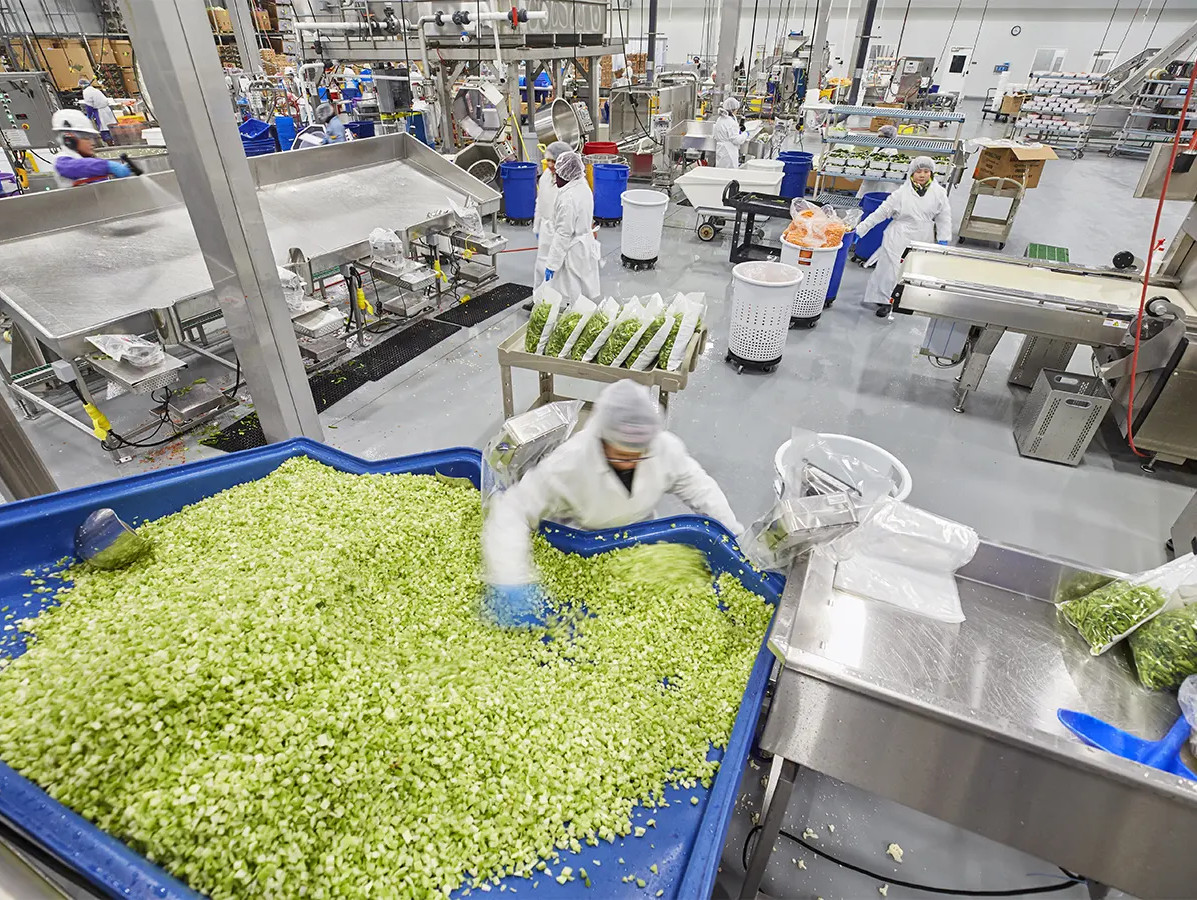
Once the decision has been made to install a resin floor, the specification process becomes critical. The wrong system can easily lead to costly repairs and operational downtime. Understand the key considerations and choose a flooring solution that delivers both performance and value over the long term.
Resin floors are seamless, polymer-based surfaces that are applied in liquid form to a prepared substrate, where they chemically cure into a hard-wearing, durable finish. They are highly versatile, but there is no one-size-fits-all “best” solution. The right specification ensures optimal performance for the intended application. The key to success lies in understanding operational requirements, environmental conditions, and long-term maintenance expectations.
Resin flooring systems are typically based on chemical compounds such as epoxy, polyurethane, polyaspartic, PU cement, and methyl methacrylate. They vary in terms of durability, flexibility, chemical resistance, and curing time. Thin coatings (up to 150 μm) are suitable for light-duty use, while systems thicker than 6 mm are designed for heavy-duty applications.
Lower upfront costs can be misleading. A standard epoxy coating may appear cost-effective at first, but in high-traffic environments it may need replacing within just a few years. A heavy-duty system costs more initially but may last ten years or longer. Crucially, the real costs are not limited to materials alone: downtime for repairs or replacement results in lost productivity, labor inefficiencies, and delayed output—costs that can far exceed the investment in the floor itself.
Usage is one of the most important factors when selecting a floor. A surface subjected to continuous forklift traffic requires a far more robust system than one exposed only to occasional foot traffic. Carefully matching the strength and thickness of the system to operational demands helps prevent premature wear.
Floors in industrial environments are often exposed to aggressive chemicals such as cleaning agents, acids, oils, and solvents. The type, frequency, and temperature of exposure all affect flooring performance. Thinner systems are generally less resistant to chemical attack and thermal shock. For food production and pharmaceutical facilities, selecting a resin with the appropriate chemical resistance is essential.
Temperature ranges from -40°C in cold storage areas to 120°C during steam cleaning are not uncommon. Such wide fluctuations can significantly affect floor performance. Some resin systems, for example, soften at relatively low temperatures, making them vulnerable to damage under load.
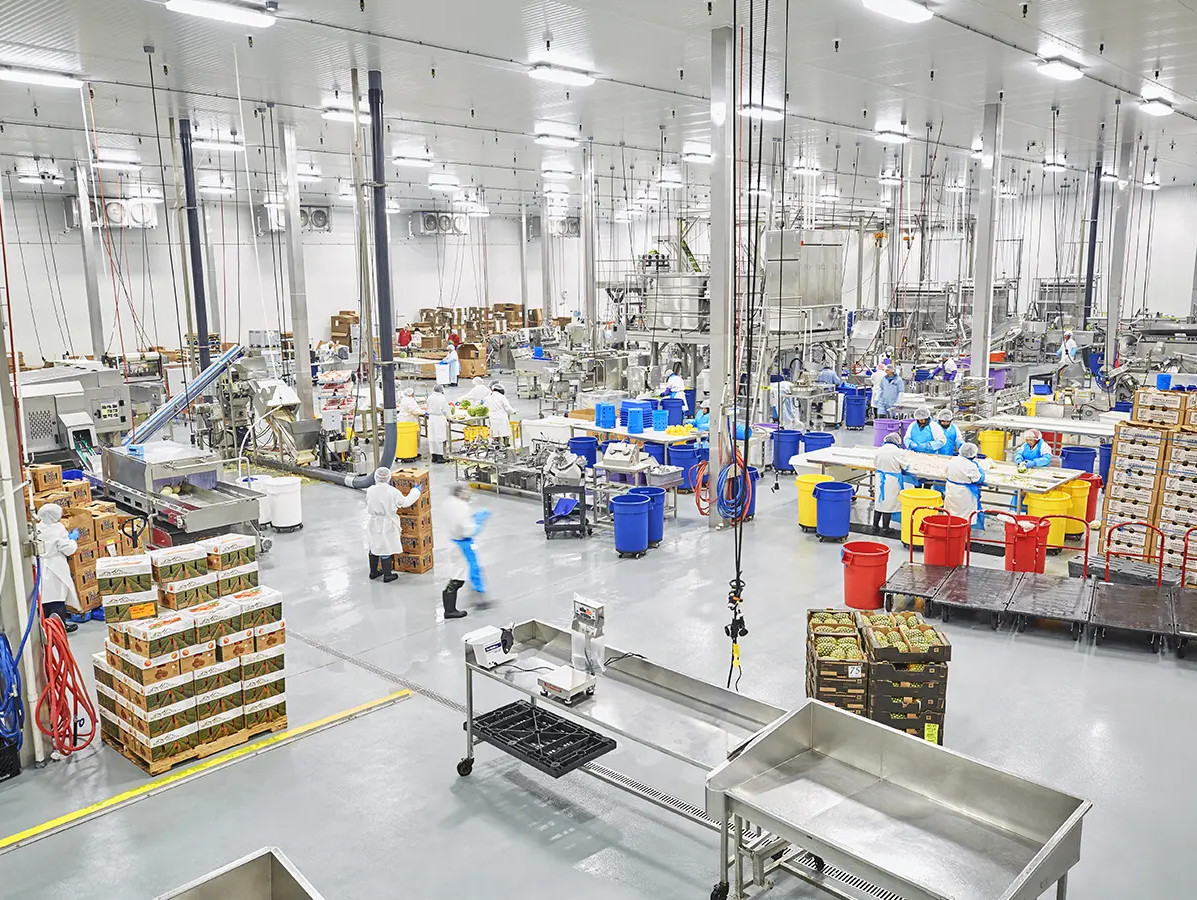
In wet environments, slip resistance is essential for safety. This is typically achieved by incorporating aggregates into the surface to create texture. Slip resistance is measured using the pendulum test, with a recommended minimum Pendulum Test Value (PTV) of 36 in areas that are frequently wet. However, increased surface texture can make cleaning more difficult. The challenge is finding the right balance between safety and hygiene.
Resin floors follow the profile of the underlying substrate. Any defects, such as cracks, pitting, or uneven areas, will affect the final finish and performance. Where the substrate is in poor condition, a screed may be required to create a smooth, level base. Proper preparation is therefore essential to ensure durability and appearance.
Moisture within the substrate can lead to coating failure, particularly in older buildings without an effective damp-proof membrane (DPM). If moisture is not addressed, issues such as blistering and delamination can occur. Where necessary, moisture-tolerant systems or surface-applied DPMs should be included in the specification to prevent future problems.
In the food and pharmaceutical industries, floor installation often has to take place within tight shutdown periods. Factors such as curing time, odor, dust control, and contamination risk are critical. In some cases, it is preferable to install a more durable system during a planned shutdown rather than face repeated short closures for maintenance.
Some operating environments place additional demands on flooring performance. The electronics industry, for example, may require electrostatic dissipative (ESD) systems, food production facilities need hygienic, impermeable surfaces, and pharmaceutical facilities must comply with Good Manufacturing Practice (GMP) standards. These requirements should be incorporated into the specification from the outset to ensure regulatory compliance and the level of performance expected from the floor.
One thing is clear: the most cost-effective choice is not necessarily the cheapest option at first glance, but the system that delivers the best performance throughout its service life. By taking a comprehensive approach to specification, companies can avoid costly mistakes. Make sure the floor supports operations fully rather than becoming an obstacle.
Source: Vakblad Voedingsindustrie 2026
Magazine Voedingsindustrie has been made possible in part by:



© COPYRIGHT 2026 VOEDINGSINDUSTRIE | ALLE RECHTEN VOORBEHOUDEN
Powered by Wallbrink Crossmedia © 2026