The Dutch fish processing and wholesale sector is in a strong position. Companies source globally and benefit from their strategic location for logistics. Yet the conditions for remaining competitive are changing rapidly. According to ING, this calls for investment in sourcing, technology, and making full use of raw materials. The sector analysis identifies opportunities for businesses and the challenges they face.
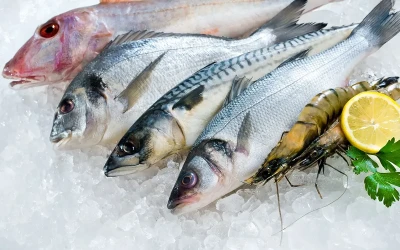
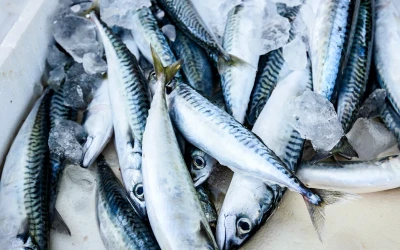
Around 80% of the raw materials used in fish processing and wholesale are imported. Approximately 20% comes from domestic North Sea landings. This means companies can, in principle, switch between countries of origin and suppliers. Price, quality, and trade agreements determine how much flexibility they have. Health certificates also play a role, as do approvals for vessels and production facilities to supply the market.
Geopolitical tensions, sanctions, and import tariffs can quickly redirect trade flows. ING considers diversification across countries, suppliers, fish species, and transport routes essential.
International companies are increasing their share of European processing and distribution. This gives them greater purchasing power, a broader product range, and more capacity to invest. Smaller independent businesses, however, may find it harder to source raw materials. This can happen when producers and traders establish their own European sales channels.
Unpredictable catches and price fluctuations make fixed pricing and supply agreements harder to secure. Retailers are therefore increasingly choosing farmed or frozen products with more predictable supplies. According to the analysis, growth is coming from aquaculture.
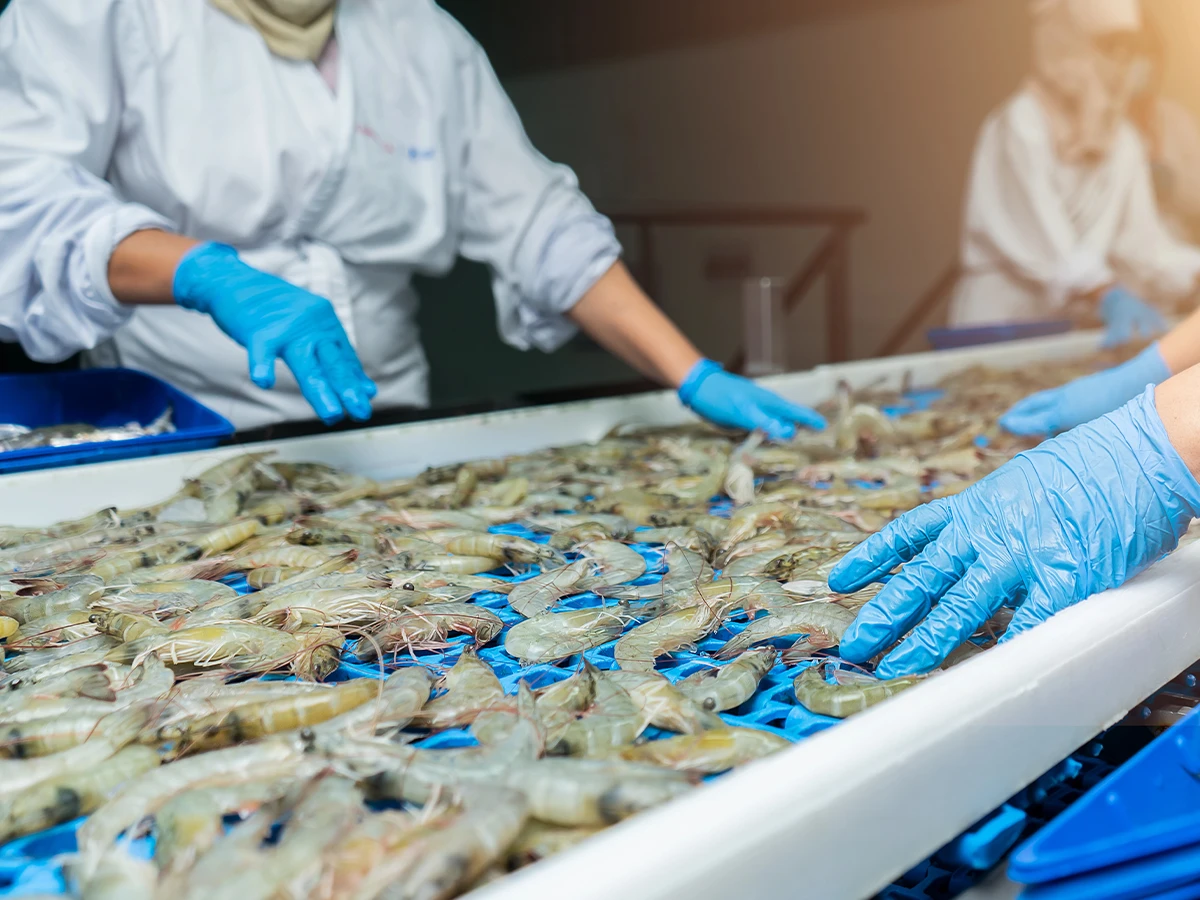
Dutch fish consumption by volume has been declining since 2021. Convenience products, farmed fish, and salmon in particular are gaining importance. Processors add value by portioning, marinating, and breading fish. Byproducts also yield products such as fish oil and pâté made from meat trimmings.
Grid congestion and uncertainty over drinking water availability are limiting business growth. Some companies rely on buffer tanks or generators to keep production running. This increases costs and can slow progress toward more sustainable operations.
Fish processors are investing in refrigeration technology and reusing waste heat within their facilities. The sector is also developing innovations that reduce water use.
Source: ING
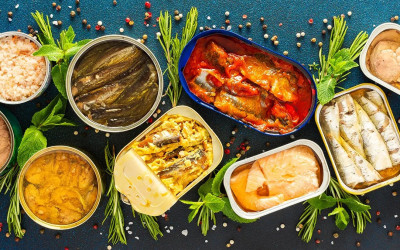
Clear European rules govern origin information for fresh seafood. The situation is different for processed seafood. Producers are not required to provide the same information about species, catch area and fishing method....
Magazine Voedingsindustrie has been made possible in part by:



© COPYRIGHT 2026 VOEDINGSINDUSTRIE | ALLE RECHTEN VOORBEHOUDEN
Powered by Wallbrink Crossmedia © 2026