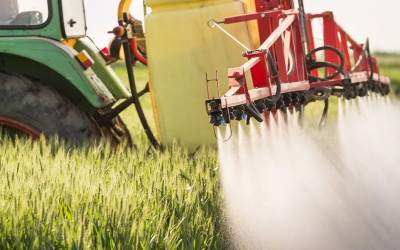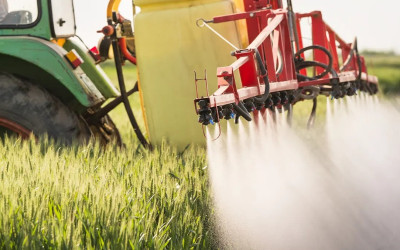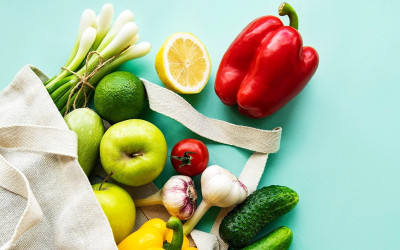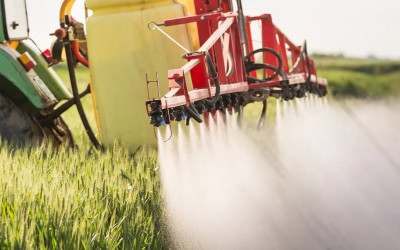
Vegetables, fruit, grains and processed products: the NVWA tested a total of 5,963 samples for pesticides in 2025. The vast majority complied with the legal limits: 97.4%. In one-third, the authority found no pesticides at all. However, residue levels exceeded the legal limit in 2.6%. This had consequences for the businesses involved.
The NVWA collected 2,217 samples at Dutch food businesses. It also collected 3,746 samples at Dutch ports and airports. The authority conducts these checks based on risk. Products that are widely consumed receive particular attention. The same applies to products with a history of more frequent exceedances. The percentages therefore relate to this risk-based sampling.
Pesticide residues are subject to maximum residue limits, known as MRLs. When these limits were exceeded, the NVWA took action to prevent the products from reaching consumers. Businesses had to withdraw the affected products from the market. The authority issued written warnings or imposed administrative fines. Shipments still being held at the border were refused entry.
The NVWA shares the results with EFSA, the RIVM and other European member states. The data supports risk-based monitoring and the setting of new limits.
EFSA and the RIVM also assess potential risks from combinations of residues. They use scientific models to estimate consumers’ total exposure. These assessments draw on the inspection results and other data.
According to the NVWA, these models indicate that total dietary exposure does not currently pose a health risk. If EFSA does identify a health risk, it advises the European Commission to tighten the limits.
Source: NVWA
Magazine Voedingsindustrie has been made possible in part by:



© COPYRIGHT 2026 VOEDINGSINDUSTRIE | ALLE RECHTEN VOORBEHOUDEN
Powered by Wallbrink Crossmedia © 2026