
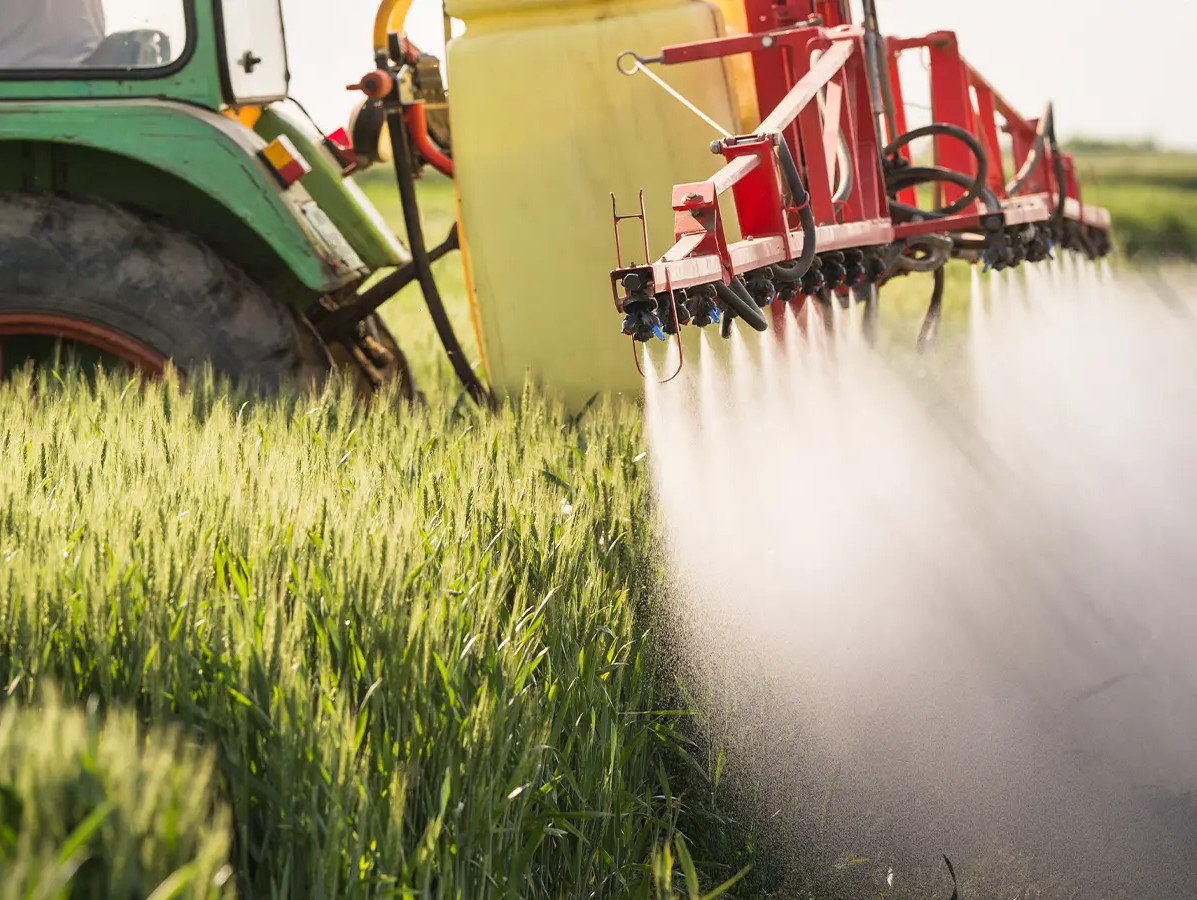
PAN-NL says the covenant on crop protection products has failed. According to the organization, the agreement remains too weak and too vague. Now that the involved civil society organizations have withdrawn, the government must still introduce legal measures.
According to PAN-NL, the covenant contains few concrete agreements. A large part is due to follow later this year in sub-covenants. As a result, the organization says much remains vague and difficult to assess.
PAN-NL states that the covenant does not mention clear bans. The organization points to PFAS pesticides, endocrine-disrupting pesticides and Candidates for Substitution. According to PAN-NL, the agreement mainly revolves around monitoring, reducing emissions and an environmental load points system. The organization considers that insufficient. It points out that compliance with existing rules is already falling short. PAN-NL also says enforcement is complicated.
PAN-NL also criticizes the way measures are determined. According to the organization, measures are delayed because harm must first be scientifically proven. PAN-NL says this conflicts with the European precautionary principle.
In this context, PAN-NL refers to nature reserves, childcare centers and schools. The organization believes pesticides should be kept out of these places. PAN-NL also objects to an assessment ladder for the proportionality of measures.
According to PAN-NL, the covenant fits into a longer series of unmet targets. The organization refers to earlier agreements on virtually zero emissions by 2030. PAN-NL also mentions the policy paper ‘Healthy growth, sustainable harvest’ for 2013-2023.
PAN-NL also says the covenant lacks attention for organic farming. The organization also states that citizens and environmental organizations have insufficient access to data on pesticide use. Finally, PAN-NL criticizes the fact that agricultural parties can withdraw from the agreements if financial compensation is insufficient.
Source: Pesticide Action Network Netherlands
Magazine Voedingsindustrie has been made possible in part by:



© COPYRIGHT 2026 VOEDINGSINDUSTRIE | ALLE RECHTEN VOORBEHOUDEN
Powered by Wallbrink Crossmedia © 2026





