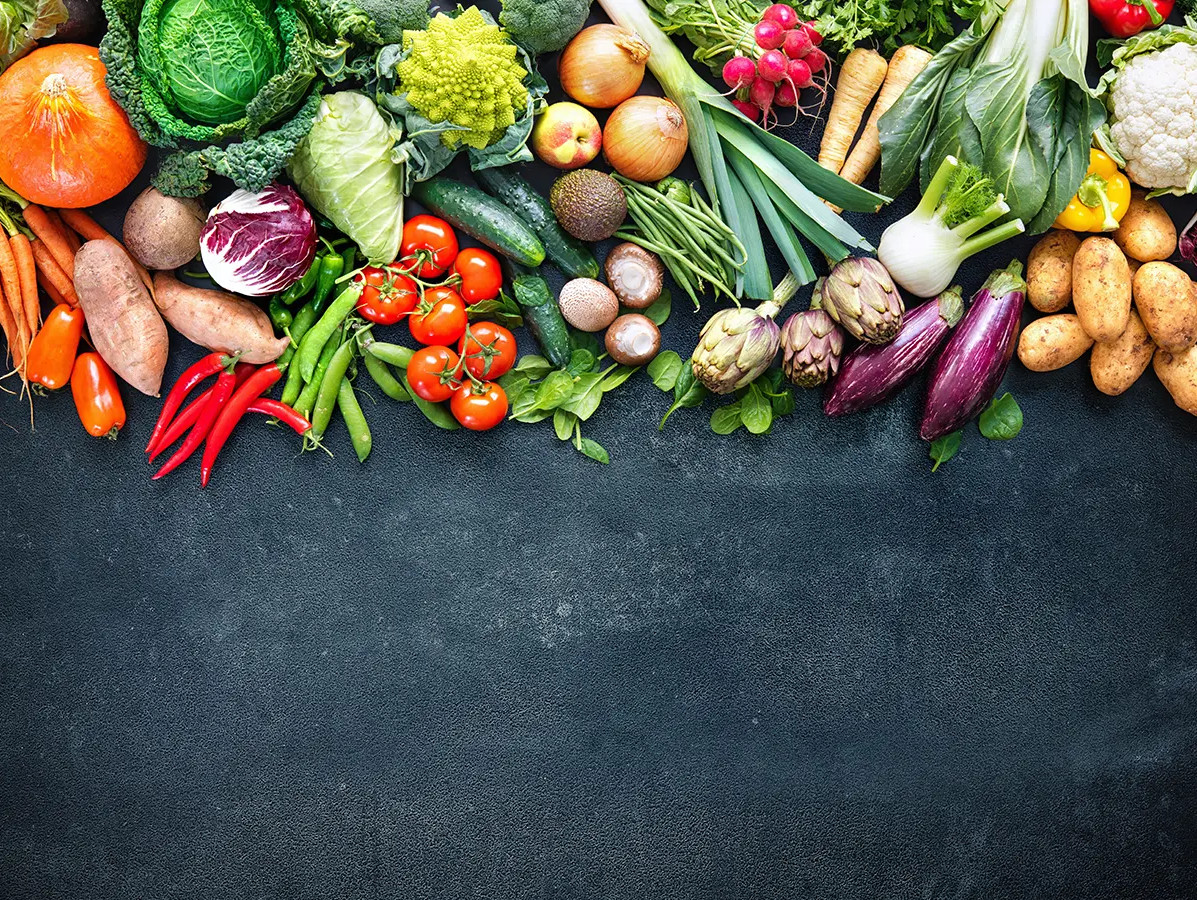
The amount of organic farmland must triple within five years. At the end of 2025, around 5% of farmland was farmed organically. However, the Dutch government’s target for 2030 is 15%. This requires approximately 180,300 additional hectares of organic farmland. Wageningen Social & Economic Research examined two measures that could generate sustained growth in demand. A potential purchasing requirement, in particular, could directly affect purchases of organic raw materials.
The most far-reaching option would establish a gradually increasing minimum share of organic raw materials or products. The requirement could apply to purchasing, processing, or the composition of product assortments. Depending on the selected approach, it would apply to processors, retailers, or both.
The report primarily cites dairy, grains and bread, sugar, and potato products. In these categories, large volumes are concentrated among a small number of processors. Long-term purchasing requirements could therefore provide greater certainty for farmers converting to organic production.
Food companies may need to make adjustments within existing supply chains. These could involve certification, logistics, and administrative systems. Physical blending may also require additional investments. WUR cites segregated storage and processing, as well as traceability.
Foreign organic raw materials could meet the additional demand without expanding organic acreage in the Netherlands. WUR also notes higher costs, additional administrative work, and potential pressure on margins.
The second option is a binding minimum share of organic products in public procurement. This could be phased in from 2027 onward. The standard could cover catering services for the national government, municipal cafeterias, hospitals, schools, and the Dutch Ministry of Defense.
The direct impact on purchasing volumes is likely to remain limited. Public-sector catering accounts for only a small share of total food spending in the Netherlands. The measure could still provide caterers and suppliers with more predictable demand.
The Ministry of Agriculture, Fisheries, Food Security and Nature commissioned the study. The report presents promising options, but no policy has been adopted. Their legal feasibility and precise design still need to be assessed.
EU rules do not permit a requirement for exclusively Dutch organic food. WUR recommends pursuing sector agreements and legislation in parallel. Processors, retailers, and caterers should be involved as the measures are developed further.
Source: report ‘Stimulating demand for organic agricultural products from the Netherlands’
Source: Wageningen Social & Economic Research
Magazine Voedingsindustrie has been made possible in part by:


© COPYRIGHT 2026 VOEDINGSINDUSTRIE | ALLE RECHTEN VOORBEHOUDEN
Powered by Wallbrink Crossmedia © 2026