
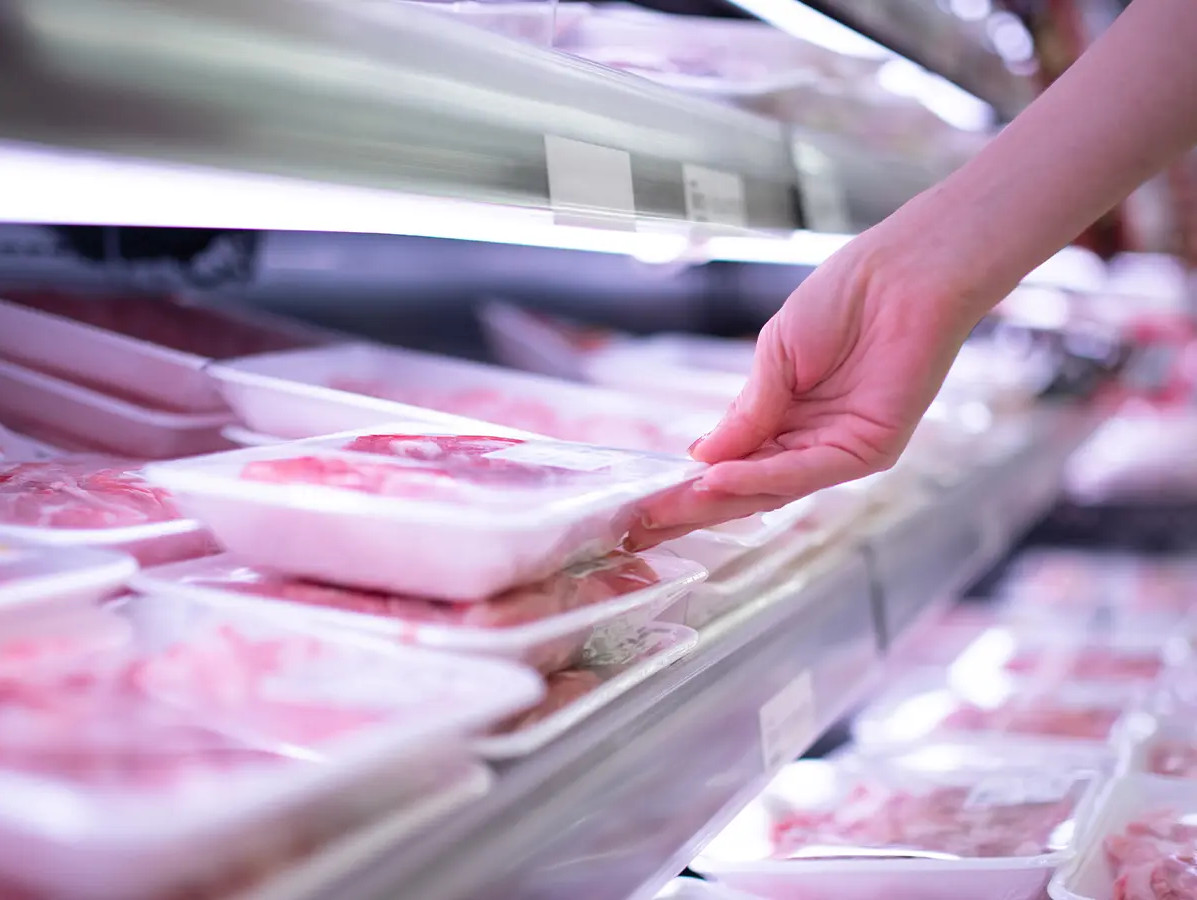
Amsterdam is restricting advertising for hamburgers and other meat products. The decision fits within municipal climate policy but raises questions about effectiveness. According to Ceel Elemans, Food sector specialist at ING, a ban does not lead to lasting behavioral change. “A ban on meat promotion does not work; encouraging alternatives does.” In his view, the protein transition requires a different approach than restrictions.
According to Elemans, the Amsterdam ban on meat promotion mainly falls under symbolic politics. It appears decisive but has little influence on what consumers actually eat. Meat choices are usually made consciously rather than impulsively. That is precisely why the impact of a promotion ban remains limited.
Those who truly want to accelerate the protein transition should focus on knowledge and appeal. Making sustainable alternatives more affordable, accessible, and appealing creates room for behavioral change without resistance. This helps avoid the feeling that something is being taken away from consumers.
According to ING, the debate often overlooks that meat is not inherently an unhealthy product. It provides high-quality protein and essential nutrients. Health risks are mainly linked to the degree of processing, preparation methods, and the quantities consumed.
The solution therefore does not lie in banning products but in creating better choices. Elemans points to smaller portions, in line with guidance from the Voedingscentrum, greater variety, and products that intelligently combine plant-based and animal proteins.
According to ING, producers, supermarkets, and government share responsibility. Investing in clear information and incentives that make more sustainable options attractive works better than restrictive policies. Public campaigns with a positive tone consistently prove more effective than those that lecture consumers.
This is supported by multiple studies and evaluations of Postbus 51 campaigns. The new Wissel ’ns wat campaign by Stichting Week Zonder Vlees, launching in March 2026, aligns with this approach. The campaign encourages variety, sparks curiosity, and invites consumers to try new flavors.
Source: ING
Magazine Voedingsindustrie has been made possible in part by:


© COPYRIGHT 2026 VOEDINGSINDUSTRIE | ALLE RECHTEN VOORBEHOUDEN
Powered by Wallbrink Crossmedia © 2026