
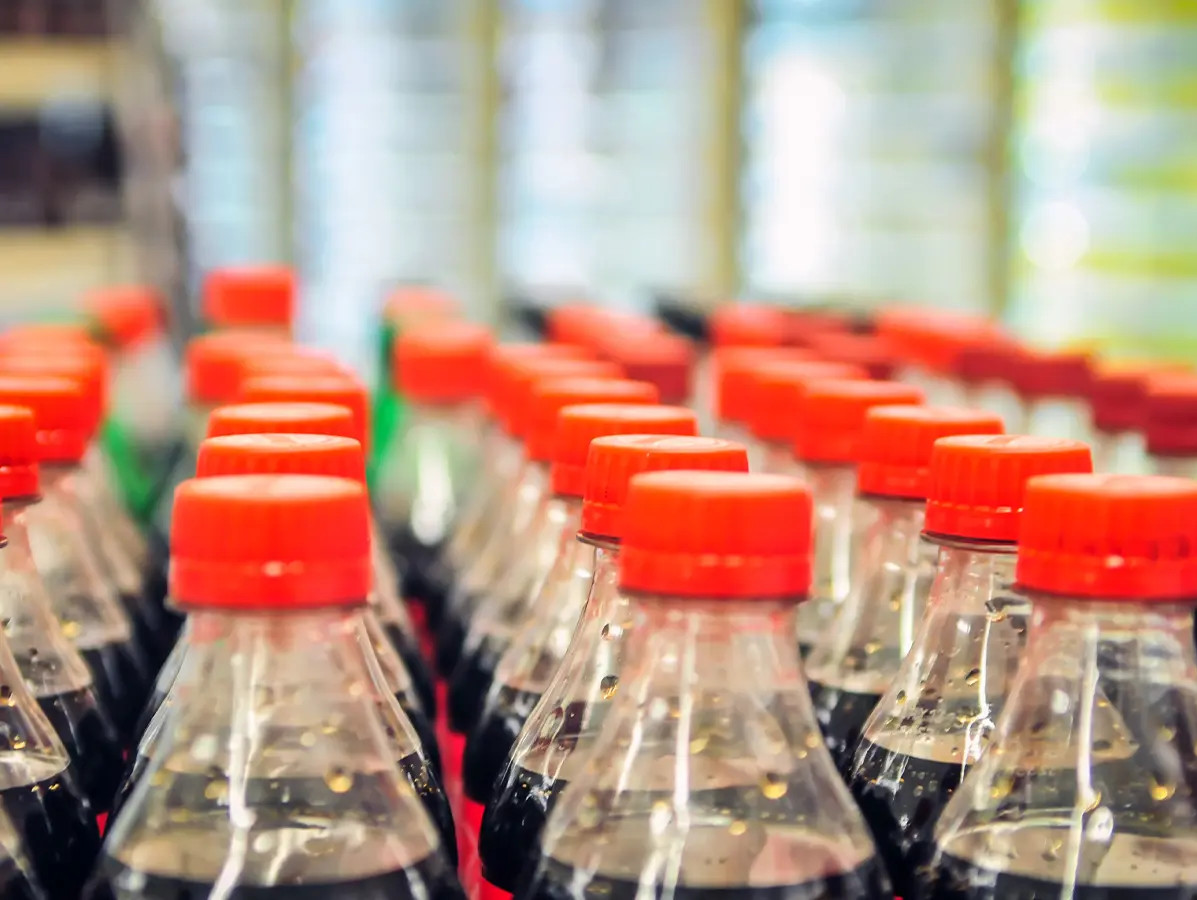
Sugary drinks and alcohol remain relatively affordable in many countries. According to the World Health Organization (WHO), this has direct consequences for public health. In two new reports, the organization urges governments to significantly strengthen taxes on these products. The aim is not only to limit health damage, but also to generate additional revenue for health systems.
The WHO states that weak tax systems contribute to continued consumption of sugary drinks and alcohol. This increases the risk of obesity, diabetes, cardiovascular disease, cancer, and injuries. Children and young adults in particular face higher health risks, according to the organization. At the same time, pressure on health systems is increasing due to diseases that are largely preventable.
“Health taxes are one of the most powerful tools we have to promote health and prevent disease,” says WHO Director-General Dr Tedros Adhanom Ghebreyesus. By increasing taxes on products such as soft drinks, alcohol, and tobacco, governments can reduce harmful consumption and free up funds for essential health care.
The reports show that 116 countries levy a tax on sugary drinks. These taxes often focus primarily on soft drinks. Other sugary products are frequently left out. The WHO mentions, among others, 100% fruit juices, sweetened milk drinks, and ready-to-drink coffee and tea beverages.
According to the organization, tax levels remain limited. On average, sugar taxes account for about two percent of the retail price of a standard soft drink. Energy drinks are taxed in 97 percent of countries, a share that has remained unchanged since the previous report in 2023.
A separate WHO report shows that 167 countries levy taxes on alcoholic beverages. Twelve countries have banned alcohol entirely. Even so, alcohol has become more affordable or remained unchanged in price in most countries since 2022. This is because taxes do not keep pace with inflation and income growth. Wine remains untaxed in at least 25 countries, mainly in Europe.
“More affordable alcohol leads to more violence, more injuries, and more disease,” says Dr Etienne Krug, Director of the WHO Department of Health Determinants, Promotion and Prevention. Globally, the median excise tax share is 14 percent for beer and 22.5 percent for spirits.
The recommendations are part of the so-called 3 by 35 initiative of the WHO. This initiative calls on countries to structurally increase the real prices of three product groups—tobacco, alcohol, and sugary drinks—toward 2035. By raising, broadening, and indexing taxes, the WHO aims to make these products less affordable over time.
Source: WHO
Magazine Voedingsindustrie has been made possible in part by:



© COPYRIGHT 2026 VOEDINGSINDUSTRIE | ALLE RECHTEN VOORBEHOUDEN
Powered by Wallbrink Crossmedia © 2026