
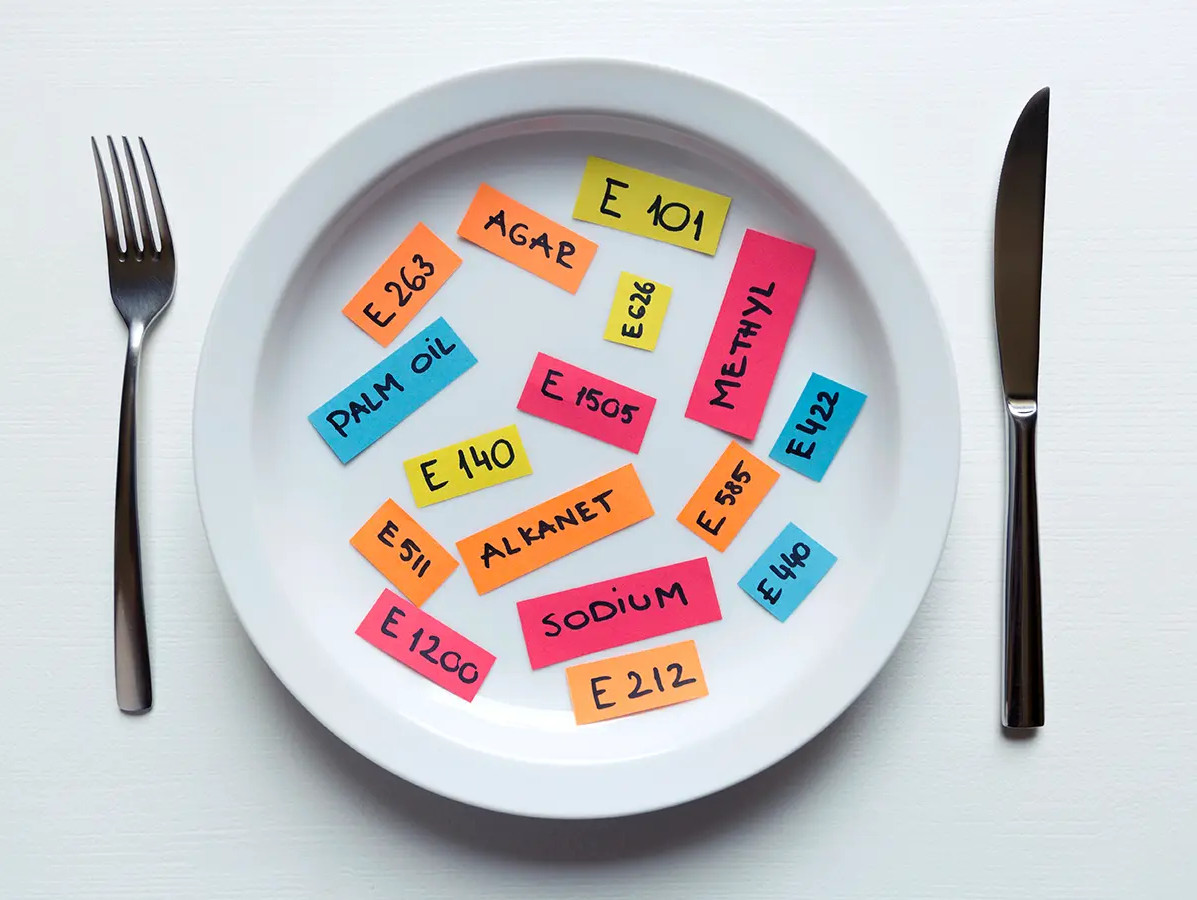
Preservatives are widely used within the food industry. They extend shelf life and limit microbial growth. A new prospective cohort study published in BMJ now shows that higher intakes of several commonly used preservatives are associated with a higher incidence of certain types of cancer. The research is based on long-term, detailed dietary data from more than 100,000 French participants.
The analysis used data from the French NutriNet-Santé cohort study. In total, 105,260 participants were followed who had no cancer at baseline. The average age at enrollment was 42 years, and 78.7% of participants were women. The mean follow-up period was 7.57 years. During this time, 4,226 participants were diagnosed with cancer, including 1,208 breast cancers, 508 prostate cancers, and 352 cases of colorectal cancer.
Preservative intake was assessed using repeated web-based 24-hour dietary records. These were linked to brand-specific product data, multiple composition databases, and additional laboratory analyses. Changes in product formulations over time were taken into account.
No association was found between total preservative intake and cancer incidence. However, the researchers did observe positive associations for several individual preservatives. Higher intakes of non-antioxidant preservatives as a group were associated with a higher incidence of overall cancer and breast cancer.
In addition, associations were found for, among others, sorbates, sulfites, nitrites, nitrates, acetates, and erythorbates. For example, higher sodium nitrite intake was associated with a higher incidence of prostate cancer. Potassium sorbate, potassium nitrate, and sodium erythorbate were associated with both overall cancer and breast cancer. Eleven of the seventeen individually assessed preservatives showed no statistically significant association.
The origin of preservatives varied by compound. Sulfites came mainly from alcoholic beverages (85.4%). Nitrites, nitrates, and erythorbates were primarily derived from processed meat. Overall, 34.6% of preservative intake came from ultra-processed foods.
Nearly all participants consumed preservatives through their diet during the first two years. Only a small number of participants exceeded the acceptable daily intake for sulfites and nitrites as established by EFSA.
The researchers state that these findings, in combination with existing experimental data, justify further epidemiological and experimental research into potential mechanisms of action. If the findings are confirmed, they call for a re-evaluation of regulations governing the use of these additives in the food industry, with consumer protection in mind.
Source: BMJ
Magazine Voedingsindustrie has been made possible in part by:



© COPYRIGHT 2026 VOEDINGSINDUSTRIE | ALLE RECHTEN VOORBEHOUDEN
Powered by Wallbrink Crossmedia © 2026