
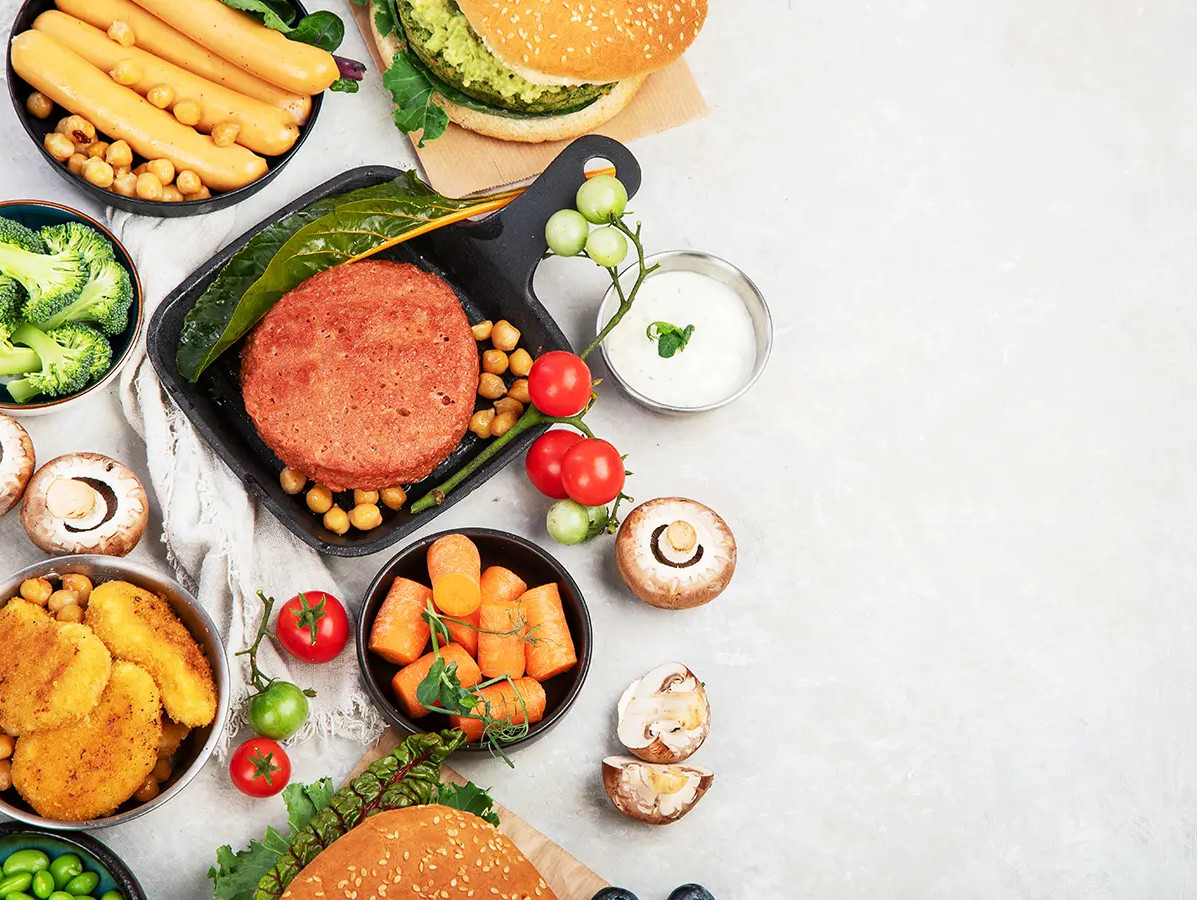
More and more consumers are swapping meat, milk and cheese for plant-based alternatives. Store shelves are packed with them. From oat drinks to vegetarian burgers. But that shift is also raising new questions for producers and regulators. What substances are consumers actually ingesting through these products? RIVM therefore examined the most widely consumed meat and dairy substitutes in the Netherlands. Commissioned by the NVWA, the institute looked at harmful substances that may occur in these products.
Through food, people ingest all kinds of substances every day. Not just nutrients, but harmful substances as well. Some occur naturally in raw materials. Others develop during production processes.
According to RIVM, a diet with fewer animal-based products benefits both climate and health. At the same time, plant-based products can contain different harmful substances than meat, milk and cheese.
The institute therefore mapped which substances occur in ready-made plant-based alternatives. The focus was on products commonly consumed in the Netherlands.
In total, RIVM identified 33 substances and substance groups. These include heavy metals and mycotoxins, for example. Many of these substances are also found in animal-based products.
RIVM considers additional research important for twelve substances or substance groups. This should clarify whether consumers may ingest excessive amounts of these substances when replacing animal-based products.
For ten substances, an assessment was not yet possible. According to the institute, insufficient information is currently available.
RIVM was able to assess two substances: cadmium and lead. That analysis shows plant-based alternatives contribute only to a limited extent to the total amount of cadmium and lead consumers ingest through food.
The study focused solely on substances people may ingest in higher amounts when following a more plant-based diet. Substances consumers may actually ingest less of were not included in the assessment.
Source: RIVM
Magazine Voedingsindustrie has been made possible in part by:



© COPYRIGHT 2026 VOEDINGSINDUSTRIE | ALLE RECHTEN VOORBEHOUDEN
Powered by Wallbrink Crossmedia © 2026