
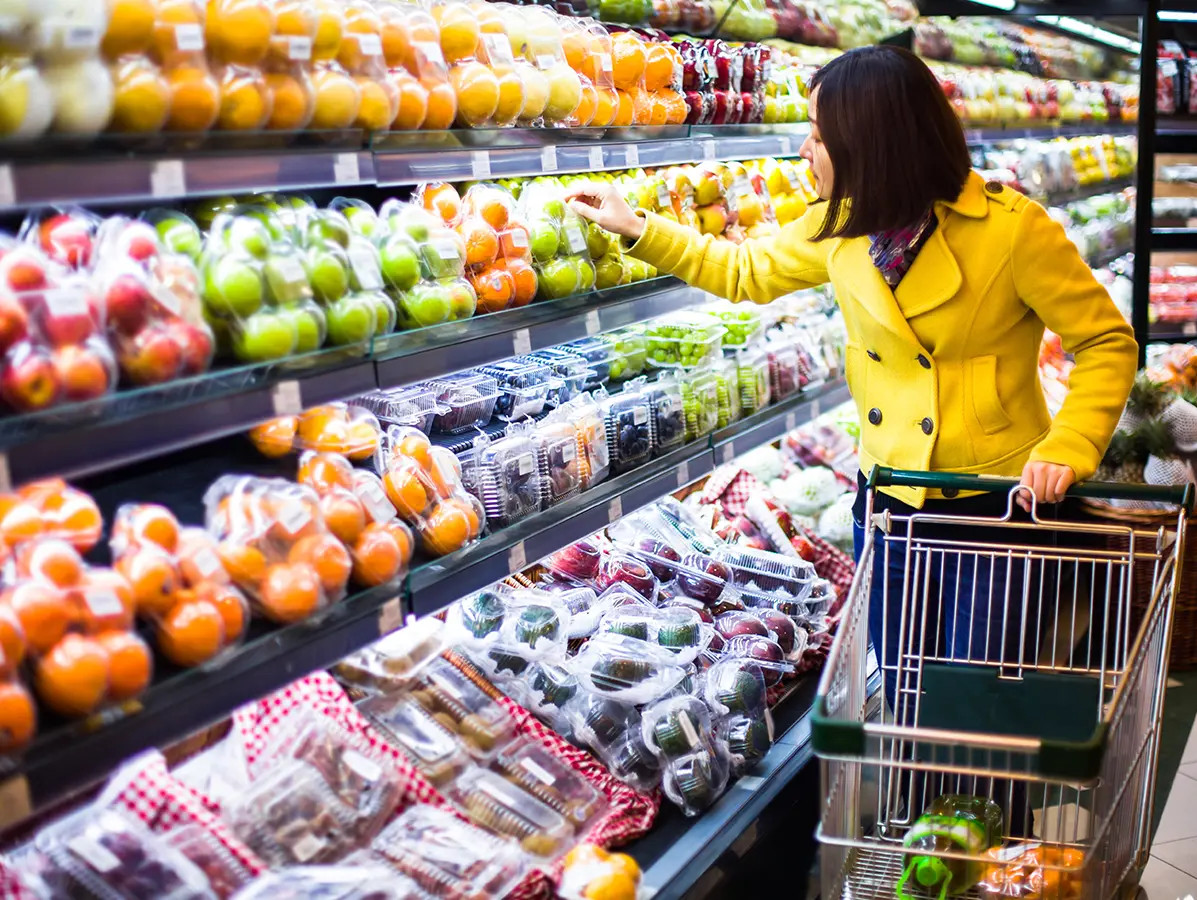
Pressure on the packaging chain continues to increase. Retailers, manufacturers, and packaging companies are looking for more sustainable alternatives, while European regulations keep tightening. At the same time, the transition to biobased packaging is proving less straightforward than often assumed. New materials regularly clash with existing recycling and waste systems.
That is one of the conclusions in the new Route and Opportunity Map ‘Acceptance of biobased packaging in Dutch retail’ by TKI Agri&Food and Wageningen Research. According to the researchers, large-scale adoption of biobased packaging remains complicated for now due to regulations, infrastructure, and differences across the supply chain.
According to the report, the European Packaging and Packaging Waste Regulation is putting increasing pressure on the market. Packaging must be demonstrably suitable for high-quality recycling. In practice, this may push companies toward conventional plastics, as these materials already fit well within existing sorting and recycling systems. Biobased materials do not always align with those systems. And according to the researchers, that is exactly where tension arises within the chain.
Compostable packaging is also running into limitations. The Circulair Materialen Plan does not allow certified compostable packaging to be processed through organic waste collection systems. There is also no formal, large-scale processing route available for these materials. As a result, the sector is facing a complicated playing field. What may seem like a sustainable solution for one party can create additional complexity elsewhere in the chain.
To speed up the acceptance of biobased packaging, the report outlines six different routes. These include application-focused research, technological scale-up, packaging redesign, and system transformation.
Consumer behavior also receives significant attention. According to the researchers, terms such as biobased, compostable, and recyclable are still frequently confused. That leads to incorrectly sorted waste, causing contamination in material streams.
For the study, Wageningen Research spoke with several industry associations and supply chain parties, including FNLI, Verpact, Holland Bioplastics, NRK Verpakkingen, and DS Smith.
Source: TKI Agri&Food
Magazine Voedingsindustrie has been made possible in part by:



© COPYRIGHT 2026 VOEDINGSINDUSTRIE | ALLE RECHTEN VOORBEHOUDEN
Powered by Wallbrink Crossmedia © 2026