Food and consumer research often takes place in a laboratory. That setting barely resembles the places where consumers buy food or sample products. As a result, it remains difficult to measure the role context plays in food choices. Researchers at Wageningen University & Research therefore turned to virtual reality. Using a VR headset, they immersed participants in a virtual supermarket and wheat fields to investigate how that environment influences the perception of bread.
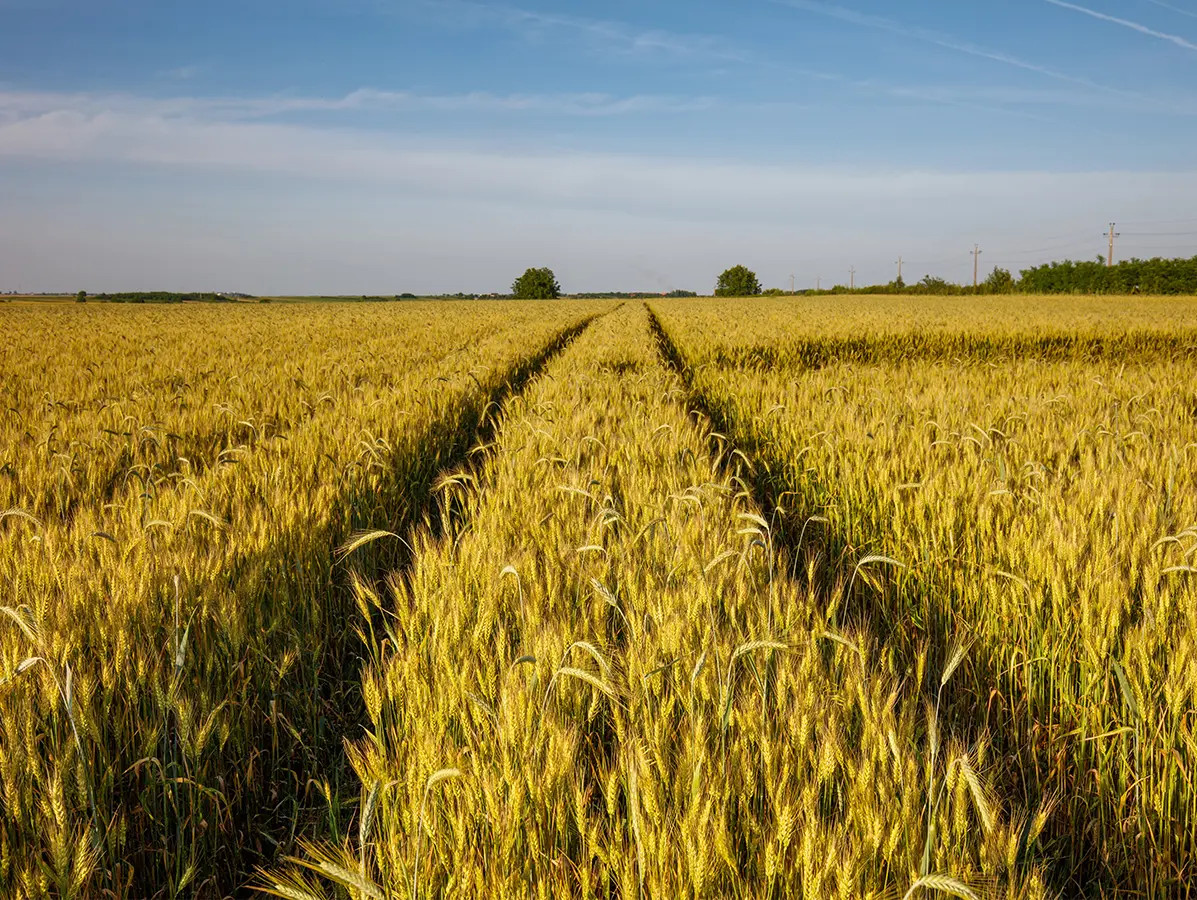
For the study, WANDER XR Experience Lab developed two virtual wheat fields. Using a VR headset, participants visited both a monoculture field and a strip-cropping field. Birds and insects could be heard in the strip-cropping environment. The monoculture field, by contrast, was almost completely silent.
The experiment started in a virtual supermarket. There, participants received information about bread production. They then answered questions about the bread’s healthiness, environmental impact, and purchase intent. At the same time, researchers recorded their heart rate, skin conductance, and facial expressions.
Participants were then virtually transported to a wheat field. After the visit, they sampled another piece of bread. They were told the bread came from the farming method they had just visited.
According to researcher Liam Dwyer, the VR environment clearly influenced participants. “Compared to their earlier responses, participants showed a higher heart rate and sweat response when tasting the piece of bread after the VR experience.”
Questionnaires also showed that participants felt strongly immersed in the virtual environment. Researcher Anke Janssen commented: “With this research, we want to identify which consumer stimuli encourage or discourage the purchase of more sustainable food products.”
According to the researchers, virtual reality offers new opportunities for consumer research. The VR headset contains sensors that measure pupil size and viewing behavior, among other things. This allows researchers to track exactly where participants are looking.
Thomas Ginn of WANDER XR Experience Lab emphasized that a perfect virtual environment is not essential. “Compared to a 2D image on a screen, VR strongly helps participants feel like they are in a different environment.”
Source: Resource Online
Magazine Voedingsindustrie has been made possible in part by:



© COPYRIGHT 2026 VOEDINGSINDUSTRIE | ALLE RECHTEN VOORBEHOUDEN
Powered by Wallbrink Crossmedia © 2026