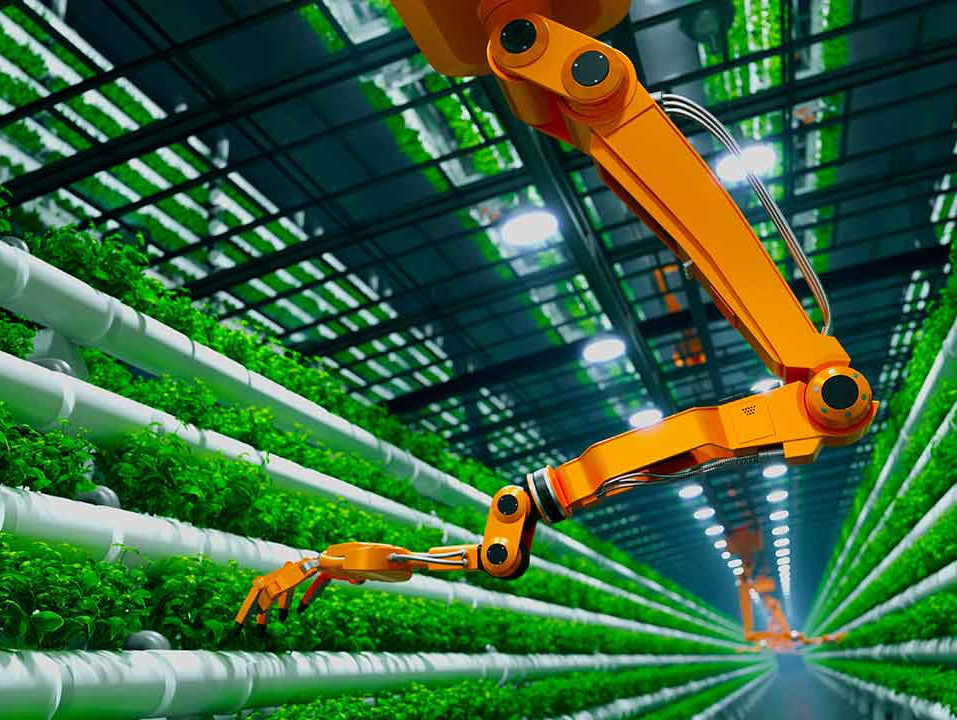
Vertical farming took a serious hit during the energy crisis, but signs of recovery are emerging. In Amsterdam, Growy demonstrates a more resilient model. Using self-developed technology and strict cost control, the company supplies leafy greens to hundreds of restaurants and around 25 supermarkets.
Growy operates 48 cultivation rooms using red and blue LED lighting at a stable temperature of 24°C. Red light strengthens the plant, blue light enhances flavour. Co-founder Ard van Kreeke stresses that technology is a tool, not the goal. His daughter Laura manages the farm remotely. “Everyone here is a farmer,” she says.
The sector boomed during the era of low interest rates, but collapsed when energy prices soared. Investment dropped by 91% in 2023. Several high-profile companies like Infarm and AeroFarms went bankrupt. The key problems? Unsustainable models, underestimating capital needs, and rising costs. Growy took another route. Their in-house technology is 80% cheaper per square meter than the market average.
Professor Leo Marcelis of Wageningen University points to real advantages: less land and water usage, minimal pesticides, and short supply chains. But electricity remains a major concern. Without renewable energy, the environmental footprint grows.
Bart Kuiter from AMS Institute expects further development. Vertical farms are well-suited to cities and hard-to-farm regions. In the Netherlands, supportive regulations and targeted subsidies are crucial. Retailers can also help by committing to consistent quality sourcing.
Vertical farming won’t solve global hunger. Crops like wheat and potatoes are not economically viable in these systems. But for fresh greens, herbs and microgreens, the potential is clear. Hybrid models are also promising: seedling cultivation indoors, followed by growth in greenhouses.
Growy is now expanding abroad. The company recently acquired a failed competitor in Singapore and is targeting markets like Switzerland, Scandinavia, Canada and the US. New crops like strawberries and mushrooms are also in development.
As Ard van Kreeke puts it: “I’m still a farmer. If you can’t sell it, it’s worthless.”
Read the entire article on: change.inc
Source: ChangeInc
Magazine Voedingsindustrie has been made possible in part by:



© COPYRIGHT 2026 VOEDINGSINDUSTRIE | ALLE RECHTEN VOORBEHOUDEN
Powered by Wallbrink Crossmedia © 2026